THE ADVENTURE COLLECTIVE® · Independent discovery and booking for outdoor travel

Climb Sigiriya’s dramatic rock fortress and move into the painted caverns of Dambulla on a single, full day from Kandy. This route pairs a panoramic summit ascent with centuries-old Buddhist art and a sensory visit to a working spice garden.
Climb Sigiriya’s dramatic rock fortress and move into the painted caverns of Dambulla on a single, full day from Kandy. This route pairs a panoramic summit ascent with centuries-old Buddhist art and a sensory visit to a working spice garden.
You leave Kandy before sunrise, the van threading through tea-scarred hills until the hills flatten and a lone granite column appears on the horizon: Sigiriya. From the road it looks improbable — a vertical crown rising nearly 200 meters from the central plains — and by the time you park in the village the air smells of earth, spice, and diesel. The walk to the rock is a ribbon of villages and fields; the climb itself switches from shady gardens to metal stairways and the sudden exposure of the final scramble, where wind and view do the work of telling you why people have contested this place for 1,500 years.
Verified experiences and guided adventures in the surrounding area.
Operated by Roselanka Travels · Sigiriya, Central Province
You leave Kandy before sunrise, the van threading through tea-scarred hills until the hills flatten and a lone granite column appears on the horizon: Sigiriya. From the road it looks improbable — a vertical crown rising nearly 200 meters from the central plains — and by the time you park in the village the air smells of earth, spice, and diesel. The walk to the rock is a ribbon of villages and fields; the climb itself switches from shady gardens to metal stairways and the sudden exposure of the final scramble, where wind and view do the work of telling you why people have contested this place for 1,500 years.
Sigiriya was raised into legend by King Kashyapa in the 5th century AD as both palace and stronghold. Geologically it’s an erosional remnant — a harder igneous core resisting the slow wearing of the surrounding plateau — which is why the rock towers so abruptly and affords those cathedral-like panoramas. Halfway up, frescoes painted on sheltered ledges offer human color against stone; at the summit, the ruined terrace and the collapsed lion gateway speak to the fusion of architecture, defense and spectacle.
A short drive brings you to Dambulla Cave Temple, where five caverns over centuries became a painted sanctuary. More than 150 statues of the Buddha and expansive murals record the island’s Buddhist devotion from the first century BCE onward. The cool, dim caverns demand slower movement; here the detailed faces carved into stone feel like witnesses.
The day often includes a spice garden visit — a bright, hands-on counterpoint: cinnamon bark being flayed, cardamom pods bright and green, and a tasting of black tea and jaggery to finish. Together these stops stitch history, geology and everyday rural life into a compact, visceral day.
Practical details: expect a full day — plan on 8–10 hours including driving. From central Kandy the road time is typically 90–120 minutes to the Sigiriya area depending on traffic. The ascent to Sigiriya’s summit involves roughly 1,000–1,200 steps and 200 meters of vertical gain; allow 45–90 minutes round-trip for the climb if you like to stop for photos. Bring a passport or ID for ticket purchases at both sites, carry at least 1–2 liters of water, and wear closed shoes with good traction. The tour often includes an air-conditioned vehicle, bottled water and an English-speaking guide, but admission fees are typically not included.
Timing matters: start early to avoid midday heat and peak crowds at Sigiriya and Dambulla. Be prepared for sudden tropical showers outside the drier months, and show respect at religious sites — shoulders and knees should be covered and footwear left at cave entrances. With modest fitness and a sense of curiosity, this day delivers one of Sri Lanka’s sharpest slices of landscape, history and living culture.
moderate.
8–10 hours.
Moderate—comfortable walking, ability to climb ~1,000 steps at a steady pace
Allow 45–90 minutes round-trip depending on fitness level and how often you stop for photos; there are roughly 1,000–1,200 steps and some exposed stair sections.
Admission to Sigiriya and Dambulla is typically not included in this tour price; bring cash or a card and your ID to purchase tickets onsite.
The Dambulla caves are accessible with short climbs but Sigiriya’s metal stairways and number of steps make the summit challenging for very young children or those with mobility limitations.
Dress modestly: cover shoulders and knees. You will remove footwear before entering cave sanctuaries.
Many itineraries include bottled water and some meals; confirm inclusions when booking. Carry snacks if you have specific dietary needs.
Road travel time from Kandy is usually 90–120 minutes depending on traffic and route; the tour typically departs early to make the most of the day.
Sigiriya was converted into a royal citadel by King Kashyapa in the 5th century AD; Dambulla’s caves have been a monastic complex since at least the 1st century BCE.
Both sites are UNESCO-listed and visitor management helps protect fragile frescoes and cave interiors; stick to paths, avoid touching murals and dispose of waste responsibly.
Roselanka Travels operates guided outdoor trips and adventures with an emphasis on safety, stewardship, and memorable experiences.
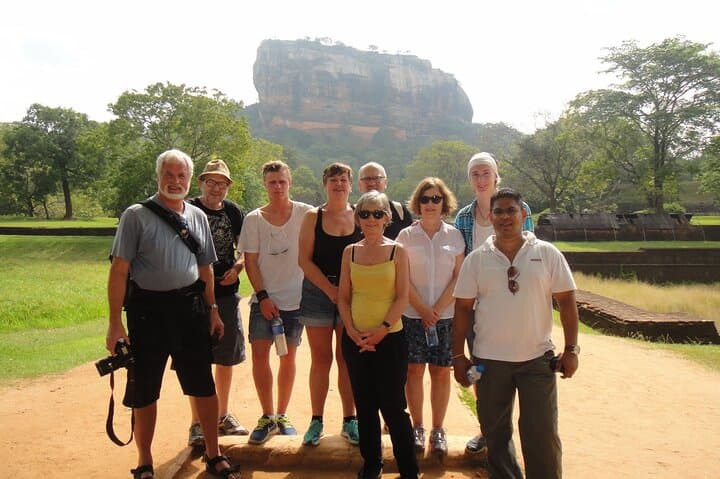
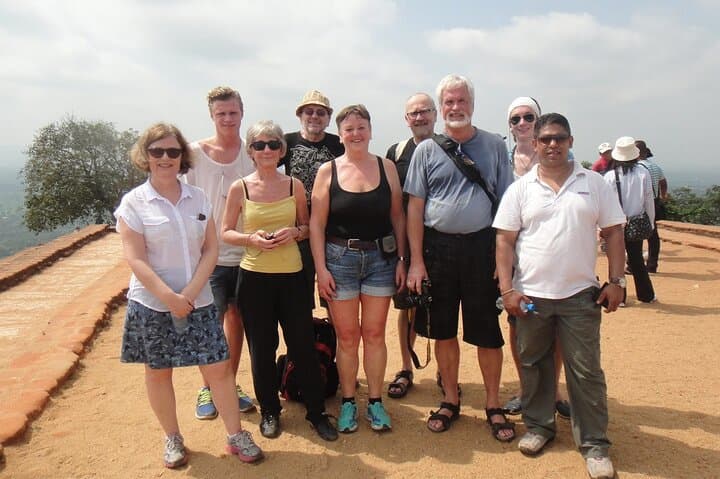
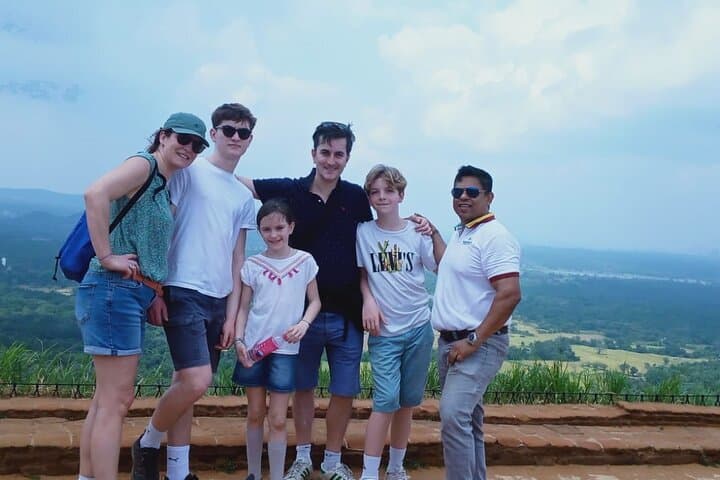
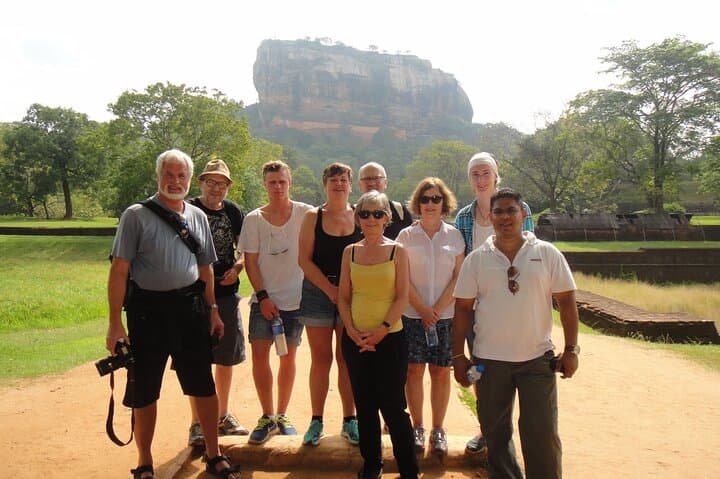
You leave Kandy before sunrise, the van threading through tea-scarred hills until the hills flatten and a lone granite column appears on the horizon: Sigiriya. From the road it looks improbable — a vertical crown rising nearly 200 meters from the central plains — and by the time you park in the village the air smells of earth, spice, and diesel. The walk to the rock is a ribbon of villages and fields; the climb itself switches from shady gardens to metal stairways and the sudden exposure of the final scramble, where wind and view do the work of telling you why people have contested this place for 1,500 years.
You leave Kandy before sunrise, the van threading through tea-scarred hills until the hills flatten and a lone granite column appears on the horizon: Sigiriya. From the road it looks improbable — a vertical crown rising nearly 200 meters from the central plains — and by the time you park in the village the air smells of earth, spice, and diesel. The walk to the rock is a ribbon of villages and fields; the climb itself switches from shady gardens to metal stairways and the sudden exposure of the final scramble, where wind and view do the work of telling you why people have contested this place for 1,500 years.
Sigiriya was raised into legend by King Kashyapa in the 5th century AD as both palace and stronghold. Geologically it’s an erosional remnant — a harder igneous core resisting the slow wearing of the surrounding plateau — which is why the rock towers so abruptly and affords those cathedral-like panoramas. Halfway up, frescoes painted on sheltered ledges offer human color against stone; at the summit, the ruined terrace and the collapsed lion gateway speak to the fusion of architecture, defense and spectacle.
A short drive brings you to Dambulla Cave Temple, where five caverns over centuries became a painted sanctuary. More than 150 statues of the Buddha and expansive murals record the island’s Buddhist devotion from the first century BCE onward. The cool, dim caverns demand slower movement; here the detailed faces carved into stone feel like witnesses.
The day often includes a spice garden visit — a bright, hands-on counterpoint: cinnamon bark being flayed, cardamom pods bright and green, and a tasting of black tea and jaggery to finish. Together these stops stitch history, geology and everyday rural life into a compact, visceral day.
Practical details: expect a full day — plan on 8–10 hours including driving. From central Kandy the road time is typically 90–120 minutes to the Sigiriya area depending on traffic. The ascent to Sigiriya’s summit involves roughly 1,000–1,200 steps and 200 meters of vertical gain; allow 45–90 minutes round-trip for the climb if you like to stop for photos. Bring a passport or ID for ticket purchases at both sites, carry at least 1–2 liters of water, and wear closed shoes with good traction. The tour often includes an air-conditioned vehicle, bottled water and an English-speaking guide, but admission fees are typically not included.
Timing matters: start early to avoid midday heat and peak crowds at Sigiriya and Dambulla. Be prepared for sudden tropical showers outside the drier months, and show respect at religious sites — shoulders and knees should be covered and footwear left at cave entrances. With modest fitness and a sense of curiosity, this day delivers one of Sri Lanka’s sharpest slices of landscape, history and living culture.