THE ADVENTURE COLLECTIVE® · Independent discovery and booking for outdoor travel

A concentrated two-day circuit through Sri Lanka’s Cultural Triangle: cave temples, a royal rock fortress, and a blockbuster elephant safari at Minneriya. Early starts, long drives, and huge rewards—this private, all-inclusive tour packages history and wildlife into one compact experience.
A concentrated two-day circuit through Sri Lanka’s Cultural Triangle: cave temples, a royal rock fortress, and a blockbuster elephant safari at Minneriya. Early starts, long drives, and huge rewards—this private, all-inclusive tour packages history and wildlife into one compact experience.
Before dawn the minivan eases out of the coastal towns and the road unspools toward the island’s dry heart. By the time tea stalls close and temples smoke into the morning air, you’re in a different Sri Lanka: flat paddy plains interrupted by sudden granite sentinels. One of those rocks—Sigiriya—rises like a carved island above the fields; the other great attraction, Dambulla, hides painted caves where centuries of worship press close to the stone. Between them, Minneriya Reservoir calls the island’s largest land mammals to its margins, and a safari here can feel less like observation and more like arriving at a scheduled performance.
Verified experiences and guided adventures in the surrounding area.
Operated by Bentota Travel Mart · Sigiriya, Central Province
Before dawn the minivan eases out of the coastal towns and the road unspools toward the island’s dry heart. By the time tea stalls close and temples smoke into the morning air, you’re in a different Sri Lanka: flat paddy plains interrupted by sudden granite sentinels. One of those rocks—Sigiriya—rises like a carved island above the fields; the other great attraction, Dambulla, hides painted caves where centuries of worship press close to the stone. Between them, Minneriya Reservoir calls the island’s largest land mammals to its margins, and a safari here can feel less like observation and more like arriving at a scheduled performance.
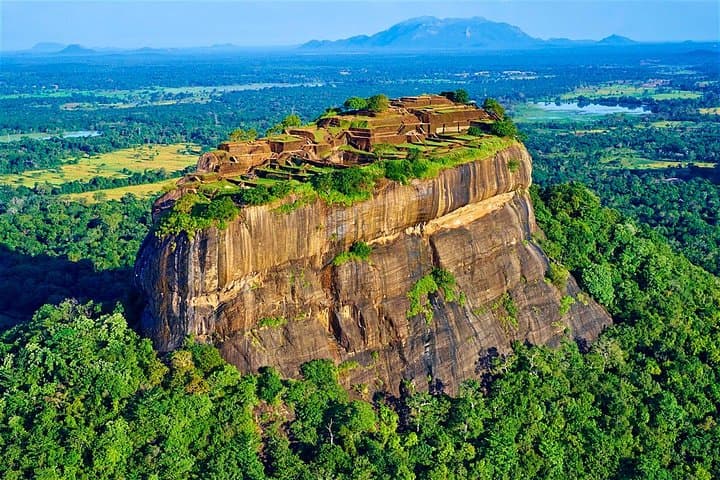
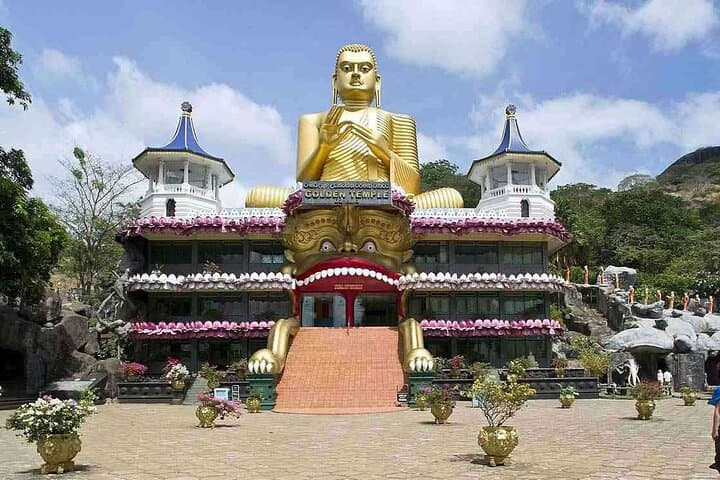
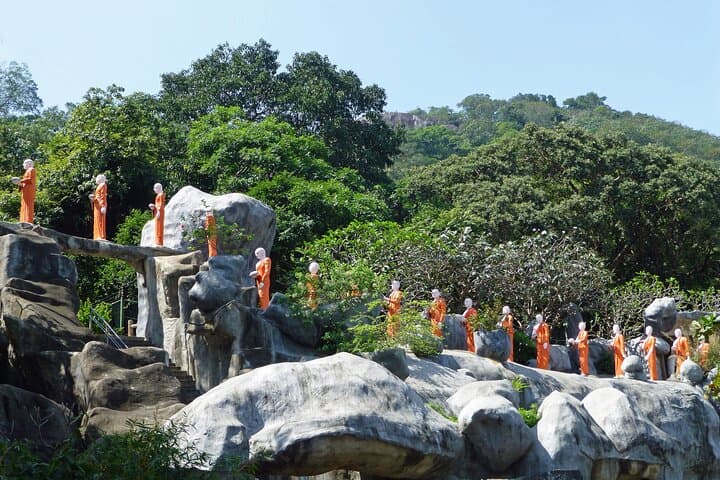
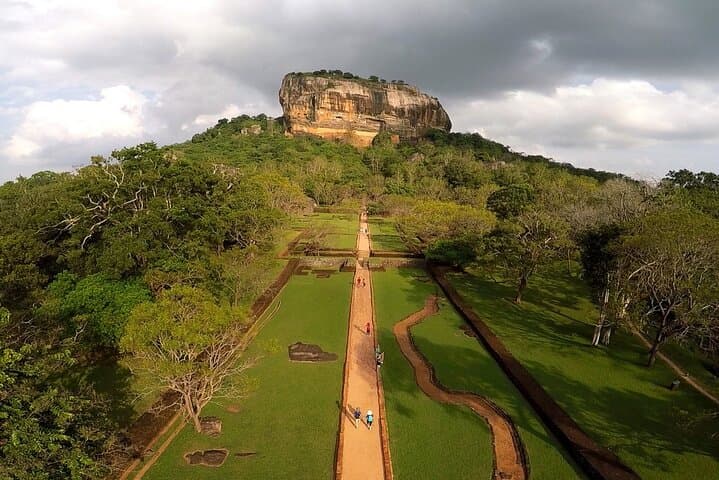
The two-day itinerary pairs cultural heavyweights with a wildlife crescendo. Day one moves from the Dambulla Cave Temple—its painted murals and 153 Buddha statues folded into five caverns—into a traditional village lunch, then onto a three-hour jeep safari on the Minneriya plains. Day two is dedicated to Sigiriya Rock Fortress, the 5th-century citadel known for its mirror wall, lion’s paws, and the dizzying climb to palace terraces roughly 200 meters above the floodplain. Stops at a local herbal garden and a wood-carving center add craft and context.
Geologically, these outcrops are Precambrian gneiss and granite, ancient cores that resisted erosion while the surrounding plain wore down over millennia. Culturally, Sigiriya is both a royal project and a landscape of symbolic power—King Kasyapa’s 5th-century plan reconfigured water, garden, and stone into a defensive and aesthetic complex. Dambulla’s caves preserve continuous Buddhist practice stretching back more than 2,000 years.
Practicalities matter here: the tour starts at 5:00 a.m. to beat heat and traffic—expect a 4–5 hour transfer from Colombo or the southern beaches if you’re picked up in Bentota or Mirissa. The Sigiriya climb involves roughly 1,000–1,200 steps and exposed metal stairways; allow 2–3 hours for the ascent, time at the summit, and descent. Minneriya safaris typically run 2–3 hours in a dedicated jeep—this is where elephant-viewing windows open, especially in the dry season (July–September).
Bring sturdy walking shoes, sun protection, and a refillable water bottle; insect repellent is useful in the early morning and around water. Wear light, respectful clothing for temple visits and carry small change for local guides and handicraft stalls. If you’re chasing photography, aim for sunrise on the plains and late afternoon at Sigiriya for layered light on the rock and the reservoir. Finally, treat wildlife sightings responsibly: keep distance, don’t feed animals, and follow your guide’s instructions so these gatherings stay wild for years to come.
moderate.
2 days.
Moderate fitness—able to climb stairs for up to 2–3 hours and tolerate full days of travel.
Pick-up begins at 5:00 a.m.; the operator offers hotel pick-up from Mirissa, Weligama, Ahangama, Koggala, Unawatuna, Galle and many coastal and Colombo-area hotels—confirm your pickup point when booking.
Expect about 1,000–1,200 steps and exposed sections; allow 2–3 hours round-trip and wear shoes with good traction.
The dry season, typically July to September, concentrates herds around the reservoir—early morning and late afternoon safaris maximize sightings.
Yes—this all-inclusive package covers transport, accommodation, entry fees to sites, lunch/dinner on day one, and breakfast/lunch on day two.
Children are welcome but the operator notes the trip is not recommended for pregnant travelers; infant seats are available on request.
Yes—professional site guides are included for Sigiriya and Dambulla and add historical context that enriches the visit.
Sigiriya and Dambulla sit at the heart of Sri Lanka’s Cultural Triangle: Sigiriya was King Kasyapa’s 5th-century citadel while Dambulla’s caves preserve Buddhist worship spanning over two millennia.
Minneriya’s elephant gatherings are vulnerable to habitat change; responsible operators avoid feeding, keep safe viewing distances, and support local conservation through park fees.
Bentota Travel Mart operates guided outdoor trips and adventures with an emphasis on safety, stewardship, and memorable experiences.
Before dawn the minivan eases out of the coastal towns and the road unspools toward the island’s dry heart. By the time tea stalls close and temples smoke into the morning air, you’re in a different Sri Lanka: flat paddy plains interrupted by sudden granite sentinels. One of those rocks—Sigiriya—rises like a carved island above the fields; the other great attraction, Dambulla, hides painted caves where centuries of worship press close to the stone. Between them, Minneriya Reservoir calls the island’s largest land mammals to its margins, and a safari here can feel less like observation and more like arriving at a scheduled performance.
Before dawn the minivan eases out of the coastal towns and the road unspools toward the island’s dry heart. By the time tea stalls close and temples smoke into the morning air, you’re in a different Sri Lanka: flat paddy plains interrupted by sudden granite sentinels. One of those rocks—Sigiriya—rises like a carved island above the fields; the other great attraction, Dambulla, hides painted caves where centuries of worship press close to the stone. Between them, Minneriya Reservoir calls the island’s largest land mammals to its margins, and a safari here can feel less like observation and more like arriving at a scheduled performance.
The two-day itinerary pairs cultural heavyweights with a wildlife crescendo. Day one moves from the Dambulla Cave Temple—its painted murals and 153 Buddha statues folded into five caverns—into a traditional village lunch, then onto a three-hour jeep safari on the Minneriya plains. Day two is dedicated to Sigiriya Rock Fortress, the 5th-century citadel known for its mirror wall, lion’s paws, and the dizzying climb to palace terraces roughly 200 meters above the floodplain. Stops at a local herbal garden and a wood-carving center add craft and context.
Geologically, these outcrops are Precambrian gneiss and granite, ancient cores that resisted erosion while the surrounding plain wore down over millennia. Culturally, Sigiriya is both a royal project and a landscape of symbolic power—King Kasyapa’s 5th-century plan reconfigured water, garden, and stone into a defensive and aesthetic complex. Dambulla’s caves preserve continuous Buddhist practice stretching back more than 2,000 years.
Practicalities matter here: the tour starts at 5:00 a.m. to beat heat and traffic—expect a 4–5 hour transfer from Colombo or the southern beaches if you’re picked up in Bentota or Mirissa. The Sigiriya climb involves roughly 1,000–1,200 steps and exposed metal stairways; allow 2–3 hours for the ascent, time at the summit, and descent. Minneriya safaris typically run 2–3 hours in a dedicated jeep—this is where elephant-viewing windows open, especially in the dry season (July–September).
Bring sturdy walking shoes, sun protection, and a refillable water bottle; insect repellent is useful in the early morning and around water. Wear light, respectful clothing for temple visits and carry small change for local guides and handicraft stalls. If you’re chasing photography, aim for sunrise on the plains and late afternoon at Sigiriya for layered light on the rock and the reservoir. Finally, treat wildlife sightings responsibly: keep distance, don’t feed animals, and follow your guide’s instructions so these gatherings stay wild for years to come.