THE ADVENTURE COLLECTIVE® · Independent discovery and booking for outdoor travel

Climb the 200‑meter Sigiriya Rock, explore a fragrant spice garden, then head out in a 4x4 to Kaudulla National Park in search of Asian elephants. This private day tour from Trincomalee blends archaeology, local culture and accessible wildlife viewing in one long, rewarding day.
Climb the 200‑meter Sigiriya Rock, explore a fragrant spice garden, then head out in a 4x4 to Kaudulla National Park in search of Asian elephants. This private day tour from Trincomalee blends archaeology, local culture and accessible wildlife viewing in one long, rewarding day.
The day begins before sunup in Trincomalee, when a driver eases out of town and the road opens into wide rice paddies and coconut palms. By the time the highway bends toward Sigiriya, a squat, ochre-colored monolith has already claimed the skyline — Lion Rock, rising roughly 200 meters out of the plains like an island of stone.
Verified experiences and guided adventures in the surrounding area.
Operated by Sigiritrip Tours · Sigiriya, Central Province
The day begins before sunup in Trincomalee, when a driver eases out of town and the road opens into wide rice paddies and coconut palms. By the time the highway bends toward Sigiriya, a squat, ochre-colored monolith has already claimed the skyline — Lion Rock, rising roughly 200 meters out of the plains like an island of stone.
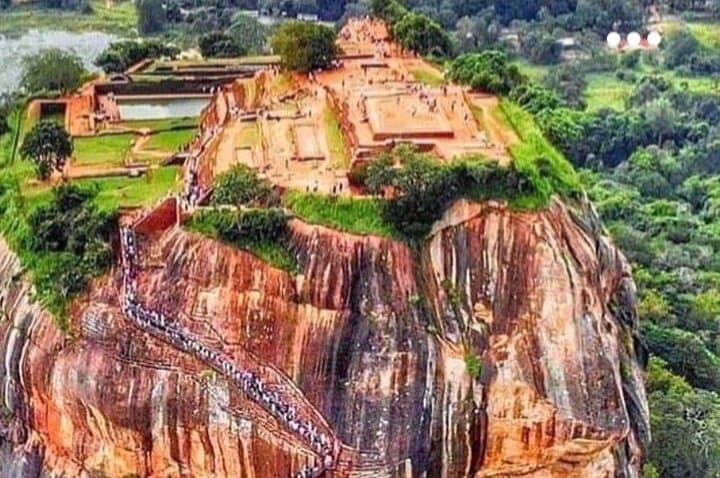
Climbing Sigiriya feels like moving through layers of time. The approach passes water gardens and stone walls that once framed a 5th-century palace built by King Kasyapa, an ambitious ruler who turned the rock into a fortified capital. A professional guide walks visitors through the story as well as the practicalities of the climb: iron stairs, narrow galleries, and the famous fresco panel framed in a shaded niche. At the top, the view opens in 360 degrees — lowlands, tank reservoirs, and the serried silhouettes of distant hills — all evidence of an ancient hydraulic landscape engineered for both beauty and defense.
After the climb and a compact museum visit, the tour shifts tone: an aromatic pause at a working Ayurvedic spice garden. Here, cinnamon bark, cardamom pods and pepper vines demand attention; a short walk and demonstration explain how these commodities once plugged Sri Lanka into long-distance trade networks and shaped local culture.
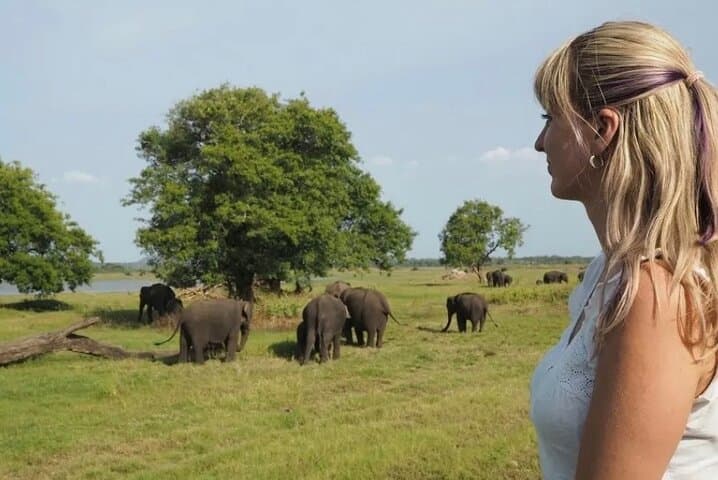
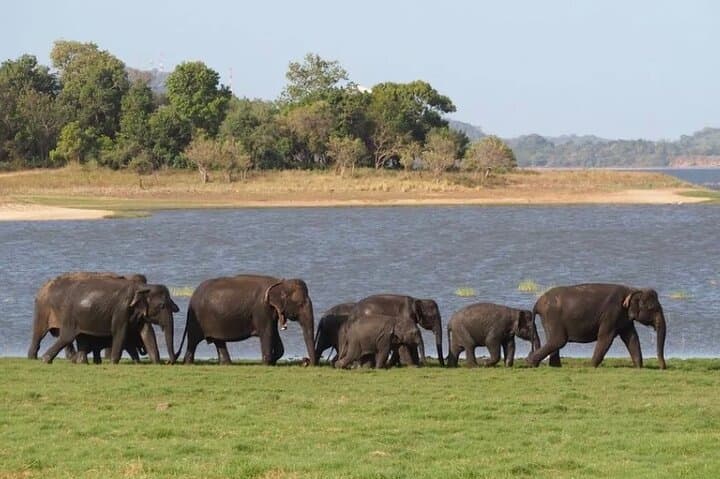
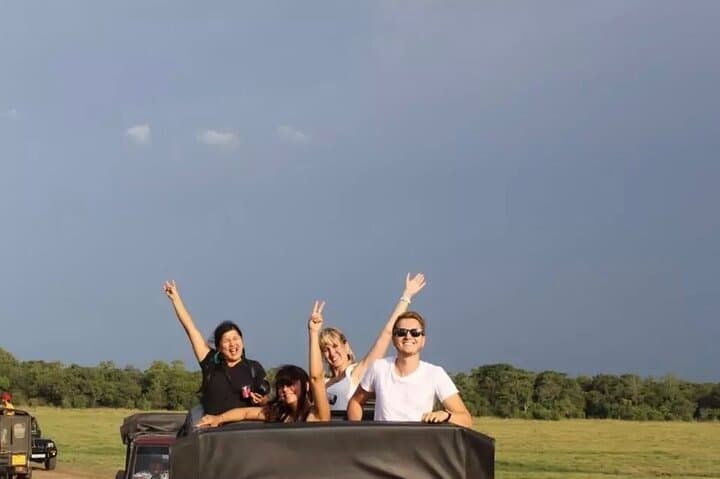
The afternoon belongs to Kaudulla National Park. Transferred into a 4x4 jeep, travelers scan scrub and tank-edge forest for Asian elephants that move through this section of the Hurulu biosphere reserve. Kaudulla’s seasonal gatherings — when dozens of bulls, cows and calves congregate near waterholes — are one of the country's most accessible wildlife spectacles. Birdlife punctuates the scene: painted storks, egrets and raptors wheel above the open plains.
Practical edge: this is a long, full day—expect 8 to 12 hours between hotel pickup and dropoff. The climb to Sigiriya includes steep stone steps and narrow passages; take breaks, keep hands free for railings, and use your guide’s pace.
Timing is everything. Early starts reduce sun exposure on the rock and improve morning light for photos; late afternoon safaris can be quieter as animals move toward water. Entrance fees and jeep safari are included, and private transport means you can customize stops if you need more time at the museum or garden.
For planning: bring at least 2 liters of water, sun protection, insect repellent, a compact daypack and binoculars. Wear sturdy shoes with good traction for the rock; leave drones and loud devices behind to respect wildlife and the archaeological site.
The route combines cultural depth and wildlife viewing in one efficiently paced day, ideal for travelers based on Trincomalee or Nilaveli who want a concentrated encounter with Sri Lanka’s natural and historical highlights.
moderate.
8–12 hours.
Suitable for travelers in reasonable physical condition—must be able to climb steep stone steps and stand for multi-hour jeep drives.
Plan for an 8 to 12 hour day—pickup from Trincomalee or Nilaveli, driving to Sigiriya, museum and spice garden stops, then a 4x4 jeep safari at Kaudulla and return.
The climb involves roughly 200 meters of elevation gain with stone steps and metal stairways; it's strenuous for some but manageable with breaks and a steady pace.
Yes—admission to Sigiriya and the museum, plus park entry for Kaudulla and the jeep safari, are included in the tour price.
Wildlife sightings cannot be guaranteed, but Kaudulla is known for regular elephant activity—sightings are common, especially during the dry season.
The tour lists as suitable for all fitness levels for transportation, but the Sigiriya climb is not wheelchair accessible and includes steep steps that can be difficult for young children and those with mobility issues.
Professional guides typically speak English; confirm if you need another language when booking.
Sigiriya was transformed into a fortified palace by King Kasyapa in the 5th century and is notable for its engineered gardens, frescoes and rock-cut architecture.
Kaudulla forms part of the Hurulu biosphere reserve and protecting elephant corridors is a local priority; choose operators who follow park rules and minimize disturbance.
Sigiritrip Tours operates guided outdoor trips and adventures with an emphasis on safety, stewardship, and memorable experiences.
The day begins before sunup in Trincomalee, when a driver eases out of town and the road opens into wide rice paddies and coconut palms. By the time the highway bends toward Sigiriya, a squat, ochre-colored monolith has already claimed the skyline — Lion Rock, rising roughly 200 meters out of the plains like an island of stone.
The day begins before sunup in Trincomalee, when a driver eases out of town and the road opens into wide rice paddies and coconut palms. By the time the highway bends toward Sigiriya, a squat, ochre-colored monolith has already claimed the skyline — Lion Rock, rising roughly 200 meters out of the plains like an island of stone.
Climbing Sigiriya feels like moving through layers of time. The approach passes water gardens and stone walls that once framed a 5th-century palace built by King Kasyapa, an ambitious ruler who turned the rock into a fortified capital. A professional guide walks visitors through the story as well as the practicalities of the climb: iron stairs, narrow galleries, and the famous fresco panel framed in a shaded niche. At the top, the view opens in 360 degrees — lowlands, tank reservoirs, and the serried silhouettes of distant hills — all evidence of an ancient hydraulic landscape engineered for both beauty and defense.
After the climb and a compact museum visit, the tour shifts tone: an aromatic pause at a working Ayurvedic spice garden. Here, cinnamon bark, cardamom pods and pepper vines demand attention; a short walk and demonstration explain how these commodities once plugged Sri Lanka into long-distance trade networks and shaped local culture.
The afternoon belongs to Kaudulla National Park. Transferred into a 4x4 jeep, travelers scan scrub and tank-edge forest for Asian elephants that move through this section of the Hurulu biosphere reserve. Kaudulla’s seasonal gatherings — when dozens of bulls, cows and calves congregate near waterholes — are one of the country's most accessible wildlife spectacles. Birdlife punctuates the scene: painted storks, egrets and raptors wheel above the open plains.
Practical edge: this is a long, full day—expect 8 to 12 hours between hotel pickup and dropoff. The climb to Sigiriya includes steep stone steps and narrow passages; take breaks, keep hands free for railings, and use your guide’s pace.
Timing is everything. Early starts reduce sun exposure on the rock and improve morning light for photos; late afternoon safaris can be quieter as animals move toward water. Entrance fees and jeep safari are included, and private transport means you can customize stops if you need more time at the museum or garden.
For planning: bring at least 2 liters of water, sun protection, insect repellent, a compact daypack and binoculars. Wear sturdy shoes with good traction for the rock; leave drones and loud devices behind to respect wildlife and the archaeological site.
The route combines cultural depth and wildlife viewing in one efficiently paced day, ideal for travelers based on Trincomalee or Nilaveli who want a concentrated encounter with Sri Lanka’s natural and historical highlights.