THE ADVENTURE COLLECTIVE® · Independent discovery and booking for outdoor travel

See Sri Lanka’s two crown jewels in a single, long day: the cliff‑top palace of Sigiriya and the painted sanctuaries of Dambulla Cave Temple. This full‑day tour from Colombo pairs high‑stepped panoramas with centuries of living devotion—best tackled early and paced for the heat.
See Sri Lanka’s two crown jewels in a single, long day: the cliff‑top palace of Sigiriya and the painted sanctuaries of Dambulla Cave Temple. This full‑day tour from Colombo pairs high‑stepped panoramas with centuries of living devotion—best tackled early and paced for the heat.
You arrive before the heat—Colombo dissolves into paddy fields and low hills as the coach eats miles, and the first sight of Sigiriya punches through the flat green: a freestanding granite column rising like an island out of scrub. The path up starts mundane—parked tuk‑tuks, souvenir stalls, the hum of cicadas—but the rock insists itself the moment the steps narrow and the Lion Gate looms. Climbing Sigiriya is a sequence of revelations: frescoed galleries that peer down on you, a mirror wall inlaid with ancient graffiti, and at last the summit platform where the panorama spills in every direction.
Verified experiences and guided adventures in the surrounding area.
Operated by Classical Lanka Tours · Sigiriya, Central Province
You arrive before the heat—Colombo dissolves into paddy fields and low hills as the coach eats miles, and the first sight of Sigiriya punches through the flat green: a freestanding granite column rising like an island out of scrub. The path up starts mundane—parked tuk‑tuks, souvenir stalls, the hum of cicadas—but the rock insists itself the moment the steps narrow and the Lion Gate looms. Climbing Sigiriya is a sequence of revelations: frescoed galleries that peer down on you, a mirror wall inlaid with ancient graffiti, and at last the summit platform where the panorama spills in every direction.
Geology explains the drama. Sigiriya is a hardened magma plug—an erosion‑resistant chunk of volcanic rock left standing as the softer bedrock washed away. Human ambition explains the rest: in the late 5th century CE King Kasyapa carved a palace city into its flanks, engineering water gardens and terraced defenses that still read clearly on the ground below.
A short drive west brings a different kind of hush at Dambulla Cave Temple. Entering these painted caverns, you step into two millennia of devotion: 157 Buddha images, layered murals covering 2,100 m2, and cool, dim air where incense lingers. The caves are not a museum in the Western sense; they are an active shrine and a living part of rural Buddhists’ practice.
The day tour threads cultural stops between the two UNESCO sites—an artisan woodcarving center, a gem showroom, and a spice garden—each offering a tangible link to Sri Lanka’s trades and tastes. These are useful pauses: a chance to stretch, buy a hand‑carved mask, or learn how spices factor into Ayurvedic remedies.
Practical edge: this is a long day. Expect roughly 10–12 hours door‑to‑door from Colombo when traffic cooperates, with two major climbs and several short walks. Sigiriya’s ascent requires negotiating metal platforms and roughly 1,200 steps in sections; Dambulla involves fewer stairs but constrained cave passages. Modest dress is required at Dambulla—shoulders and knees covered—and shoes must be removed at temple entrances. Bottled water is included on the tour, but bring extra electrolytes if you’re heat‑sensitive.
Timing matters. Start early to avoid the midday crush and the worst sun. Pace the summit climb—there are viewpoints that reward short rests—and save mental energy for the precise, intentional calm of Dambulla’s painted caves. Leave room in your bag for a hat, camera, and respect: both sites show the wear of centuries, and small choices—no touching the frescoes, staying on marked paths—help preserve them for the next traveler.
moderate.
10–12 hours.
Should be comfortable with prolonged walking and stair climbs; moderate cardiovascular fitness recommended
No—entrance fees for Sigiriya Rock and Dambulla Cave Temple are typically not included; bring cash or card to pay at the sites unless your booking specifies otherwise.
Expect roughly 3–4 hours each way depending on traffic; the itinerary allocates travel time so the day runs about 10–12 hours total.
The climb involves metal stairways and narrow sections—roughly 1,200 steps in parts—so it’s steep but manageable for most with moderate fitness; take breaks.
Photography is usually allowed in parts of the caves but flash may be restricted to protect murals—follow onsite signage and guide instructions.
Bottled water is included; lunch is not guaranteed—confirm with the operator or expect a stop at a local restaurant during the day.
Children can join but should be comfortable with long days and stair climbs; the tour is not suitable for travelers with significant mobility limitations due to steep sections and uneven terrain.
Sigiriya was transformed into an elaborate palace‑fortress by King Kasyapa in the late 5th century CE; Dambulla’s cave monastery has been a Buddhist pilgrimage site for over two thousand years.
Both sites face wear from high visitor numbers—stay on marked paths, avoid touching murals, and use local guides who support preservation efforts.
Classical Lanka Tours operates guided outdoor trips and adventures with an emphasis on safety, stewardship, and memorable experiences.
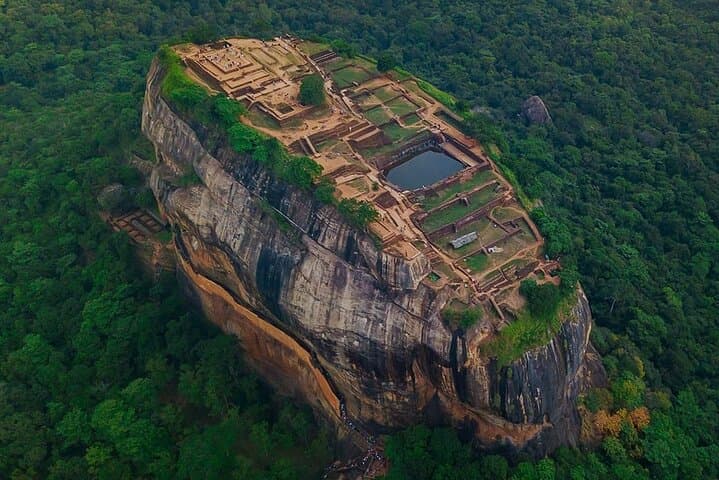
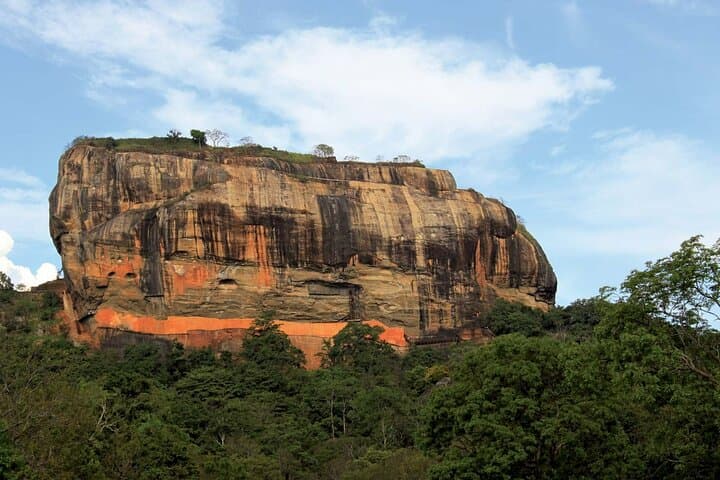
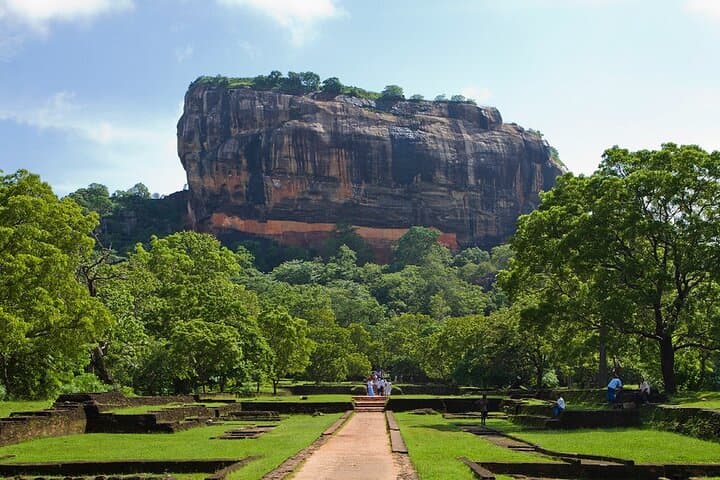
You arrive before the heat—Colombo dissolves into paddy fields and low hills as the coach eats miles, and the first sight of Sigiriya punches through the flat green: a freestanding granite column rising like an island out of scrub. The path up starts mundane—parked tuk‑tuks, souvenir stalls, the hum of cicadas—but the rock insists itself the moment the steps narrow and the Lion Gate looms. Climbing Sigiriya is a sequence of revelations: frescoed galleries that peer down on you, a mirror wall inlaid with ancient graffiti, and at last the summit platform where the panorama spills in every direction.
You arrive before the heat—Colombo dissolves into paddy fields and low hills as the coach eats miles, and the first sight of Sigiriya punches through the flat green: a freestanding granite column rising like an island out of scrub. The path up starts mundane—parked tuk‑tuks, souvenir stalls, the hum of cicadas—but the rock insists itself the moment the steps narrow and the Lion Gate looms. Climbing Sigiriya is a sequence of revelations: frescoed galleries that peer down on you, a mirror wall inlaid with ancient graffiti, and at last the summit platform where the panorama spills in every direction.
Geology explains the drama. Sigiriya is a hardened magma plug—an erosion‑resistant chunk of volcanic rock left standing as the softer bedrock washed away. Human ambition explains the rest: in the late 5th century CE King Kasyapa carved a palace city into its flanks, engineering water gardens and terraced defenses that still read clearly on the ground below.
A short drive west brings a different kind of hush at Dambulla Cave Temple. Entering these painted caverns, you step into two millennia of devotion: 157 Buddha images, layered murals covering 2,100 m2, and cool, dim air where incense lingers. The caves are not a museum in the Western sense; they are an active shrine and a living part of rural Buddhists’ practice.
The day tour threads cultural stops between the two UNESCO sites—an artisan woodcarving center, a gem showroom, and a spice garden—each offering a tangible link to Sri Lanka’s trades and tastes. These are useful pauses: a chance to stretch, buy a hand‑carved mask, or learn how spices factor into Ayurvedic remedies.
Practical edge: this is a long day. Expect roughly 10–12 hours door‑to‑door from Colombo when traffic cooperates, with two major climbs and several short walks. Sigiriya’s ascent requires negotiating metal platforms and roughly 1,200 steps in sections; Dambulla involves fewer stairs but constrained cave passages. Modest dress is required at Dambulla—shoulders and knees covered—and shoes must be removed at temple entrances. Bottled water is included on the tour, but bring extra electrolytes if you’re heat‑sensitive.
Timing matters. Start early to avoid the midday crush and the worst sun. Pace the summit climb—there are viewpoints that reward short rests—and save mental energy for the precise, intentional calm of Dambulla’s painted caves. Leave room in your bag for a hat, camera, and respect: both sites show the wear of centuries, and small choices—no touching the frescoes, staying on marked paths—help preserve them for the next traveler.