THE ADVENTURE COLLECTIVE® · Independent discovery and booking for outdoor travel

A full-day river journey from Manila through a narrow gorge leads to Pagsanjan Falls—an adrenaline-tinged upstream paddle, a bamboo raft through a waterfall curtain, and a hair-raising downstream run through rapids. Practical tips and local context to plan your day.
A full-day river journey from Manila through a narrow gorge leads to Pagsanjan Falls—an adrenaline-tinged upstream paddle, a bamboo raft through a waterfall curtain, and a hair-raising downstream run through rapids. Practical tips and local context to plan your day.
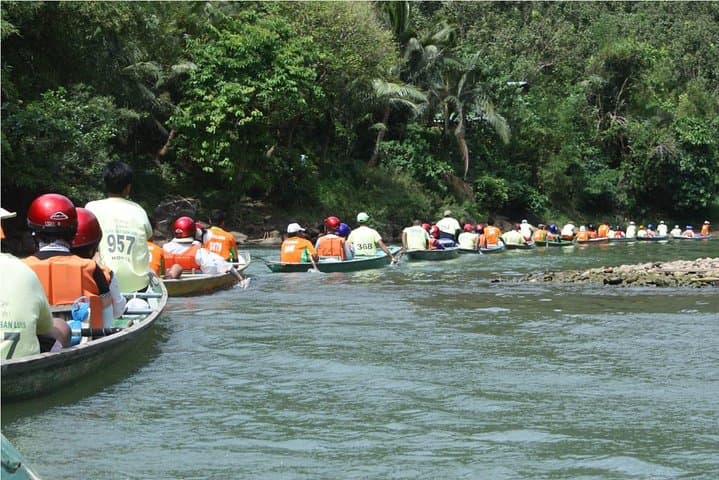
The river narrows and the boat seems to pick up a will of its own—two boatmen at the stern and bow shifting weight like dancers while the canoe threads between boulders. Green cliffs press close; orchids and ferns cling to wet rock faces. Upstream, the water smooths into pools that mirror the sky. Then the first hint of thunder: a white curtain looms and the river forgets to be polite.
Verified experiences and guided adventures in the surrounding area.
Operated by CTPH TOUR · Pagsanjan, Laguna
The river narrows and the boat seems to pick up a will of its own—two boatmen at the stern and bow shifting weight like dancers while the canoe threads between boulders. Green cliffs press close; orchids and ferns cling to wet rock faces. Upstream, the water smooths into pools that mirror the sky. Then the first hint of thunder: a white curtain looms and the river forgets to be polite.
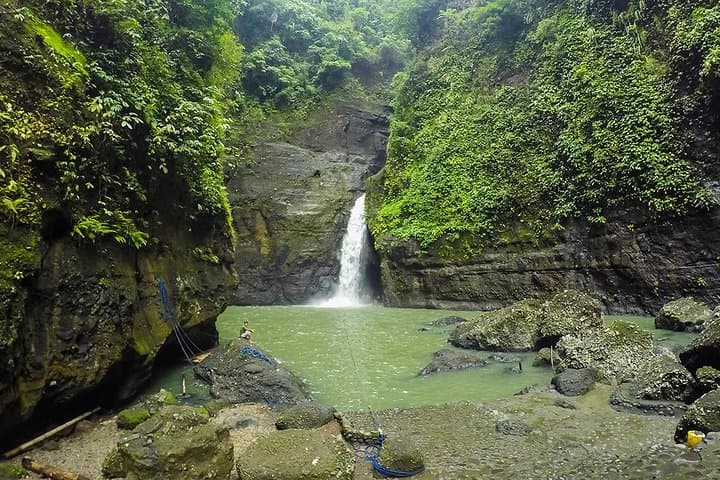
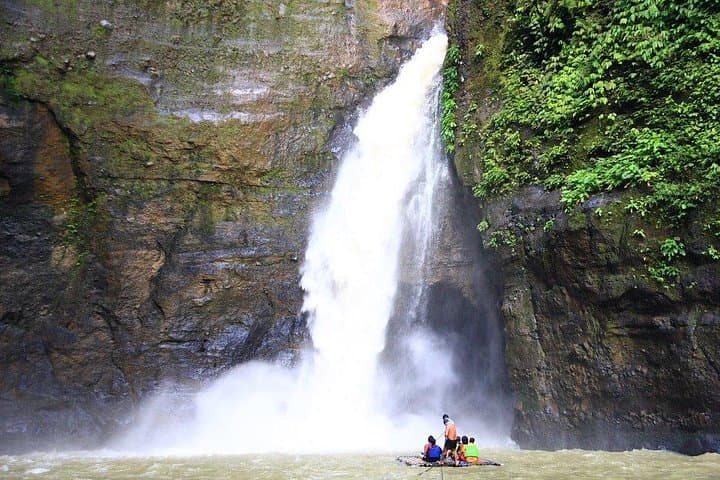
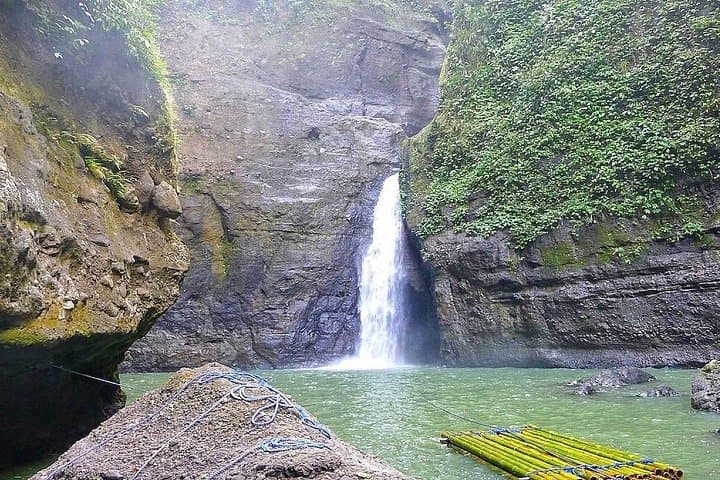
This is Shooting the Rapids, the classic route to Pagsanjan Falls (also called Magdapio or Cavinti Falls). The three-drop cascade plunges into a natural plunge pool where bamboo rafts shuttle visitors through the curtain to a cavern behind the falls. The whole ritual—pickup in Manila, a long upstream push through the Pagsanjan Gorge, a swim-ready stop beneath the falls, and the hair-raising run downstream—takes a full day and a heady mix of calm and kinetic energy.
Geologically the gorge is carved from volcanic tuff and river-worn limestone; the canyon walls and scattered potholes are proof of centuries of water at work. Culturally, the route is older than its tourist fame—locals have navigated these channels for generations, and legends about spirits and guardians still follow the current. The boatmen are licensed professionals whose knowledge of water, wind and rock is the backbone of the experience.
Practicalities matter here. Tours from Manila typically include hotel pickup (Makati and central Manila service is common), entrance fees, life vests and the optional bamboo raft ride to the Devil’s Cave. The upstream leg can be more than an hour, depending on water level and traffic; the full tour listed runs about 12–13 hours door to door. Expect long waits in the sun while boarding or between boats—pack shade.
Come prepared to get wet: quick-dry clothing and water shoes make the bamboo-raft and pool moments far more enjoyable. Cameras are welcome but protect them—spray from the falls is relentless. Cash helps for tips, small purchases, and local souvenirs; mobile payment is inconsistent in rural drop points. Respect the river: follow the crew’s instructions, use provided life vests, and don’t leave plastic behind.
For photographers, the upstream gorge in morning light compresses depth and color; the raft beneath the falls offers dramatic silhouettes; the downstream rapids reward fast shutter speeds. At day’s end you’ll return to Manila with a story that’s equal parts nature, skill and adrenaline—a single river that both invites and tests you.
moderate.
12–13 hours.
Suitable for most fitness levels—requires basic mobility for stepping into boats and holding steady during rapids.
Yes—life vests are included for all passengers during the river and raft portions.
Children can ride but must be supervised and wearing a life vest; consult operator about age limits and seat availability.
The upstream canoe ride can take around 45–90 minutes depending on water level and river traffic.
Swimming is allowed in designated areas beneath the falls but follow crew instructions and avoid strong currents.
Most tours include pickup and drop-off from central Manila and Makati; confirm exact pickup zones when booking.
If river levels are too low, operators may modify the route or reach the falls by a short hike from Cavinti instead of the upstream canoe.
Local boat routes predate tourism; the Pagsanjan Gorge has long been a transport corridor and a place of local folklore about river spirits.
High foot traffic and plastic waste strain the gorge—support licensed operators, use reusable drink containers, and pack out trash.
CTPH TOUR operates guided outdoor trips and adventures with an emphasis on safety, stewardship, and memorable experiences.
The river narrows and the boat seems to pick up a will of its own—two boatmen at the stern and bow shifting weight like dancers while the canoe threads between boulders. Green cliffs press close; orchids and ferns cling to wet rock faces. Upstream, the water smooths into pools that mirror the sky. Then the first hint of thunder: a white curtain looms and the river forgets to be polite.
The river narrows and the boat seems to pick up a will of its own—two boatmen at the stern and bow shifting weight like dancers while the canoe threads between boulders. Green cliffs press close; orchids and ferns cling to wet rock faces. Upstream, the water smooths into pools that mirror the sky. Then the first hint of thunder: a white curtain looms and the river forgets to be polite.
This is Shooting the Rapids, the classic route to Pagsanjan Falls (also called Magdapio or Cavinti Falls). The three-drop cascade plunges into a natural plunge pool where bamboo rafts shuttle visitors through the curtain to a cavern behind the falls. The whole ritual—pickup in Manila, a long upstream push through the Pagsanjan Gorge, a swim-ready stop beneath the falls, and the hair-raising run downstream—takes a full day and a heady mix of calm and kinetic energy.
Geologically the gorge is carved from volcanic tuff and river-worn limestone; the canyon walls and scattered potholes are proof of centuries of water at work. Culturally, the route is older than its tourist fame—locals have navigated these channels for generations, and legends about spirits and guardians still follow the current. The boatmen are licensed professionals whose knowledge of water, wind and rock is the backbone of the experience.
Practicalities matter here. Tours from Manila typically include hotel pickup (Makati and central Manila service is common), entrance fees, life vests and the optional bamboo raft ride to the Devil’s Cave. The upstream leg can be more than an hour, depending on water level and traffic; the full tour listed runs about 12–13 hours door to door. Expect long waits in the sun while boarding or between boats—pack shade.
Come prepared to get wet: quick-dry clothing and water shoes make the bamboo-raft and pool moments far more enjoyable. Cameras are welcome but protect them—spray from the falls is relentless. Cash helps for tips, small purchases, and local souvenirs; mobile payment is inconsistent in rural drop points. Respect the river: follow the crew’s instructions, use provided life vests, and don’t leave plastic behind.
For photographers, the upstream gorge in morning light compresses depth and color; the raft beneath the falls offers dramatic silhouettes; the downstream rapids reward fast shutter speeds. At day’s end you’ll return to Manila with a story that’s equal parts nature, skill and adrenaline—a single river that both invites and tests you.