THE ADVENTURE COLLECTIVE® · Independent discovery and booking for outdoor travel

Spend a day with shepherds in Abruzzo National Park: milk sheep, make traditional cheese with a master casaro, and visit Rocca Calascio. This private day trip from Rome combines hands‑on rural skills with cinematic mountain scenery.
Spend a day with shepherds in Abruzzo National Park: milk sheep, make traditional cheese with a master casaro, and visit Rocca Calascio. This private day trip from Rome combines hands‑on rural skills with cinematic mountain scenery.
Morning light strips the mist from the beech forests as a private minivan climbs away from Rome and into the skeletal ridgelines of Abruzzo.
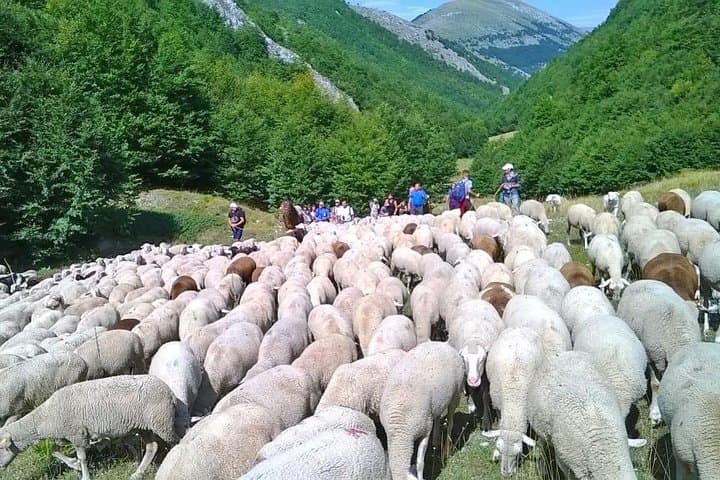
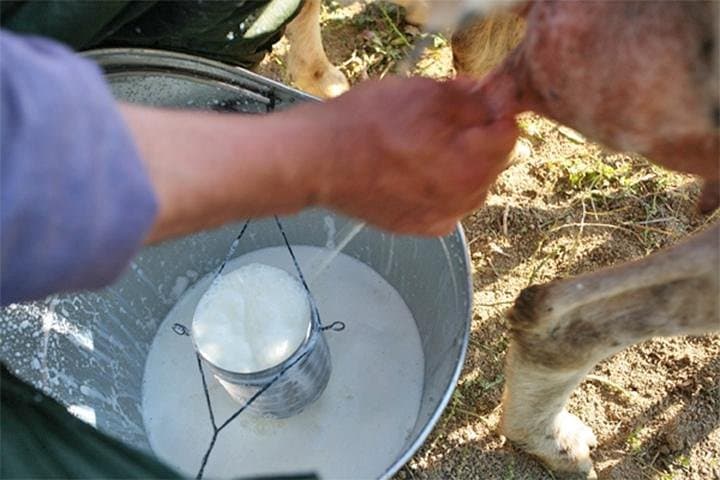
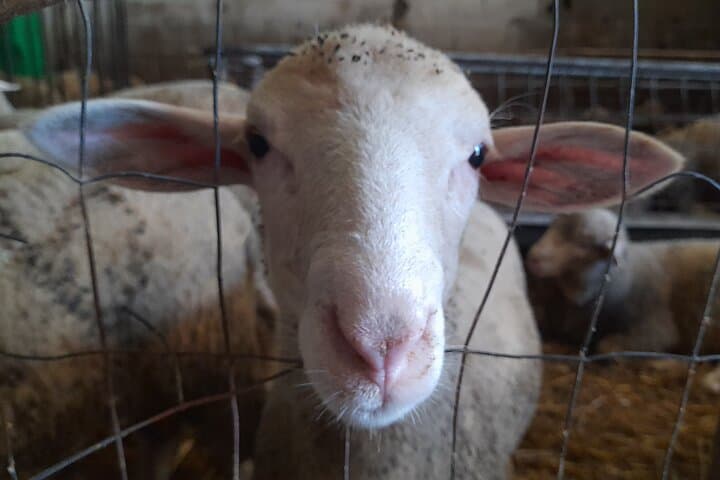
You meet the shepherd at a mountain pasture where the flock already grazes; the animals move with an ancient, purposeful rhythm and the air smells of grass and sheep. For three hours you lead herds across low plateaus, learn to milk by hand and work curds under the eye of a master casaro, turning raw milk into fresh ricotta and pecorino.
The landscape here is shaped by Apennine limestone—ramps and scrags that gave rise to the defensive perch of Rocca Calascio, one of central Italy’s highest medieval fortresses. The local culture still follows transhumance patterns, a seasonal migration of shepherds that predates modern borders, and towns like Castel del Monte keep that pastoral history visible in daily life.
Practicalities matter: expect uneven grazing tracks, short rocky climbs and long stretches in open sun. Lunch is a focused, genuine affair—local bread, cured meats, cheeses and regional wine—served with views of distant peaks. If time and weather allow, the tour adds the cinematic ruins of Rocca Calascio and the dripping caves of Stiffe, each offering distinct geology—karst caverns and tumbled masonry.
Bring layered clothing, good footwear and a readiness to handle animals calmly. The day is part natural history lesson, part hands‑on craft session—ideal for people who want to leave the city for tactile, rural Italy and return with both skills and stories.
Verified experiences and guided adventures in the surrounding area.
Operated by Raphael Tours & Events · Castel del Monte, Abruzzo
Morning light strips the mist from the beech forests as a private minivan climbs away from Rome and into the skeletal ridgelines of Abruzzo.
You meet the shepherd at a mountain pasture where the flock already grazes; the animals move with an ancient, purposeful rhythm and the air smells of grass and sheep. For three hours you lead herds across low plateaus, learn to milk by hand and work curds under the eye of a master casaro, turning raw milk into fresh ricotta and pecorino.
The landscape here is shaped by Apennine limestone—ramps and scrags that gave rise to the defensive perch of Rocca Calascio, one of central Italy’s highest medieval fortresses. The local culture still follows transhumance patterns, a seasonal migration of shepherds that predates modern borders, and towns like Castel del Monte keep that pastoral history visible in daily life.
Practicalities matter: expect uneven grazing tracks, short rocky climbs and long stretches in open sun. Lunch is a focused, genuine affair—local bread, cured meats, cheeses and regional wine—served with views of distant peaks. If time and weather allow, the tour adds the cinematic ruins of Rocca Calascio and the dripping caves of Stiffe, each offering distinct geology—karst caverns and tumbled masonry.
Bring layered clothing, good footwear and a readiness to handle animals calmly. The day is part natural history lesson, part hands‑on craft session—ideal for people who want to leave the city for tactile, rural Italy and return with both skills and stories.
moderate.
10–11 hours.
Reasonable walking fitness for up to three hours over uneven, sometimes rocky terrain; comfortable standing during demos.
Yes—private pickup and drop‑off from accommodations in Rome are included as part of the tour.
Children can join but must be supervised; the operator notes infants and small children are accommodated and require adult accompaniment.
Yes—the experience is designed for novices; shepherds and the casaro demonstrate techniques and guide guests through milking and cheese‑making.
Visits to the castle and caves depend on time and weather; the itinerary allows them when conditions permit but they are not guaranteed.
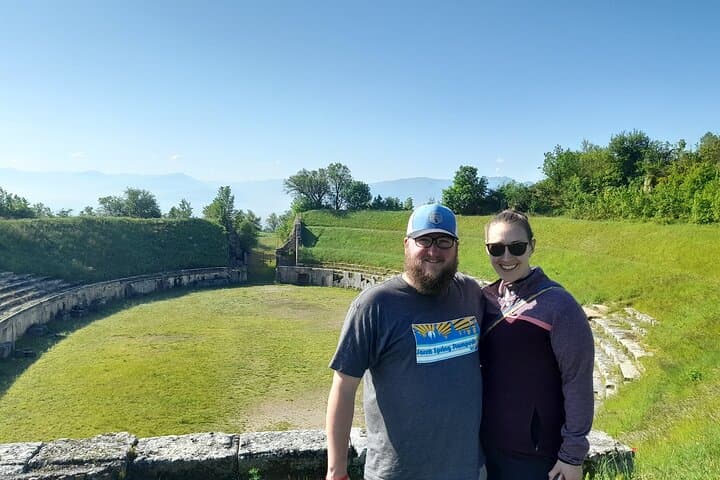
The area’s medieval castles and hill towns grew around strategic Apennine passes; shepherding and transhumance shaped local settlement patterns for centuries.
Abruzzo’s beech forests and high pastures are protected within the national park; visitors should stick to trails, avoid disturbing wildlife and follow local guidance to limit impact.
Raphael Tours & Events operates guided outdoor trips and adventures with an emphasis on safety, stewardship, and memorable experiences.
Morning light strips the mist from the beech forests as a private minivan climbs away from Rome and into the skeletal ridgelines of Abruzzo.
You meet the shepherd at a mountain pasture where the flock already grazes; the animals move with an ancient, purposeful rhythm and the air smells of grass and sheep. For three hours you lead herds across low plateaus, learn to milk by hand and work curds under the eye of a master casaro, turning raw milk into fresh ricotta and pecorino.
The landscape here is shaped by Apennine limestone—ramps and scrags that gave rise to the defensive perch of Rocca Calascio, one of central Italy’s highest medieval fortresses. The local culture still follows transhumance patterns, a seasonal migration of shepherds that predates modern borders, and towns like Castel del Monte keep that pastoral history visible in daily life.
Practicalities matter: expect uneven grazing tracks, short rocky climbs and long stretches in open sun. Lunch is a focused, genuine affair—local bread, cured meats, cheeses and regional wine—served with views of distant peaks. If time and weather allow, the tour adds the cinematic ruins of Rocca Calascio and the dripping caves of Stiffe, each offering distinct geology—karst caverns and tumbled masonry.
Bring layered clothing, good footwear and a readiness to handle animals calmly. The day is part natural history lesson, part hands‑on craft session—ideal for people who want to leave the city for tactile, rural Italy and return with both skills and stories.
Morning light strips the mist from the beech forests as a private minivan climbs away from Rome and into the skeletal ridgelines of Abruzzo.
You meet the shepherd at a mountain pasture where the flock already grazes; the animals move with an ancient, purposeful rhythm and the air smells of grass and sheep. For three hours you lead herds across low plateaus, learn to milk by hand and work curds under the eye of a master casaro, turning raw milk into fresh ricotta and pecorino.
The landscape here is shaped by Apennine limestone—ramps and scrags that gave rise to the defensive perch of Rocca Calascio, one of central Italy’s highest medieval fortresses. The local culture still follows transhumance patterns, a seasonal migration of shepherds that predates modern borders, and towns like Castel del Monte keep that pastoral history visible in daily life.
Practicalities matter: expect uneven grazing tracks, short rocky climbs and long stretches in open sun. Lunch is a focused, genuine affair—local bread, cured meats, cheeses and regional wine—served with views of distant peaks. If time and weather allow, the tour adds the cinematic ruins of Rocca Calascio and the dripping caves of Stiffe, each offering distinct geology—karst caverns and tumbled masonry.
Bring layered clothing, good footwear and a readiness to handle animals calmly. The day is part natural history lesson, part hands‑on craft session—ideal for people who want to leave the city for tactile, rural Italy and return with both skills and stories.