THE ADVENTURE COLLECTIVE® · Independent discovery and booking for outdoor travel

Board a small, owner-operated boat in Simon’s Town and descend into the brine-scented world around Seal Island. This 3.5-hour experience balances close-up shark encounters with conservation-minded interpretation and optional scuba or snorkel options.
Board a small, owner-operated boat in Simon’s Town and descend into the brine-scented world around Seal Island. This 3.5-hour experience balances close-up shark encounters with conservation-minded interpretation and optional scuba or snorkel options.
The boat slips from Simon's Town Wharf as a low sun pries color from False Bay. Salt folds across your face; the crew moves with a practiced calm, lowering steel into the water while you fasten a hood and watch the swell roll. The sea here feels alive—tugging, curious, sometimes indifferent—and it's the same stretch of water that has drawn seals, sharks and mariners for centuries.
Verified experiences and guided adventures in the surrounding area.
Operated by African Shark Eco-Charters · Simon's Town, Western Cape
The boat slips from Simon's Town Wharf as a low sun pries color from False Bay. Salt folds across your face; the crew moves with a practiced calm, lowering steel into the water while you fasten a hood and watch the swell roll. The sea here feels alive—tugging, curious, sometimes indifferent—and it's the same stretch of water that has drawn seals, sharks and mariners for centuries.
This is Seal Island territory. A granite bowl carved by ancient tectonics and glacial sea-level shifts, False Bay funnels currents and prey into predictable lanes. That predictability is what brings Bronze Whaler and, seasonally, Great White sharks to the island, and it’s why operators from Simon's Town have been running ethical cage dives here for decades. Simon's Town itself is an old naval settlement—its quays and whale-spotting forts whisper a maritime past that sits beside modern eco-tourism.
On a trip with a small, owner-operated operator you’ll spend roughly 3.5 hours on the water; groups are intentionally small to reduce disturbance and increase education. Along the way the crew explains shark behavior, local marine geology and the conservation rules that guide responsible encounters. Dolphins often surf the bow, and between April and September the bay can turn into a stage for migrating whales and, if luck and timing align, Great White sightings farther off Cape Point.
Practicalities matter here as much as wonder. Meet times are typically 07:30 or 11:30 at the Wharf Street shop in Simon's Town; expect a compact briefing, gear fitting and a short ride to the island. Snacks and drinks are provided and scuba equipment is available if you’re certified and signed up in advance; snorkelling is an option for non-divers. Weather and sea state decide the day—operators can cancel for safety or low numbers, so confirm the night before.
Bring layered thermal protection, a stable pair of shoes for wet decks, and seasickness prevention if you’re prone to roll. Cameras with waterproof housings catch the action, but let the crew handle the cage and safety lines. Above all, go with intent to learn: these tours are as much about marine stewardship as adrenaline. When the cage drops and the water goes dark with the slow approach of a shark, you’ll feel the ocean’s focus—curious, deliberate, and ultimately in charge.
moderate.
3–4 hours.
Able to climb in and out of a boat, stand on a rocking deck, and manage short swims if snorkelling; generally suitable for most fitness levels.
Great Whites are most commonly sighted from April through September; Bronze Whalers and other species appear year-round.
No—snorkelling or cage-only guests can participate; scuba is offered to certified divers only and should be requested at booking.
Transfers are not included; operators often arrange pickups for an additional fee—ask when you book.
Trips can be canceled for safety reasons; most operators refund in full if they cancel due to weather and ask that you reconfirm the day before departure.
Age restrictions vary—ask the operator. Children should be able to follow safety briefings and handle time on deck.
Ethical operators minimize chumming and follow local regulations—ask about their specific practices when booking to ensure responsible wildlife encounters.
Simon’s Town has been a strategic naval base since the 18th century; its harbor and lighthouse have guided vessels around False Bay’s rugged headlands for generations.
Operators here emphasize low-impact viewing and education—avoid tours that promise guaranteed baiting or close-contact manipulation of wildlife.
African Shark Eco-Charters operates guided outdoor trips and adventures with an emphasis on safety, stewardship, and memorable experiences.
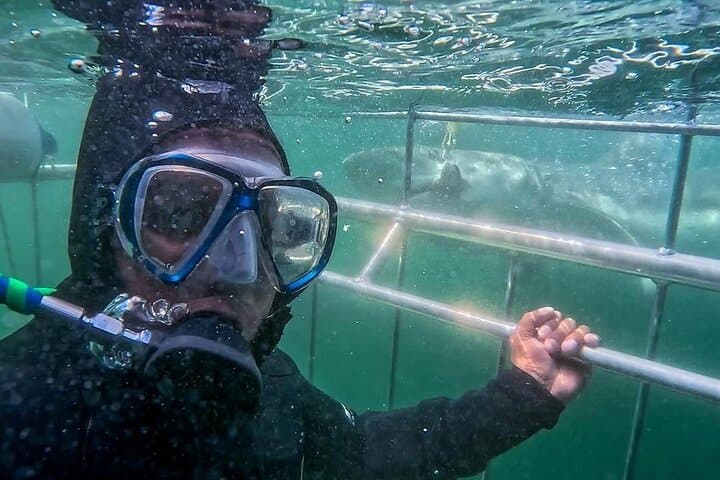
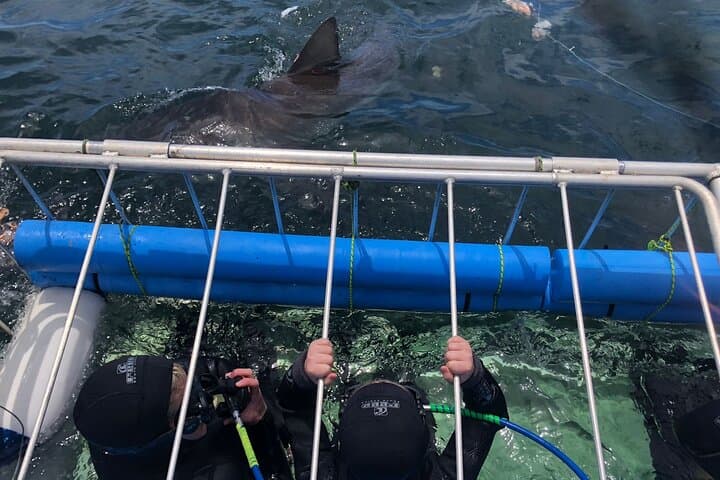
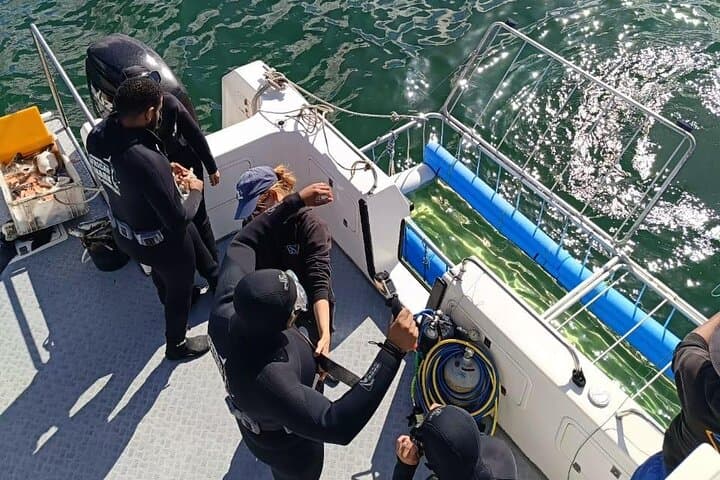
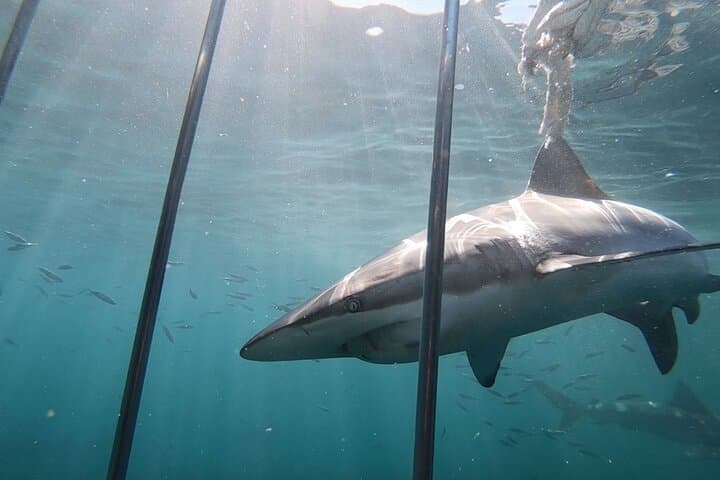
The boat slips from Simon's Town Wharf as a low sun pries color from False Bay. Salt folds across your face; the crew moves with a practiced calm, lowering steel into the water while you fasten a hood and watch the swell roll. The sea here feels alive—tugging, curious, sometimes indifferent—and it's the same stretch of water that has drawn seals, sharks and mariners for centuries.
The boat slips from Simon's Town Wharf as a low sun pries color from False Bay. Salt folds across your face; the crew moves with a practiced calm, lowering steel into the water while you fasten a hood and watch the swell roll. The sea here feels alive—tugging, curious, sometimes indifferent—and it's the same stretch of water that has drawn seals, sharks and mariners for centuries.
This is Seal Island territory. A granite bowl carved by ancient tectonics and glacial sea-level shifts, False Bay funnels currents and prey into predictable lanes. That predictability is what brings Bronze Whaler and, seasonally, Great White sharks to the island, and it’s why operators from Simon's Town have been running ethical cage dives here for decades. Simon's Town itself is an old naval settlement—its quays and whale-spotting forts whisper a maritime past that sits beside modern eco-tourism.
On a trip with a small, owner-operated operator you’ll spend roughly 3.5 hours on the water; groups are intentionally small to reduce disturbance and increase education. Along the way the crew explains shark behavior, local marine geology and the conservation rules that guide responsible encounters. Dolphins often surf the bow, and between April and September the bay can turn into a stage for migrating whales and, if luck and timing align, Great White sightings farther off Cape Point.
Practicalities matter here as much as wonder. Meet times are typically 07:30 or 11:30 at the Wharf Street shop in Simon's Town; expect a compact briefing, gear fitting and a short ride to the island. Snacks and drinks are provided and scuba equipment is available if you’re certified and signed up in advance; snorkelling is an option for non-divers. Weather and sea state decide the day—operators can cancel for safety or low numbers, so confirm the night before.
Bring layered thermal protection, a stable pair of shoes for wet decks, and seasickness prevention if you’re prone to roll. Cameras with waterproof housings catch the action, but let the crew handle the cage and safety lines. Above all, go with intent to learn: these tours are as much about marine stewardship as adrenaline. When the cage drops and the water goes dark with the slow approach of a shark, you’ll feel the ocean’s focus—curious, deliberate, and ultimately in charge.