THE ADVENTURE COLLECTIVE® · Independent discovery and booking for outdoor travel

Trade a bumpy Jeep seat for quiet power on an electric dirt bike and ride Shafer Trail to the Colorado River overlook. This guided tour delivers cinematic views (Thelma & Louise point included), manageable terrain for beginners and a visceral way to experience Moab’s red-rock edges.
Trade a bumpy Jeep seat for quiet power on an electric dirt bike and ride Shafer Trail to the Colorado River overlook. This guided tour delivers cinematic views (Thelma & Louise point included), manageable terrain for beginners and a visceral way to experience Moab’s red-rock edges.
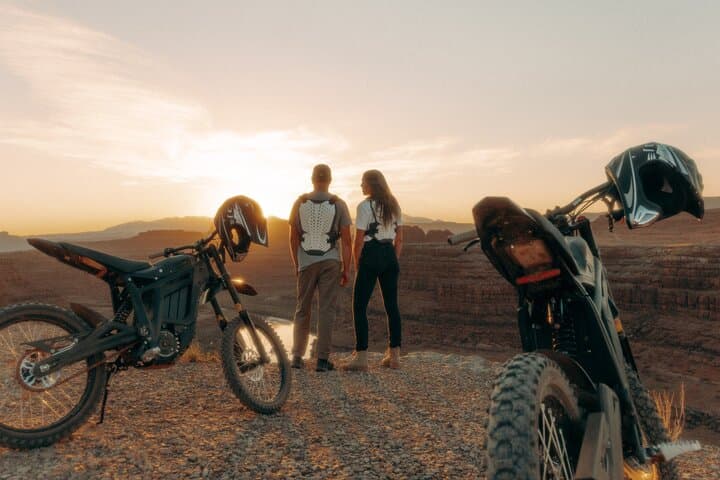
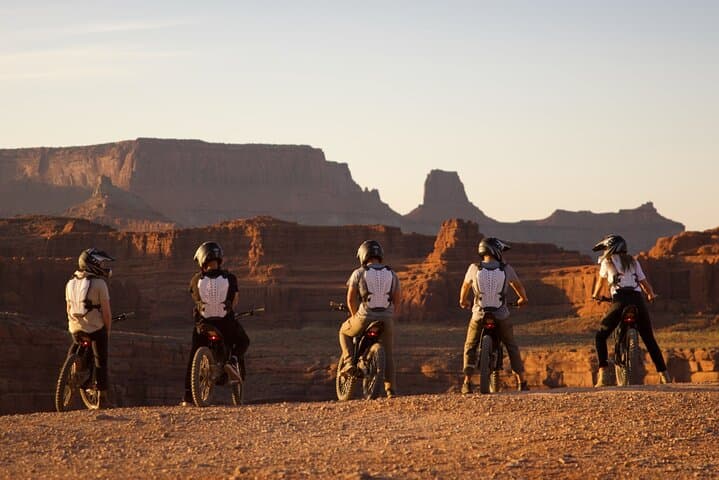
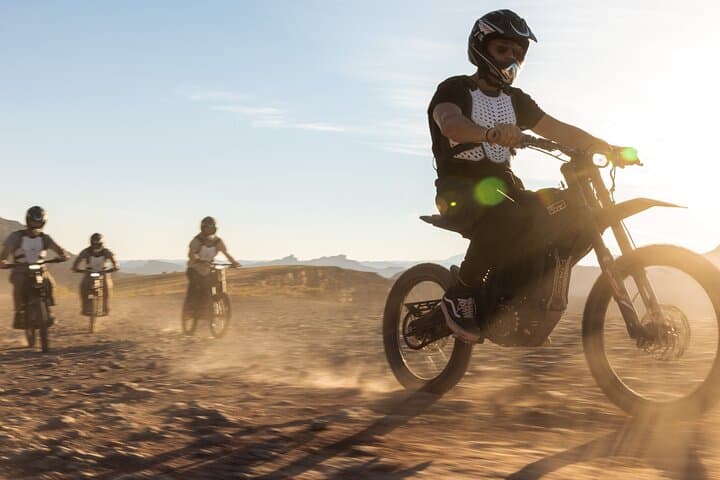
The first pedal of the e-bike is a small, electric whisper; the red rock suddenly feels intimate. You push off from the Potash Road boat ramp and the world opens into a ribbon of slickrock and sand. The Talaria Sting hums under your hands as the group threads between towering fins, crosses open plateaus and rides the rim above the Colorado River — a view that spills across Canyonlands, Dead Horse Point and the escarpments of Bears Ears.
Verified experiences and guided adventures in the surrounding area.
Operated by E-Motion Moab Electric Dirt Bike Adventures · Moab, Utah
The first pedal of the e-bike is a small, electric whisper; the red rock suddenly feels intimate. You push off from the Potash Road boat ramp and the world opens into a ribbon of slickrock and sand. The Talaria Sting hums under your hands as the group threads between towering fins, crosses open plateaus and rides the rim above the Colorado River — a view that spills across Canyonlands, Dead Horse Point and the escarpments of Bears Ears.
This is not a guided Jeep parade. The quiet of the electric motors lets conversations and canyon sounds coexist — geologic time in one ear, human laughter in the other. Halfway up the grade you crest an overlook more than 800 feet above the river: familiar to movie fans as the Thelma & Louise vista, but older still — carved by river incision and uplift. Shafer Trail’s switchbacks and bench cuts are the work of miners, ranchers and road crews who forced a route from river to mesa; today it’s a corridor for riders who want torque without fumes.
Geology here reads like an open book. Red Wingate and Kayenta sandstone form the cliffs; the White Rim strata trace horizontal lines across distant walls. The river below is a persistent energy, daring the canyon to fall inward. Culturally, this landscape has long been traveled and managed by Indigenous Nations; contemporary recreation exists alongside places of deep ancestral significance.
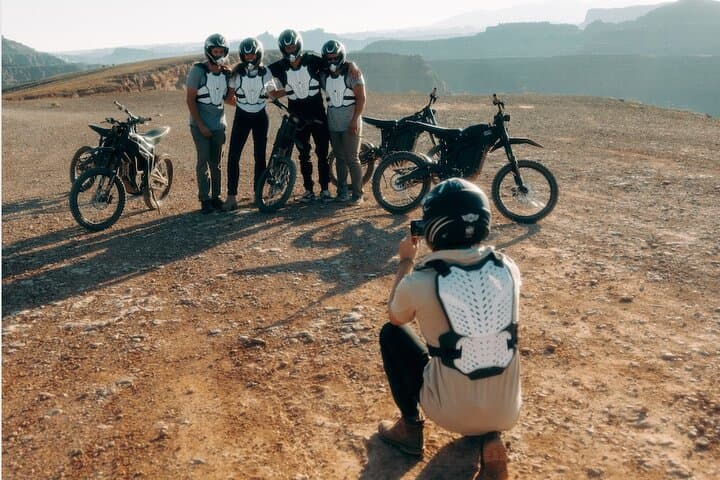
Practical note: the route from Potash Road to the overlook involves a mix of packed dirt, sand, and slickrock sections — traction changes quickly. Guides outfit riders with helmets, chest and shin protection, and a short safety briefing covers throttle feel and downshift techniques. The typical tour runs about 2.5 hours, with roughly 110 minutes on trail, and groups are kept small so riders of mixed experience can set their own pace.
Bring hydration and sun protection: the high desert gives little warning, and even in spring or fall the sun will take you unawares. Closed-toe shoes with ankle support help on foot pegs and when dismounting on uneven surfaces. Expect limited shade; if you’re photographing, plan golden hour shots from the main overlook or from under the Dead Horse cliffs where light sculpts the buttes.
The ride is approachable for first-timers who can balance on two wheels, and rewarding for experienced riders who appreciate torque delivery and the low sound profile. Respect speed limits, listen to your guide, and leave the cultural sites intact. The payoff is a ride that puts you in the driver’s seat of Moab’s best viewpoints — fast enough to thrill, quiet enough to notice what the canyon has to say.
moderate.
2–3 hours.
Light to moderate — you should be comfortable mounting/dismounting and standing on pegs for short periods; no extreme fitness required.
No prior dirt-bike experience is required; guides give a safety briefing and the e-bikes are user-friendly, but you should be comfortable balancing on two wheels.
Protective helmet, chest and shin guards, the electric dirt bike, and a professional guide are included.
The tour lasts about 2.5 hours with roughly 110 minutes on trail; distance varies by route but expect several miles of mixed terrain up to the Colorado River overlook.
Booking requests ask for age and height; operators typically set limits for fit with the bike — check with the provider when booking.
Tours cancel in poor weather for safety; you’ll be eligible for a full refund if you cancel at least 24 hours before departure.
Physically it’s light to moderate — throttle does much of the work, but you’ll need to shift weight and stand on pegs through rougher sections.
Shafer Trail was engineered to connect river-bottom mining and ranching access to the mesa; its switchbacks reflect early 20th-century road-building efforts.
Stay on the designated route to avoid cryptobiotic soils and plant life; local operators follow low-impact practices to minimize erosion and disturbance.
E-Motion Moab Electric Dirt Bike Adventures operates guided outdoor trips and adventures with an emphasis on safety, stewardship, and memorable experiences.
The first pedal of the e-bike is a small, electric whisper; the red rock suddenly feels intimate. You push off from the Potash Road boat ramp and the world opens into a ribbon of slickrock and sand. The Talaria Sting hums under your hands as the group threads between towering fins, crosses open plateaus and rides the rim above the Colorado River — a view that spills across Canyonlands, Dead Horse Point and the escarpments of Bears Ears.
The first pedal of the e-bike is a small, electric whisper; the red rock suddenly feels intimate. You push off from the Potash Road boat ramp and the world opens into a ribbon of slickrock and sand. The Talaria Sting hums under your hands as the group threads between towering fins, crosses open plateaus and rides the rim above the Colorado River — a view that spills across Canyonlands, Dead Horse Point and the escarpments of Bears Ears.
This is not a guided Jeep parade. The quiet of the electric motors lets conversations and canyon sounds coexist — geologic time in one ear, human laughter in the other. Halfway up the grade you crest an overlook more than 800 feet above the river: familiar to movie fans as the Thelma & Louise vista, but older still — carved by river incision and uplift. Shafer Trail’s switchbacks and bench cuts are the work of miners, ranchers and road crews who forced a route from river to mesa; today it’s a corridor for riders who want torque without fumes.
Geology here reads like an open book. Red Wingate and Kayenta sandstone form the cliffs; the White Rim strata trace horizontal lines across distant walls. The river below is a persistent energy, daring the canyon to fall inward. Culturally, this landscape has long been traveled and managed by Indigenous Nations; contemporary recreation exists alongside places of deep ancestral significance.
Practical note: the route from Potash Road to the overlook involves a mix of packed dirt, sand, and slickrock sections — traction changes quickly. Guides outfit riders with helmets, chest and shin protection, and a short safety briefing covers throttle feel and downshift techniques. The typical tour runs about 2.5 hours, with roughly 110 minutes on trail, and groups are kept small so riders of mixed experience can set their own pace.
Bring hydration and sun protection: the high desert gives little warning, and even in spring or fall the sun will take you unawares. Closed-toe shoes with ankle support help on foot pegs and when dismounting on uneven surfaces. Expect limited shade; if you’re photographing, plan golden hour shots from the main overlook or from under the Dead Horse cliffs where light sculpts the buttes.
The ride is approachable for first-timers who can balance on two wheels, and rewarding for experienced riders who appreciate torque delivery and the low sound profile. Respect speed limits, listen to your guide, and leave the cultural sites intact. The payoff is a ride that puts you in the driver’s seat of Moab’s best viewpoints — fast enough to thrill, quiet enough to notice what the canyon has to say.