THE ADVENTURE COLLECTIVE® · Independent discovery and booking for outdoor travel

A private day out of Sfakia that pairs the narrow, dramatic Imbros Gorge with intimate wartime history and a quiet swim at Iligas Beach. Tailored pacing, a local host and family tavernas make this an authentic slice of Crete’s rugged south coast.
A private day out of Sfakia that pairs the narrow, dramatic Imbros Gorge with intimate wartime history and a quiet swim at Iligas Beach. Tailored pacing, a local host and family tavernas make this an authentic slice of Crete’s rugged south coast.
You step out of the van and the air tastes like oregano and salt. The road that brought you here from Chora Sfakion narrows into a stone‑strewn track; behind you the Libyan Sea glints, ahead the canyon mouths into a slice of shadow. A local host greets you with a brisk nod and a map the size of a postcard, and the day begins on Crete’s quieter south coast—where routes still feel earned and every turn has a story.
Verified experiences and guided adventures in the surrounding area.
Operated by Heliophilia | Back to Nature · Chora Sfakion, Crete
You step out of the van and the air tastes like oregano and salt. The road that brought you here from Chora Sfakion narrows into a stone‑strewn track; behind you the Libyan Sea glints, ahead the canyon mouths into a slice of shadow. A local host greets you with a brisk nod and a map the size of a postcard, and the day begins on Crete’s quieter south coast—where routes still feel earned and every turn has a story.
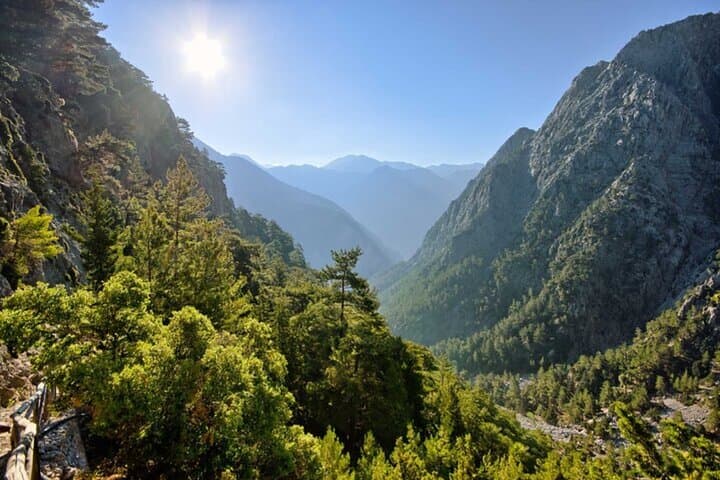
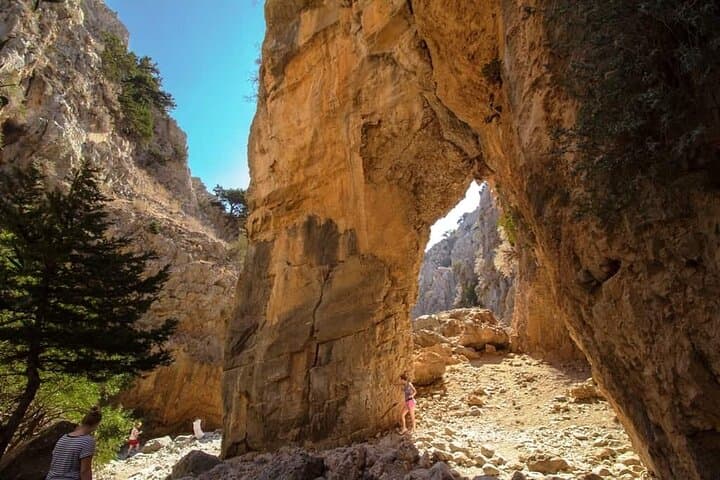
Imbros Gorge is smaller than Samaria but no less dramatic: canyon walls compress to shoulder‑width in places, while elsewhere terraces of limestone open to scrub and walnut trees. Geologically the gorge is a folded, eroded remnant of the White Mountains; water and time have carved channels and potholes that catch sunlight like small mirrors. Cultural history runs thick here—Sfakia’s villages have been places of refuge and resistance for centuries, and the private war museum in the heart of Sfakia brings that legacy close. Weapons, photos and handwritten notes don’t sit behind glass for effect; they read like eyewitness testimony to the island’s WWII defiance.
The route is deliberately paced: a guided walk through Imbros (about 3 hours on the trail portion), a stop at a mountain taverna for optional local dishes—Sfakian pies, wild greens, grilled fish—and an afternoon at Iligas Beach, a sheltered stretch of turquoise ringed by cliffs and small sea caves. Iligas feels private because few tours push this far; the beach’s pebble shore and clear water reward any swimmer who wants to cool down after the canyon’s dusty steps.
Local insight matters. Your host will point out endemic herbs used in Cretan cooking, the stone walls that mark centuries of terraced agriculture, and little chapels tucked above the trail. Support the family‑run tavernas when you can—cash helps remote businesses thrive.
Practical guidance: wear grippy hiking shoes and bring layered clothing—the gorge’s shade holds cooler air while the coastal stretch will be hot. The day is long (about eight hours total); pack snacks and at least 1.5 liters of water per person even though bottled water is provided. The host handles pickups from hotels in the Sfakia/Kissamos area and knows timing intimately; be ready 10 minutes before pickup.
This is a private, flexible day that trades crowds for context—history, geology and a real taste of southern Crete. Whether you want an easy walk with culture or a full‑on exploration with swims and tavernas, Sfakia’s private escape delivers a complete, grounded slice of island life.
moderate.
8 hours.
Suitable for travelers with regular walking fitness; you should be comfortable on uneven ground and sustained uphill/downhill sections
The guided walk through Imbros Gorge typically takes about 2.5–3 hours depending on pace and stops for photos and explanations.
Yes—Imbros is gentler than Samaria and the tour is private and adjustable; however, participants should be steady on uneven terrain.
No; snacks and bottled water are provided, but lunch at a mountain taverna is optional and paid on site.
Yes—small family tavernas sometimes prefer cash for meals and local purchases, and tipping is appreciated.
Pickup is offered from hotels or confirmed nearby points in the Sfakia area; be ready 10 minutes before the scheduled time.
The operator may cancel for poor conditions with a full refund if weather affects safety; you’ll be notified in advance.
Sfakia has a fierce history of independent spirit; the private museum’s WWII artifacts trace local involvement in the island’s resistance and Allied evacuations.
The gorge and coastal habitats are fragile—stay on marked trails, avoid removing plants or shells, and support local businesses to sustain the area.
Heliophilia | Back to Nature operates guided outdoor trips and adventures with an emphasis on safety, stewardship, and memorable experiences.

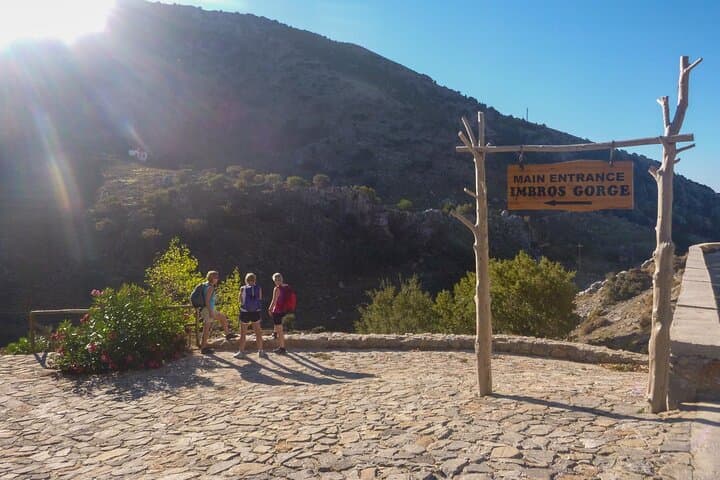
You step out of the van and the air tastes like oregano and salt. The road that brought you here from Chora Sfakion narrows into a stone‑strewn track; behind you the Libyan Sea glints, ahead the canyon mouths into a slice of shadow. A local host greets you with a brisk nod and a map the size of a postcard, and the day begins on Crete’s quieter south coast—where routes still feel earned and every turn has a story.
You step out of the van and the air tastes like oregano and salt. The road that brought you here from Chora Sfakion narrows into a stone‑strewn track; behind you the Libyan Sea glints, ahead the canyon mouths into a slice of shadow. A local host greets you with a brisk nod and a map the size of a postcard, and the day begins on Crete’s quieter south coast—where routes still feel earned and every turn has a story.
Imbros Gorge is smaller than Samaria but no less dramatic: canyon walls compress to shoulder‑width in places, while elsewhere terraces of limestone open to scrub and walnut trees. Geologically the gorge is a folded, eroded remnant of the White Mountains; water and time have carved channels and potholes that catch sunlight like small mirrors. Cultural history runs thick here—Sfakia’s villages have been places of refuge and resistance for centuries, and the private war museum in the heart of Sfakia brings that legacy close. Weapons, photos and handwritten notes don’t sit behind glass for effect; they read like eyewitness testimony to the island’s WWII defiance.
The route is deliberately paced: a guided walk through Imbros (about 3 hours on the trail portion), a stop at a mountain taverna for optional local dishes—Sfakian pies, wild greens, grilled fish—and an afternoon at Iligas Beach, a sheltered stretch of turquoise ringed by cliffs and small sea caves. Iligas feels private because few tours push this far; the beach’s pebble shore and clear water reward any swimmer who wants to cool down after the canyon’s dusty steps.
Local insight matters. Your host will point out endemic herbs used in Cretan cooking, the stone walls that mark centuries of terraced agriculture, and little chapels tucked above the trail. Support the family‑run tavernas when you can—cash helps remote businesses thrive.
Practical guidance: wear grippy hiking shoes and bring layered clothing—the gorge’s shade holds cooler air while the coastal stretch will be hot. The day is long (about eight hours total); pack snacks and at least 1.5 liters of water per person even though bottled water is provided. The host handles pickups from hotels in the Sfakia/Kissamos area and knows timing intimately; be ready 10 minutes before pickup.
This is a private, flexible day that trades crowds for context—history, geology and a real taste of southern Crete. Whether you want an easy walk with culture or a full‑on exploration with swims and tavernas, Sfakia’s private escape delivers a complete, grounded slice of island life.