THE ADVENTURE COLLECTIVE® · Independent discovery and booking for outdoor travel

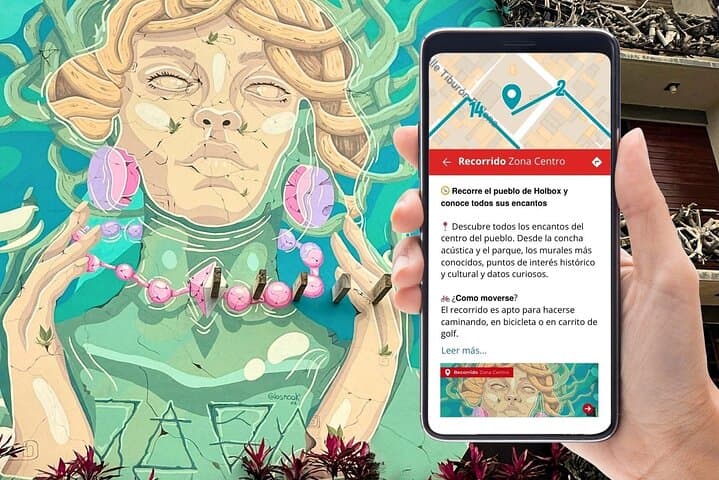
Carry a downloadable interactive map through Holbox’s walkable streets and coastal sandbars. This self-guided route links downtown murals, the acoustic shell, Punta Mosquito sandbanks and Punta Coco sunsets, letting you explore on your own schedule.
Carry a downloadable interactive map through Holbox’s walkable streets and coastal sandbars. This self-guided route links downtown murals, the acoustic shell, Punta Mosquito sandbanks and Punta Coco sunsets, letting you explore on your own schedule.
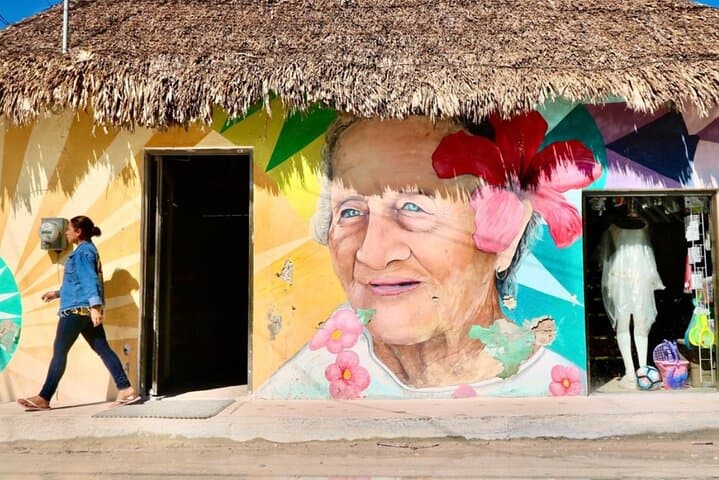
A salt breeze threads through streets that refuse to carry cars: bikes and golf buggies rule here, and the island’s pace is measured in footsteps and sunsets. With the downloadable interactive map in your pocket, the town of Holbox opens like a small, lived-in atlas — a cluster of painted facades, a central plaza where fishermen and café owners exchange the morning’s catch, and narrow sandy lanes that spill toward beaches bright as bone.
Verified experiences and guided adventures in the surrounding area.
Operated by Holbox Self-Guided Experiences · Holbox, Quintana Roo
A salt breeze threads through streets that refuse to carry cars: bikes and golf buggies rule here, and the island’s pace is measured in footsteps and sunsets. With the downloadable interactive map in your pocket, the town of Holbox opens like a small, lived-in atlas — a cluster of painted facades, a central plaza where fishermen and café owners exchange the morning’s catch, and narrow sandy lanes that spill toward beaches bright as bone.
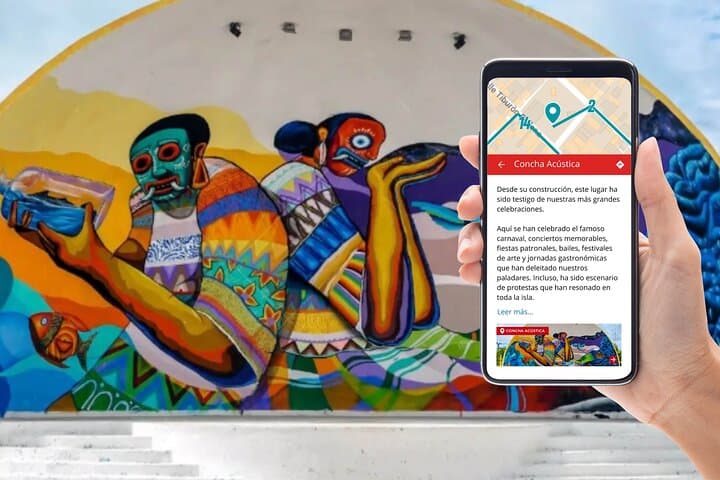
The map leads deliberately: begin at the central square under the acoustic shell, Concha Acústica, where local musicians still perform on humid evenings. From there, stroll mural-lined alleys—each wall a short story in color about island life, migration and marine abundance. Architecture here is simple—low, wooden houses raised on stilts or concrete blocks—evidence of an economy long tied to fishing and the seasonal rhythms of the Caribbean.
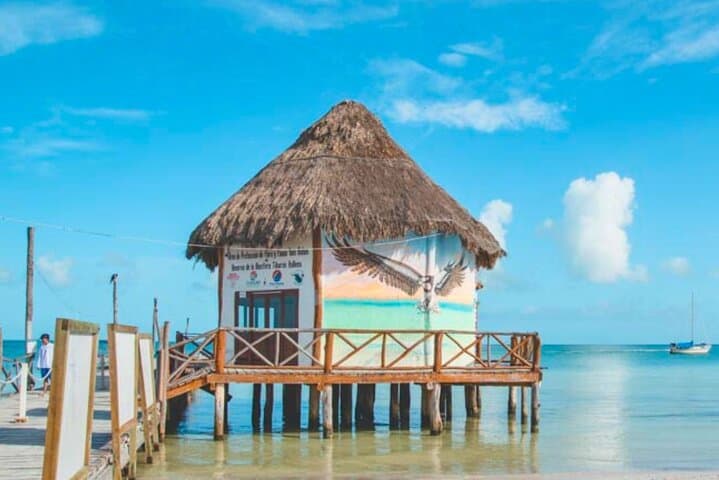
Geologically, Holbox is a swept-up sand island at the northern edge of the Yucatán Peninsula. The signature flatness makes views uninterrupted and light hard to tame; dunes and mangroves frame the island’s quieter edges. Punta Mosquito, a long sandbar reachable by bike or taxi in roughly 30–60 minutes from town, is where the sea dares you to wade—shallow, shifting channels create ephemeral strata of sand and water that photographers and barefoot wanderers favor. Punta Coco sits on the calmer western shore, a low-key spot for evening light and an almost private sunset show.
Culturally, Holbox is a living fishing village that has slowly adapted to tourism. The island still preserves traditional livelihoods: palapa workshops, small-scale boatmen, and markets selling ceviche as cheaply as a smile. The interactive map points out crafts walks, the old lighthouse, and local food stalls around the park so visitors can sample without guessing.
Practical notes: most downtown points sit within a 1–2 km loop on flat sand; plan 60–120 minutes for a focused self-guided tour, longer if you detour to Punta Mosquito or Punta Coco. Download the map before you wander—mobile signal can be patchy around sandbars. Bring water, reef-safe sunscreen, and comfortable shoes that tolerate sand and heat. Early morning and late afternoon deliver cooler temperatures and better light for murals and seascapes.
Respect goes a long way: stick to marked paths on dunes, avoid disturbing birds and mangroves, and carry out your trash. With a good map and a patient stride, Holbox offers intimate encounters with nature and culture—small discoveries that build into the feeling of having walked the island on its own terms.
easy.
1–2 hours (core downtown); add 1–2 hours for Punta Mosquito or Punta Coco.
Suitable for all fitness levels; expect flat walking on sand and short unpaved stretches
The downtown self-guided loop can be done in 60–120 minutes; add 60–120 minutes if you include Punta Mosquito or Punta Coco.
No — the interactive map is compatible with Google Maps and can be downloaded for offline use; download before leaving Wi‑Fi.
Yes. The terrain is flat and short, but bring shade and water; some sandy stretches may be more tiring for very young children or those with mobility limits.
Service animals are allowed; pets may be subject to local rules and should be kept leashed and away from wildlife areas.
Both are reachable by bike, golf buggy taxi, or local mototaxi—expect 20–60 minutes depending on your mode and exact destination.
Yes — the area around the Central Park has food stalls and restaurants; facilities are limited at Punta Mosquito and Punta Coco, so plan accordingly.
Holbox grew from a small Mayan-era and later fishing community; its economy and culture remain closely tied to the sea and seasonal migrations.
Human pressure and plastic waste threaten dunes and mangroves; use reef‑safe products, avoid nesting zones and carry out all trash to protect fragile habitats.
Holbox Self-Guided Experiences operates guided outdoor trips and adventures with an emphasis on safety, stewardship, and memorable experiences.
A salt breeze threads through streets that refuse to carry cars: bikes and golf buggies rule here, and the island’s pace is measured in footsteps and sunsets. With the downloadable interactive map in your pocket, the town of Holbox opens like a small, lived-in atlas — a cluster of painted facades, a central plaza where fishermen and café owners exchange the morning’s catch, and narrow sandy lanes that spill toward beaches bright as bone.
A salt breeze threads through streets that refuse to carry cars: bikes and golf buggies rule here, and the island’s pace is measured in footsteps and sunsets. With the downloadable interactive map in your pocket, the town of Holbox opens like a small, lived-in atlas — a cluster of painted facades, a central plaza where fishermen and café owners exchange the morning’s catch, and narrow sandy lanes that spill toward beaches bright as bone.
The map leads deliberately: begin at the central square under the acoustic shell, Concha Acústica, where local musicians still perform on humid evenings. From there, stroll mural-lined alleys—each wall a short story in color about island life, migration and marine abundance. Architecture here is simple—low, wooden houses raised on stilts or concrete blocks—evidence of an economy long tied to fishing and the seasonal rhythms of the Caribbean.
Geologically, Holbox is a swept-up sand island at the northern edge of the Yucatán Peninsula. The signature flatness makes views uninterrupted and light hard to tame; dunes and mangroves frame the island’s quieter edges. Punta Mosquito, a long sandbar reachable by bike or taxi in roughly 30–60 minutes from town, is where the sea dares you to wade—shallow, shifting channels create ephemeral strata of sand and water that photographers and barefoot wanderers favor. Punta Coco sits on the calmer western shore, a low-key spot for evening light and an almost private sunset show.
Culturally, Holbox is a living fishing village that has slowly adapted to tourism. The island still preserves traditional livelihoods: palapa workshops, small-scale boatmen, and markets selling ceviche as cheaply as a smile. The interactive map points out crafts walks, the old lighthouse, and local food stalls around the park so visitors can sample without guessing.
Practical notes: most downtown points sit within a 1–2 km loop on flat sand; plan 60–120 minutes for a focused self-guided tour, longer if you detour to Punta Mosquito or Punta Coco. Download the map before you wander—mobile signal can be patchy around sandbars. Bring water, reef-safe sunscreen, and comfortable shoes that tolerate sand and heat. Early morning and late afternoon deliver cooler temperatures and better light for murals and seascapes.
Respect goes a long way: stick to marked paths on dunes, avoid disturbing birds and mangroves, and carry out your trash. With a good map and a patient stride, Holbox offers intimate encounters with nature and culture—small discoveries that build into the feeling of having walked the island on its own terms.