THE ADVENTURE COLLECTIVE® · Independent discovery and booking for outdoor travel

From Geneva to the roof of Europe: a self-guided half-day that lets you choose between the vertiginous Aiguille du Midi cable car and the cogwheel train to Mer de Glace. Expect glacier vistas, alpine village time, and flexible departure windows to fit your schedule.
From Geneva to the roof of Europe: a self-guided half-day that lets you choose between the vertiginous Aiguille du Midi cable car and the cogwheel train to Mer de Glace. Expect glacier vistas, alpine village time, and flexible departure windows to fit your schedule.
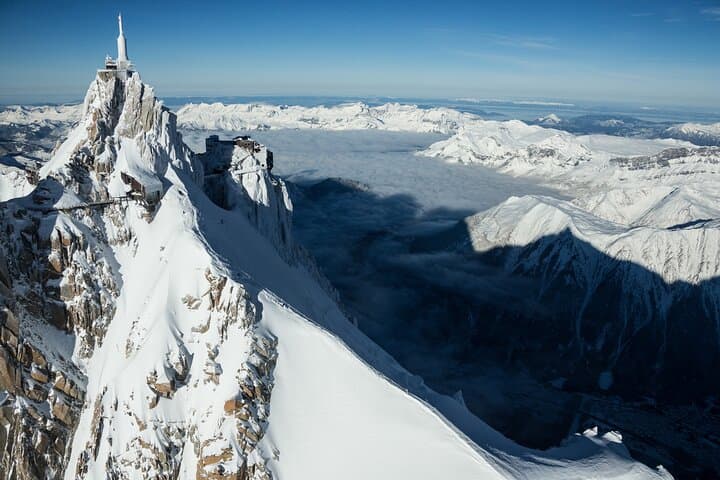
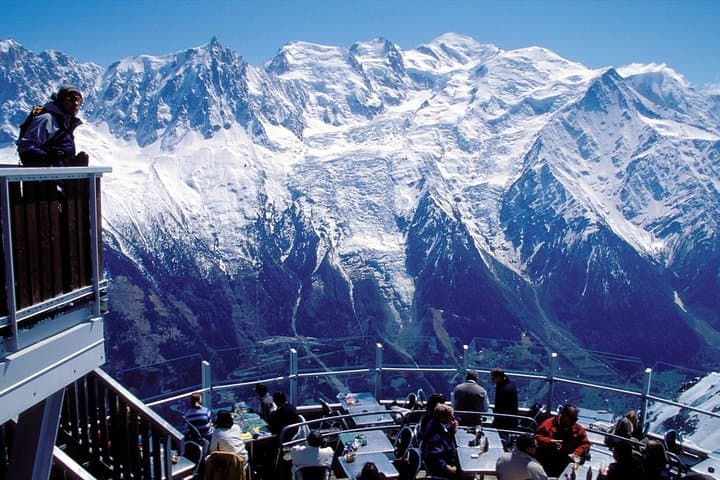
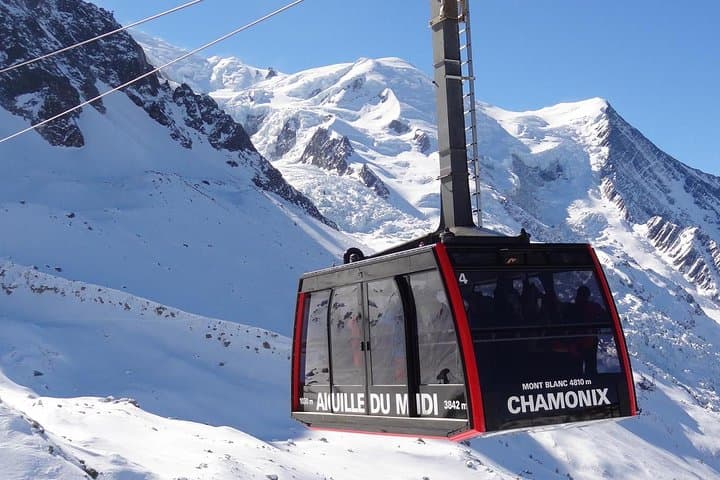
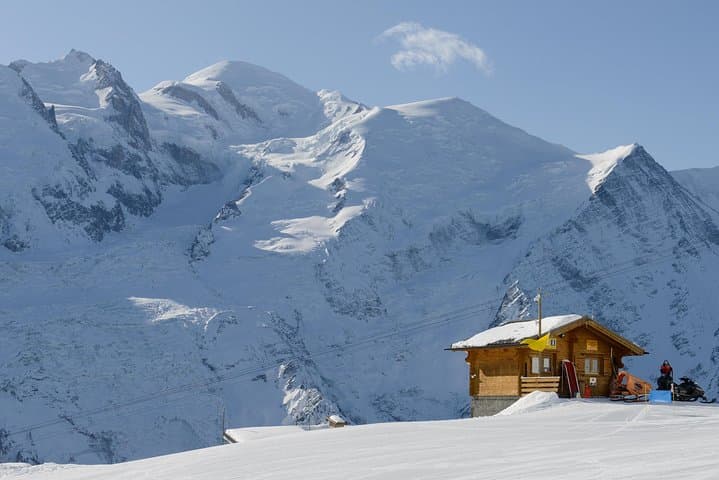
The bus eases out of Geneva with the lake shrinking behind glass and the Alps rising like a promise on the horizon. By the time Chamonix appears—a scatter of slate roofs, church spire and cable car masts—the air tastes colder and cleaner, and the Mont Blanc massif dominates the skyline like an engine of weather. This half-day, self-guided escape hands travelers a simple choice: ride the Aiguille du Midi cable car nearly to the heavens, or take the red cogwheel train to Montenvers and peer down at the Mer de Glace glacier.
Verified experiences and guided adventures in the surrounding area.
Operated by Keytours (Switzerland) · Chamonix, Auvergne-Rhône-Alpes
The bus eases out of Geneva with the lake shrinking behind glass and the Alps rising like a promise on the horizon. By the time Chamonix appears—a scatter of slate roofs, church spire and cable car masts—the air tastes colder and cleaner, and the Mont Blanc massif dominates the skyline like an engine of weather. This half-day, self-guided escape hands travelers a simple choice: ride the Aiguille du Midi cable car nearly to the heavens, or take the red cogwheel train to Montenvers and peer down at the Mer de Glace glacier.
Chamonix’s story is carved in rock and tourism. From the first mountaineers in the 18th century to the tourists of the Belle Époque who built the cog railway, the valley has long been a place where human ambition meets raw geology. Montenvers, opened in 1908, was designed to make the ice readable: you stand on a ledge and see the glacier’s blue heart and the jagged teeth of Les Drus and Grandes Jorasses. Aiguille du Midi, by contrast, is vertical theater—cables and platforms that turn altitude into panoramic comprehension; on exceptionally clear days, even distant peaks in Switzerland and Italy appear like punctuation marks on the horizon.
The geology is blunt and honest. These peaks are a collision—rock shoved high, glacier-carved bowls and moraines telling a century-by-century tale of climate. Locals read weather in wind and cloud, and the Mont Blanc company manages access that can change with season, maintenance, and safety.
For a traveler, the value of this trip is flexibility. The self-guided format means time to wander the village lanes, duck into an alpine café, or spend two hours at the top with cramponed views. Practicality matters: exchanges and multipasses happen at the Keytours office in front of the Geneva bus station; check-in is 10–15 minutes before departure and a passport is required.
Plan for sudden weather, sun and wind at high elevations, and short walks over uneven stone. If you choose Aiguille du Midi, expect thin air and dramatic vantage points; choose Montenvers to study glacier science and the Glaciorium. Bring layered clothing, sturdy footwear, and a compact daypack. Timed departures at 8:15, 10:30 or 12:30 allow travelers to match flights or sleep schedules, but clear weather remains the deciding factor for brilliant views. The trip is an efficient, tactile way to touch the roof of Europe—one that rewards curiosity, preparation, and a willingness to let the mountains change the pace of the day.
moderate.
8–10 hours.
Normal everyday fitness; must be comfortable with short walks on uneven ground and brief periods at altitude.
The full excursion runs about 8–10 hours round-trip, including travel time, free time in Chamonix and any chosen cable car or cog railway options.
Options for the Aiguille du Midi cable car or the Montenvers cog railway to Mer de Glace can be selected; if chosen, admission is provided via a multipass handed out at check-in.
The transfer and village are stroller-accessible, but cable car access is not recommended for children under 3 and some high-altitude platforms may be unsuitable for very young children.
The Mont Blanc company may offer alternative activities but multipasses used for closed services are typically considered used; check local notices and the operator’s policy before travel.
Yes—a current valid passport is required on the day of travel to issue tickets and multipasses.
Basic village sightseeing and the bus transfer are generally accessible, but certain attractions (e.g., high terraces or ice cave access) have limited accessibility—check specific attraction accessibility in advance.
Chamonix rose to prominence in the 18th–19th centuries as alpinism’s cradle; the Montenvers cog railway (1908) was built to give public access to Mer de Glace and popularize glacier study.
Mer de Glace is a visible indicator of glacier retreat; visitors are encouraged to stick to marked trails and support local conservation initiatives that fund glacier monitoring and education.
Keytours (Switzerland) operates guided outdoor trips and adventures with an emphasis on safety, stewardship, and memorable experiences.
The bus eases out of Geneva with the lake shrinking behind glass and the Alps rising like a promise on the horizon. By the time Chamonix appears—a scatter of slate roofs, church spire and cable car masts—the air tastes colder and cleaner, and the Mont Blanc massif dominates the skyline like an engine of weather. This half-day, self-guided escape hands travelers a simple choice: ride the Aiguille du Midi cable car nearly to the heavens, or take the red cogwheel train to Montenvers and peer down at the Mer de Glace glacier.
The bus eases out of Geneva with the lake shrinking behind glass and the Alps rising like a promise on the horizon. By the time Chamonix appears—a scatter of slate roofs, church spire and cable car masts—the air tastes colder and cleaner, and the Mont Blanc massif dominates the skyline like an engine of weather. This half-day, self-guided escape hands travelers a simple choice: ride the Aiguille du Midi cable car nearly to the heavens, or take the red cogwheel train to Montenvers and peer down at the Mer de Glace glacier.
Chamonix’s story is carved in rock and tourism. From the first mountaineers in the 18th century to the tourists of the Belle Époque who built the cog railway, the valley has long been a place where human ambition meets raw geology. Montenvers, opened in 1908, was designed to make the ice readable: you stand on a ledge and see the glacier’s blue heart and the jagged teeth of Les Drus and Grandes Jorasses. Aiguille du Midi, by contrast, is vertical theater—cables and platforms that turn altitude into panoramic comprehension; on exceptionally clear days, even distant peaks in Switzerland and Italy appear like punctuation marks on the horizon.
The geology is blunt and honest. These peaks are a collision—rock shoved high, glacier-carved bowls and moraines telling a century-by-century tale of climate. Locals read weather in wind and cloud, and the Mont Blanc company manages access that can change with season, maintenance, and safety.
For a traveler, the value of this trip is flexibility. The self-guided format means time to wander the village lanes, duck into an alpine café, or spend two hours at the top with cramponed views. Practicality matters: exchanges and multipasses happen at the Keytours office in front of the Geneva bus station; check-in is 10–15 minutes before departure and a passport is required.
Plan for sudden weather, sun and wind at high elevations, and short walks over uneven stone. If you choose Aiguille du Midi, expect thin air and dramatic vantage points; choose Montenvers to study glacier science and the Glaciorium. Bring layered clothing, sturdy footwear, and a compact daypack. Timed departures at 8:15, 10:30 or 12:30 allow travelers to match flights or sleep schedules, but clear weather remains the deciding factor for brilliant views. The trip is an efficient, tactile way to touch the roof of Europe—one that rewards curiosity, preparation, and a willingness to let the mountains change the pace of the day.