THE ADVENTURE COLLECTIVE® · Independent discovery and booking for outdoor travel

Spend six hours moving from Sedona’s red-rock overlooks to Jerome’s mining past and finish with wine tasting in Cottonwood. The private tour blends geology, local history, and a guided Prana viewing claimed by the guide to be a unique, on-demand experience.
Spend six hours moving from Sedona’s red-rock overlooks to Jerome’s mining past and finish with wine tasting in Cottonwood. The private tour blends geology, local history, and a guided Prana viewing claimed by the guide to be a unique, on-demand experience.
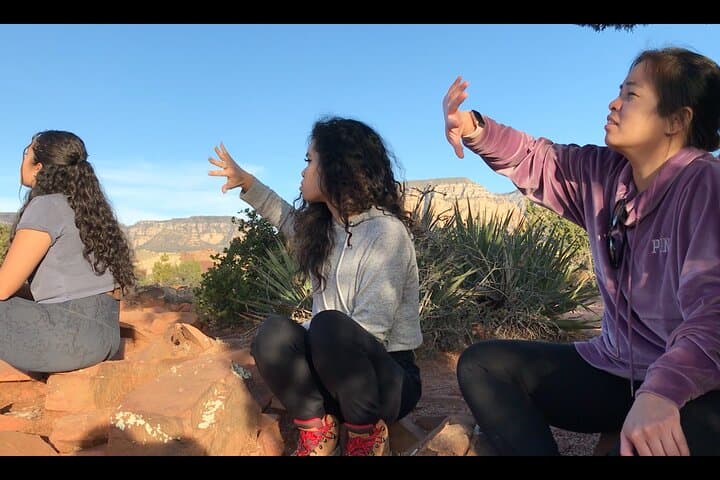
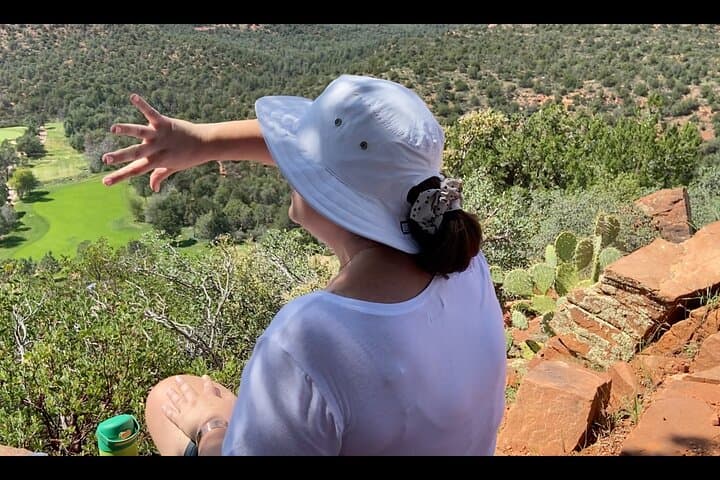
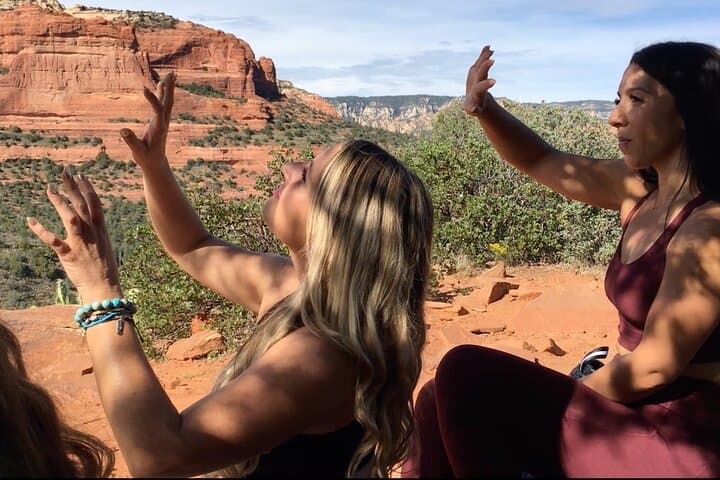
You pull off Highway 89A onto a narrow overlook road and the red-rock skyline of Sedona opens like a scored stage: buttes and fins rimmed in high desert light, an arid wind pulling at your jacket. At the Sedona Airport Overlook the guide points out layers of sandstone carved by rivers and time, then talks quietly about a different current — Prana — a metaphysical phenomenon they say can be seen and felt at certain vortex sites. Whether you come for geology, ghost-town legend, or a glass of Verde Valley wine, the day moves with the landscape: contemplative pauses at viewpoints, lively stories in an old mining town, and a slow unwind at a tasting room in Cottonwood.
Verified experiences and guided adventures in the surrounding area.
Operated by Sedona Wine and Vortex Tours · Sedona, Arizona
You pull off Highway 89A onto a narrow overlook road and the red-rock skyline of Sedona opens like a scored stage: buttes and fins rimmed in high desert light, an arid wind pulling at your jacket. At the Sedona Airport Overlook the guide points out layers of sandstone carved by rivers and time, then talks quietly about a different current — Prana — a metaphysical phenomenon they say can be seen and felt at certain vortex sites. Whether you come for geology, ghost-town legend, or a glass of Verde Valley wine, the day moves with the landscape: contemplative pauses at viewpoints, lively stories in an old mining town, and a slow unwind at a tasting room in Cottonwood.
Geology here is literal and visible. The red sandstone that frames Sedona is Permian Schnebly Hill Formation, tilted and sliced by uplift and erosion; Mingus Mountain and Cleopatra Hill that hold Jerome were born of volcanic and tectonic forces that later concentrated copper and other ores. Jerome’s wooden boarding houses and rusted headframes are the artifacts of a boom-and-bust copper era; the town still reads like a page torn from mining history, with narrow streets clinging to steep slopes.
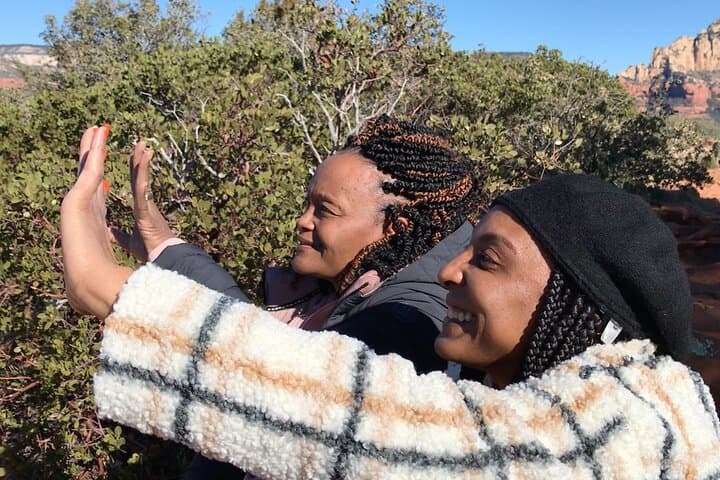
Culture along the route is equally layered. Tlaquepaque Arts & Crafts Village preserves Southwestern craft traditions in a Spanish-style courtyard; Chapel of the Holy Cross, built into a rock spine in the 1950s, offers a modernist counterpoint and a lesson in how faith, architecture, and landscape meet in Sedona. The guide, a long-time local, blends geology with folklore and personal anecdote, and leads a step-by-step Prana viewing session that many past guests describe as striking and memorable — presented here as a cultural phenomenon to experience, not a scientific claim.
Practicalities matter: the tour runs about six hours, is private, and is paced for most fitness levels with short, easy walks at each stop. Bring a government ID if you plan to taste or buy wine in Cottonwood, and expect uneven walkways in historic Jerome. Arizona sun is relentless; hydration and sun protection are more than comfort items — they’re trip essentials.
Plan mornings for softer light at the overlooks and leave late afternoons open for the tasting room where wines from the Verde Valley can be sampled. The tour includes bottled water and parking fees; wine and food at the final stop are usually paid a la carte. If you have cardiovascular issues, mention it when booking — certain overlooks and the Jerome walkways can be steep.
In short, this is a day that trades a single summit for a sequence of distinct moods: red-rock clarity, small-town grit, and vineyard calm. It’s a way to see how Northern Arizona’s geology, history, and living culture stack and steer you through a single, utterly local afternoon.
easy.
5–6 hours.
Suitable for most people in average physical condition; involves short, gentle walks and some stairs or uneven ground in Jerome and at overlooks.
The tour is about six hours total and typically runs in the late morning into late afternoon; exact start times depend on booking and seasonality.
The guide reports a high success rate demonstrating Prana to guests; the tour presents this as a guided cultural and metaphysical experience rather than a scientific experiment.
The itinerary stops in Old Town Cottonwood where tasting options are available; bottled water and parking are included, but wine tastings or purchases are usually paid on-site unless stated otherwise in your booking.
Infants must sit on an adult’s lap; the tour is family-friendly but includes some steep sections and short walks that may be challenging for very young children.
Yes — the tour is offered as a private tour according to the listing details, which allows for a more personalized pace and stops.
For a full refund cancel at least 24 hours before departure; the tour may cancel in bad weather or for insufficient travelers and offers refund terms outlined at booking.
Jerome grew from a 19th-century copper boom into a chaotic mining town; many surviving structures and headframes reflect its resource-driven past and steep-site engineering.
Water is scarce in the desert — carry reusable water when possible and follow Leave No Trace principles; support local preservation groups that protect trails and historic sites.
Sedona Wine and Vortex Tours operates guided outdoor trips and adventures with an emphasis on safety, stewardship, and memorable experiences.
You pull off Highway 89A onto a narrow overlook road and the red-rock skyline of Sedona opens like a scored stage: buttes and fins rimmed in high desert light, an arid wind pulling at your jacket. At the Sedona Airport Overlook the guide points out layers of sandstone carved by rivers and time, then talks quietly about a different current — Prana — a metaphysical phenomenon they say can be seen and felt at certain vortex sites. Whether you come for geology, ghost-town legend, or a glass of Verde Valley wine, the day moves with the landscape: contemplative pauses at viewpoints, lively stories in an old mining town, and a slow unwind at a tasting room in Cottonwood.
You pull off Highway 89A onto a narrow overlook road and the red-rock skyline of Sedona opens like a scored stage: buttes and fins rimmed in high desert light, an arid wind pulling at your jacket. At the Sedona Airport Overlook the guide points out layers of sandstone carved by rivers and time, then talks quietly about a different current — Prana — a metaphysical phenomenon they say can be seen and felt at certain vortex sites. Whether you come for geology, ghost-town legend, or a glass of Verde Valley wine, the day moves with the landscape: contemplative pauses at viewpoints, lively stories in an old mining town, and a slow unwind at a tasting room in Cottonwood.
Geology here is literal and visible. The red sandstone that frames Sedona is Permian Schnebly Hill Formation, tilted and sliced by uplift and erosion; Mingus Mountain and Cleopatra Hill that hold Jerome were born of volcanic and tectonic forces that later concentrated copper and other ores. Jerome’s wooden boarding houses and rusted headframes are the artifacts of a boom-and-bust copper era; the town still reads like a page torn from mining history, with narrow streets clinging to steep slopes.
Culture along the route is equally layered. Tlaquepaque Arts & Crafts Village preserves Southwestern craft traditions in a Spanish-style courtyard; Chapel of the Holy Cross, built into a rock spine in the 1950s, offers a modernist counterpoint and a lesson in how faith, architecture, and landscape meet in Sedona. The guide, a long-time local, blends geology with folklore and personal anecdote, and leads a step-by-step Prana viewing session that many past guests describe as striking and memorable — presented here as a cultural phenomenon to experience, not a scientific claim.
Practicalities matter: the tour runs about six hours, is private, and is paced for most fitness levels with short, easy walks at each stop. Bring a government ID if you plan to taste or buy wine in Cottonwood, and expect uneven walkways in historic Jerome. Arizona sun is relentless; hydration and sun protection are more than comfort items — they’re trip essentials.
Plan mornings for softer light at the overlooks and leave late afternoons open for the tasting room where wines from the Verde Valley can be sampled. The tour includes bottled water and parking fees; wine and food at the final stop are usually paid a la carte. If you have cardiovascular issues, mention it when booking — certain overlooks and the Jerome walkways can be steep.
In short, this is a day that trades a single summit for a sequence of distinct moods: red-rock clarity, small-town grit, and vineyard calm. It’s a way to see how Northern Arizona’s geology, history, and living culture stack and steer you through a single, utterly local afternoon.