THE ADVENTURE COLLECTIVE® · Independent discovery and booking for outdoor travel

Settle into a 90-minute outdoor meditation at Amitabha Stupa in west Sedona, guided by a local instructor who blends science and ritual. Expect a short, easy walk, a 25-minute chakra guided practice, and practical tools to bring meditation home.
Settle into a 90-minute outdoor meditation at Amitabha Stupa in west Sedona, guided by a local instructor who blends science and ritual. Expect a short, easy walk, a 25-minute chakra guided practice, and practical tools to bring meditation home.
Morning light slices the red-rock amphitheater as you settle on a zafu at Amitabha Stupa & Peace Park in west Sedona.
The air carries juniper and sun-warmed sandstone; rock faces seem to breathe, nudging attention toward the present.
A certified mindfulness teacher who has lived in town for two decades guides a 90-minute session that pairs plainspoken instruction with a 25-minute chakra meditation and time for questions.
Geology here is blunt and readable: ancient sandstone layers and iron-stained buttes formed over millions of years, offering wide views and quiet coves that native peoples and later settlers regarded as places of power.
Sedona’s modern spiritual scene grew in part from that landscape and from a long history of Indigenous presence along Oak Creek and canyon rims.
Expect an experience that blends grounded neuroscience-based explanations with ritual practice; the facilitator draws on meditation, math-science training, and ritual skills to keep the teaching accessible.
The walk in is short and easy, so the focus stays on breath and posture rather than a strenuous approach.
Practical notes: meet at the Amitabha Stupa where cushions, blankets and a small follow-up gift are provided; small groups ease personal attention.
Bring water, sun protection, and a light layer—desert temperatures swing quickly.
Shoes with decent tread handle sandy paths; a folding chair or mobility aid can be accommodated with advance notice.
Arrive 10–15 minutes early, carry out all waste, and keep voices low to preserve the park’s calm.
This is low-impact outdoor meditation for both newcomers and seasoned practitioners.
Verified experiences and guided adventures in the surrounding area.
Operated by Sedona Meditation Experiences · Sedona, Arizona
Morning light slices the red-rock amphitheater as you settle on a zafu at Amitabha Stupa & Peace Park in west Sedona.
The air carries juniper and sun-warmed sandstone; rock faces seem to breathe, nudging attention toward the present.
A certified mindfulness teacher who has lived in town for two decades guides a 90-minute session that pairs plainspoken instruction with a 25-minute chakra meditation and time for questions.
Geology here is blunt and readable: ancient sandstone layers and iron-stained buttes formed over millions of years, offering wide views and quiet coves that native peoples and later settlers regarded as places of power.
Sedona’s modern spiritual scene grew in part from that landscape and from a long history of Indigenous presence along Oak Creek and canyon rims.
Expect an experience that blends grounded neuroscience-based explanations with ritual practice; the facilitator draws on meditation, math-science training, and ritual skills to keep the teaching accessible.
The walk in is short and easy, so the focus stays on breath and posture rather than a strenuous approach.
Practical notes: meet at the Amitabha Stupa where cushions, blankets and a small follow-up gift are provided; small groups ease personal attention.
Bring water, sun protection, and a light layer—desert temperatures swing quickly.
Shoes with decent tread handle sandy paths; a folding chair or mobility aid can be accommodated with advance notice.
Arrive 10–15 minutes early, carry out all waste, and keep voices low to preserve the park’s calm.
This is low-impact outdoor meditation for both newcomers and seasoned practitioners.
easy.
1.5 hours (90 minutes).
Suitable for most fitness levels; minimal walking and standing, ability to sit on the ground or request seating recommended
No—this session is designed for beginners and experienced meditators; the leader teaches practical fundamentals and offers guidance during the practice.
Meet at the Amitabha Stupa & Peace Park in west Sedona; booking confirmation includes additional meeting instructions and parking notes.
Yes—hosts can accommodate wheelchairs or mobility aids with advance notice; indicate needs when booking.
The tour may be canceled in poor weather; full refunds are available if you cancel at least 24 hours in advance according to the host policy.
The red-rock landscape has supported Indigenous communities for millennia; Sedona’s modern spiritual tourism developed in the mid-20th century around its striking geology and quiet canyons.
This is a fragile desert environment—stay on durable surfaces, carry out waste, and limit group noise to reduce impact on wildlife and cultural sites.
Sedona Meditation Experiences operates guided outdoor trips and adventures with an emphasis on safety, stewardship, and memorable experiences.
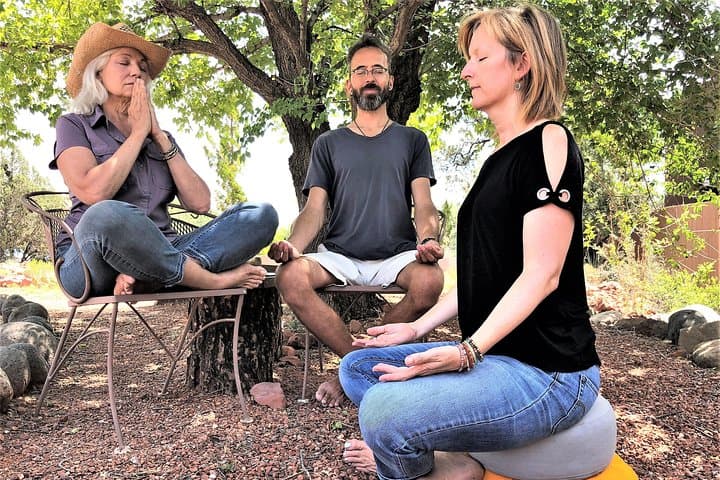
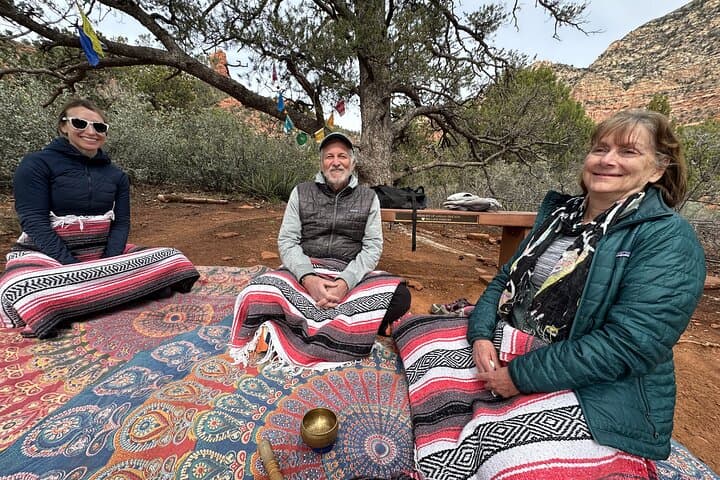
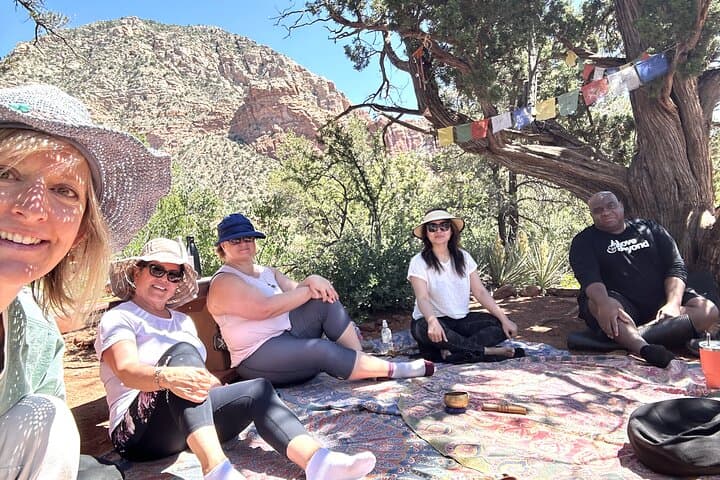
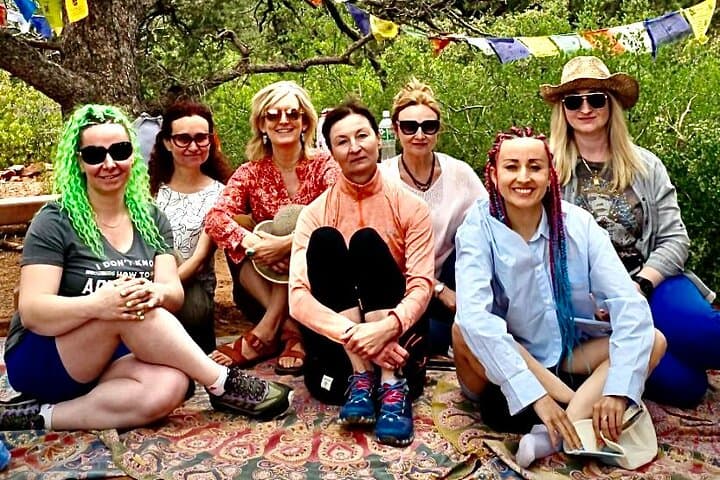
Morning light slices the red-rock amphitheater as you settle on a zafu at Amitabha Stupa & Peace Park in west Sedona.
The air carries juniper and sun-warmed sandstone; rock faces seem to breathe, nudging attention toward the present.
A certified mindfulness teacher who has lived in town for two decades guides a 90-minute session that pairs plainspoken instruction with a 25-minute chakra meditation and time for questions.
Geology here is blunt and readable: ancient sandstone layers and iron-stained buttes formed over millions of years, offering wide views and quiet coves that native peoples and later settlers regarded as places of power.
Sedona’s modern spiritual scene grew in part from that landscape and from a long history of Indigenous presence along Oak Creek and canyon rims.
Expect an experience that blends grounded neuroscience-based explanations with ritual practice; the facilitator draws on meditation, math-science training, and ritual skills to keep the teaching accessible.
The walk in is short and easy, so the focus stays on breath and posture rather than a strenuous approach.
Practical notes: meet at the Amitabha Stupa where cushions, blankets and a small follow-up gift are provided; small groups ease personal attention.
Bring water, sun protection, and a light layer—desert temperatures swing quickly.
Shoes with decent tread handle sandy paths; a folding chair or mobility aid can be accommodated with advance notice.
Arrive 10–15 minutes early, carry out all waste, and keep voices low to preserve the park’s calm.
This is low-impact outdoor meditation for both newcomers and seasoned practitioners.
Morning light slices the red-rock amphitheater as you settle on a zafu at Amitabha Stupa & Peace Park in west Sedona.
The air carries juniper and sun-warmed sandstone; rock faces seem to breathe, nudging attention toward the present.
A certified mindfulness teacher who has lived in town for two decades guides a 90-minute session that pairs plainspoken instruction with a 25-minute chakra meditation and time for questions.
Geology here is blunt and readable: ancient sandstone layers and iron-stained buttes formed over millions of years, offering wide views and quiet coves that native peoples and later settlers regarded as places of power.
Sedona’s modern spiritual scene grew in part from that landscape and from a long history of Indigenous presence along Oak Creek and canyon rims.
Expect an experience that blends grounded neuroscience-based explanations with ritual practice; the facilitator draws on meditation, math-science training, and ritual skills to keep the teaching accessible.
The walk in is short and easy, so the focus stays on breath and posture rather than a strenuous approach.
Practical notes: meet at the Amitabha Stupa where cushions, blankets and a small follow-up gift are provided; small groups ease personal attention.
Bring water, sun protection, and a light layer—desert temperatures swing quickly.
Shoes with decent tread handle sandy paths; a folding chair or mobility aid can be accommodated with advance notice.
Arrive 10–15 minutes early, carry out all waste, and keep voices low to preserve the park’s calm.
This is low-impact outdoor meditation for both newcomers and seasoned practitioners.