THE ADVENTURE COLLECTIVE® · Independent discovery and booking for outdoor travel

Walk Buda’s royal hills with a private guide who weaves medieval history, Ottoman-era curiosities and panoramic viewpoints into a lively 4-hour route. Expect cobbled lanes, steep staircases and photo stops above the Danube.
Walk Buda’s royal hills with a private guide who weaves medieval history, Ottoman-era curiosities and panoramic viewpoints into a lively 4-hour route. Expect cobbled lanes, steep staircases and photo stops above the Danube.
You emerge from the shadow of the Chain Bridge and the Danube pulls your eye westward — a broad ribbon of slate water daring you toward Buda's hillier spine. Within twenty minutes of meeting at the Budapest Eye, the city’s tempo changes: cobblestones replace tram rails, baroque facades give way to fortified walls and stairways that rise like unwritten history.
Verified experiences and guided adventures in the surrounding area.
Operated by Around Budapest · Budapest, Budapest
You emerge from the shadow of the Chain Bridge and the Danube pulls your eye westward — a broad ribbon of slate water daring you toward Buda's hillier spine. Within twenty minutes of meeting at the Budapest Eye, the city’s tempo changes: cobblestones replace tram rails, baroque facades give way to fortified walls and stairways that rise like unwritten history.
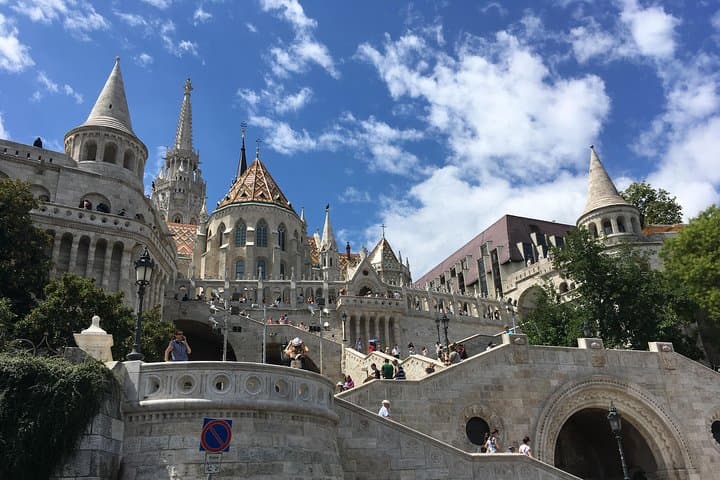
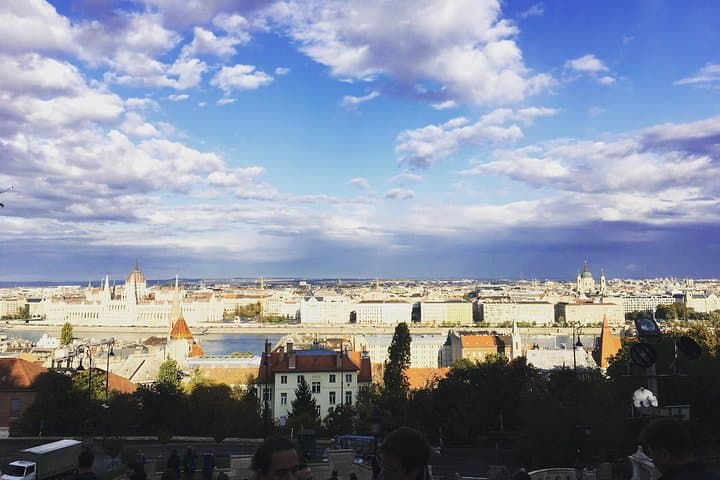
This private four-hour tour threads through the three principal hills of Buda: the quiet terraces around Matthias Church and Fisherman's Bastion, the tucked-away rose garden once tended by the last Ottoman pasha, and the highest ridgeline that knocks the breath clean out of your lungs with a sweep of rooftops and the Danube below.
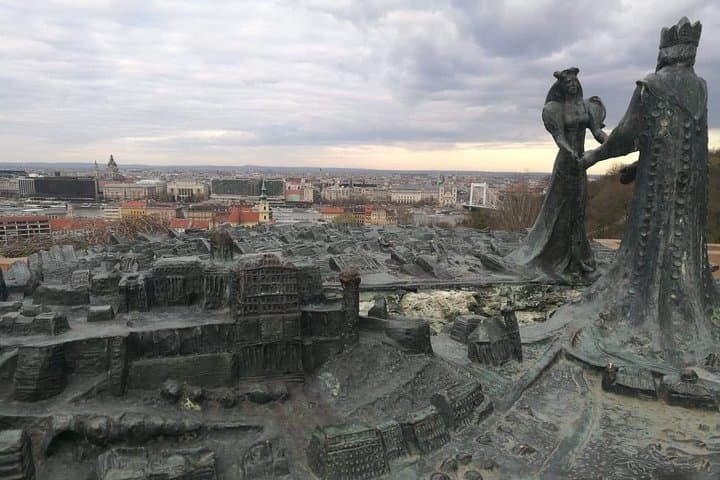
Buda has worn many crowns — medieval royal seat, Ottoman fortress, Habsburg remodel — and the guide stitches those eras together with stories of coronations, sieges and local characters who blurred legend and fact. The stone here is mostly Miocene sandstone and limestone; centuries of weather and human hands have rounded corners and hollowed steps into their present shapes. You’ll cross thresholds where defensive walls still carry cannon scars, and stand where the city’s line-of-sight was once as strategic as any fortress.
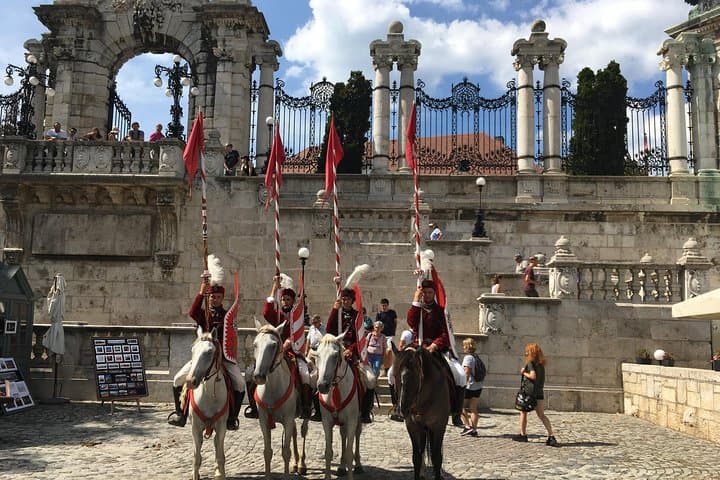
Culture is visible in small details: carved capitals on church columns, wrought-iron street signs, the deliberate way locals pour paprika into a midday stew. Hidden alleys smell of baking and coffee, and the guide points out spots where Budapest filmmakers borrow a medieval mood for modern stories.
Practicalities make this feel less like a museum visit and more like moving through a living town. The route includes moderate walking on uneven cobbles and a handful of steep stair sets; plan for roughly 3–4 hours with stops for photos, stories and a short rest in the rose garden. The tour is private and adaptable — larger groups can request a bigger vehicle — and bottled water plus private transport are included.
Timing matters: late afternoon slants light across the Danube and carves deeper contrast into the bastion’s arcades, while early morning offers cleaner air and fewer crowds. Wear grippy shoes for wet cobbles, bring a compact layer for wind off the river, and carry a charged phone or camera — viewpoints here almost demand a full memory card.
If you want to linger, the guide can point you toward a small local café for chimney cake or the quieter Tabán district for a slower ending. This is a tour that reads like a condensed history lesson but feels like an adventure: the city’s past pushing at your shoulder as you climb, the river waiting below to remind you where it all flows.
easy.
4 hours.
Light to moderate walking ability; comfortable on cobbles and stairs, no technical fitness required
Meet near the Budapest Eye at Erzsébet tér; the tour finishes at the same meeting point unless you request hotel or port drop-off.
Yes — infants and small children can use strollers on flatter sections, though some stair sets are unavoidable; ask about pickup and drop-off accommodations.
Expect about 2–4 miles of walking over cobbles and stairs across roughly four hours, with frequent stops for history and views.
Yes — the operator can arrange a larger vehicle for groups over six; contact the supplier for a custom quote.
This is a sightseeing and storytelling walking tour; admissions to attractions like museums are not included unless specifically arranged.
The tour is offered as a private guided experience; confirm language availability at booking to ensure your preferred language is provided.
Buda was Hungary’s medieval royal seat and later a strategic Ottoman hold; surviving churches and bastions reveal layered shifts in power across centuries.
High foot traffic threatens fragile stone and vegetation on the hills; stick to marked paths, avoid climbing ruins, and support licensed local guides who help manage visitor impact.
Around Budapest operates guided outdoor trips and adventures with an emphasis on safety, stewardship, and memorable experiences.
You emerge from the shadow of the Chain Bridge and the Danube pulls your eye westward — a broad ribbon of slate water daring you toward Buda's hillier spine. Within twenty minutes of meeting at the Budapest Eye, the city’s tempo changes: cobblestones replace tram rails, baroque facades give way to fortified walls and stairways that rise like unwritten history.
You emerge from the shadow of the Chain Bridge and the Danube pulls your eye westward — a broad ribbon of slate water daring you toward Buda's hillier spine. Within twenty minutes of meeting at the Budapest Eye, the city’s tempo changes: cobblestones replace tram rails, baroque facades give way to fortified walls and stairways that rise like unwritten history.
This private four-hour tour threads through the three principal hills of Buda: the quiet terraces around Matthias Church and Fisherman's Bastion, the tucked-away rose garden once tended by the last Ottoman pasha, and the highest ridgeline that knocks the breath clean out of your lungs with a sweep of rooftops and the Danube below.
Buda has worn many crowns — medieval royal seat, Ottoman fortress, Habsburg remodel — and the guide stitches those eras together with stories of coronations, sieges and local characters who blurred legend and fact. The stone here is mostly Miocene sandstone and limestone; centuries of weather and human hands have rounded corners and hollowed steps into their present shapes. You’ll cross thresholds where defensive walls still carry cannon scars, and stand where the city’s line-of-sight was once as strategic as any fortress.
Culture is visible in small details: carved capitals on church columns, wrought-iron street signs, the deliberate way locals pour paprika into a midday stew. Hidden alleys smell of baking and coffee, and the guide points out spots where Budapest filmmakers borrow a medieval mood for modern stories.
Practicalities make this feel less like a museum visit and more like moving through a living town. The route includes moderate walking on uneven cobbles and a handful of steep stair sets; plan for roughly 3–4 hours with stops for photos, stories and a short rest in the rose garden. The tour is private and adaptable — larger groups can request a bigger vehicle — and bottled water plus private transport are included.
Timing matters: late afternoon slants light across the Danube and carves deeper contrast into the bastion’s arcades, while early morning offers cleaner air and fewer crowds. Wear grippy shoes for wet cobbles, bring a compact layer for wind off the river, and carry a charged phone or camera — viewpoints here almost demand a full memory card.
If you want to linger, the guide can point you toward a small local café for chimney cake or the quieter Tabán district for a slower ending. This is a tour that reads like a condensed history lesson but feels like an adventure: the city’s past pushing at your shoulder as you climb, the river waiting below to remind you where it all flows.