THE ADVENTURE COLLECTIVE® · Independent discovery and booking for outdoor travel

Dive into the Sea of Cortez at Cabo Pulmo and swim through one of North America’s few living coral reefs. This half-day scuba trip pairs clear water, dense marine life, and a conservation success story — ideal for certified divers who want vivid underwater encounters.
Dive into the Sea of Cortez at Cabo Pulmo and swim through one of North America’s few living coral reefs. This half-day scuba trip pairs clear water, dense marine life, and a conservation success story — ideal for certified divers who want vivid underwater encounters.
You step off a low-profile dive boat and the Sea of Cortez opens like a cool, breathing world. The surface shimmers turquoise; below, ledges of stony coral tumble into blue. On the ride out the captain points to the shoreline of Cabo Pulmo — a thin ribbon of sand and low houses where the village seems to watch the ocean like a careful neighbor. The water here doesn't promise private calm so much as presence: currents that move life through the reef and visibility that dares you to look farther.
Verified experiences and guided adventures in the surrounding area.
Operated by Tours cabo s de rl · Cabo Pulmo, Baja California Sur
You step off a low-profile dive boat and the Sea of Cortez opens like a cool, breathing world. The surface shimmers turquoise; below, ledges of stony coral tumble into blue. On the ride out the captain points to the shoreline of Cabo Pulmo — a thin ribbon of sand and low houses where the village seems to watch the ocean like a careful neighbor. The water here doesn't promise private calm so much as presence: currents that move life through the reef and visibility that dares you to look farther.
Geology and history press on from the first fin stroke. Cabo Pulmo sits on a fault line where tectonic motion has raised ancient seabed into channels, creating a mix of rocky outcrops and sandy flats that corals colonized. The national marine park, established in the mid-1990s, is one of the few remaining living coral reefs on the North American continental shelf. Local fishers and conservationists fought to protect it; today the reef’s recovery — from depleted to thriving — is one of the clearest success stories in marine management.
Culture here is small and direct. The village of Cabo Pulmo is more fishing community than resort town; menus are fresh, conversations are about tides, and the rhythm of the day still follows the water. Guides are often bilingual and grounded in practical experience: they know when currents will tighten, which ledges shelter turtles, and where schools of jacks might sweep by like a shadow wave.
Practical guidance: this is a half-day dive program (around 5 hours) run from Los Cabos-area launch points. Expect two boat dives into protected channels and coral gardens; visibility is commonly excellent, and water temperatures vary seasonally. Certified divers should bring proof of certification; operators may accept guided introductory dives for non-certified participants, but check in advance.
Fitness and skills: divers should have at least a moderate level of fitness and comfort with open-ocean conditions. Equalization, basic buoyancy control, and comfort with surface intervals are necessary. Dress for on-deck sun and wind — the boat can be cool before and after dives, and strong sun beats down between descents.
Logistics and etiquette: pack reef-safe sunscreen, a tight-fitting mask, and a backup shore towel. Respect no-touch rules and let cameras and strobes be your distance; the reef’s recovery depends on small behaviors from thousands of visitors.
Cabo Pulmo rewards restraint: look, photograph, and leave the reef better than you found it. When a sea turtle slips past a coral boulder or a manta arcs in the blue, you’ll understand why this reef is worth the trip.
moderate.
5 hours.
Moderate fitness; comfortable with boat transfers, surface swims, and repeated descents
Yes — certified divers must present proof of certification; some operators can arrange guided introductory dives for non-certified guests but you should confirm in advance.
The experience is approximately 5 hours with two boat dives into Cabo Pulmo National Marine Park.
Water temperatures range seasonally from about 22–28°C (72–82°F); visibility is often excellent, commonly 15–30 meters depending on conditions.
Channels around the reef can have currents; guides plan sites and briefings to match conditions to diver skill levels.
Most operators supply standard scuba gear; bring personal items like masks, dive computers, and any prescription gear for comfort.
Yes — high visibility and abundant life make it ideal for wide-angle reef photography; bring a strobe for color at depth.
Cabo Pulmo was designated a national marine park in the 1990s after local fishers led efforts to protect the reef; protections allowed fish biomass to recover dramatically.
The park is a community-driven conservation success; visitors should follow no-touch rules, use reef-safe sunscreen, and avoid anchoring on coral.
Tours cabo s de rl operates guided outdoor trips and adventures with an emphasis on safety, stewardship, and memorable experiences.
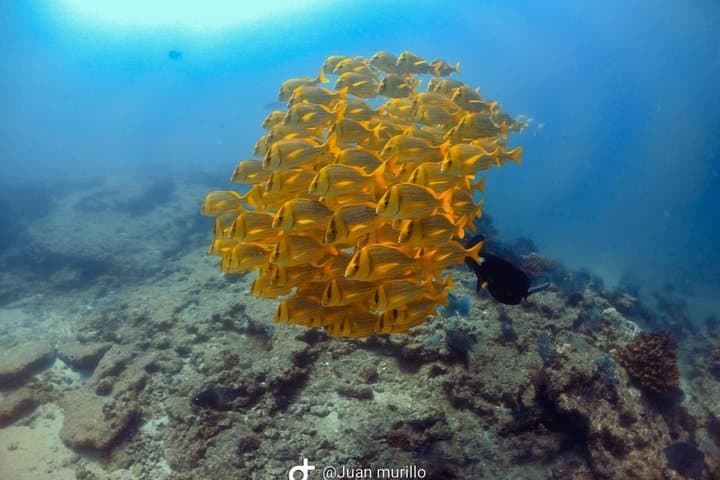
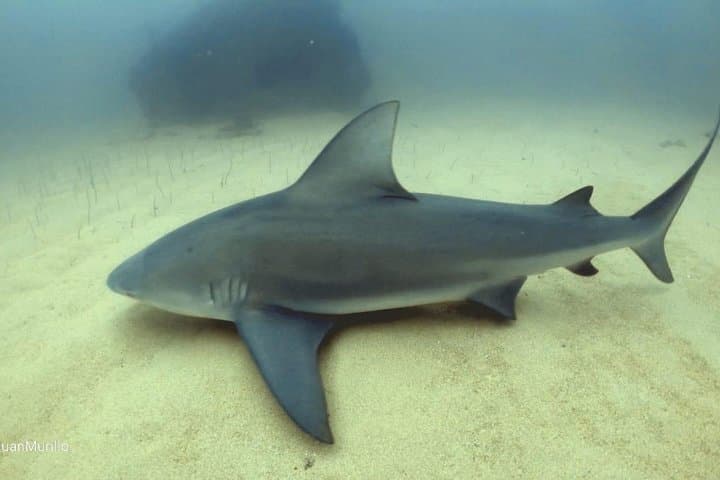
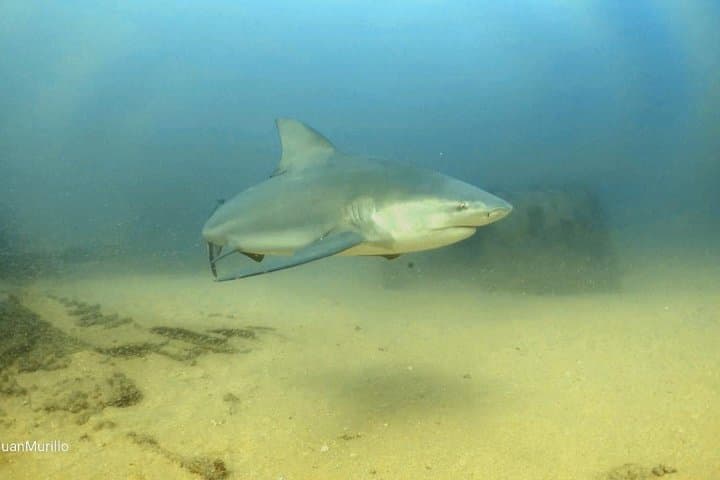
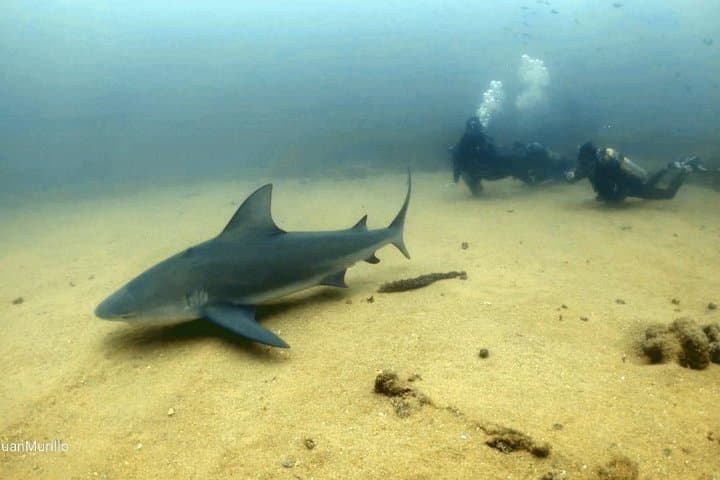
You step off a low-profile dive boat and the Sea of Cortez opens like a cool, breathing world. The surface shimmers turquoise; below, ledges of stony coral tumble into blue. On the ride out the captain points to the shoreline of Cabo Pulmo — a thin ribbon of sand and low houses where the village seems to watch the ocean like a careful neighbor. The water here doesn't promise private calm so much as presence: currents that move life through the reef and visibility that dares you to look farther.
You step off a low-profile dive boat and the Sea of Cortez opens like a cool, breathing world. The surface shimmers turquoise; below, ledges of stony coral tumble into blue. On the ride out the captain points to the shoreline of Cabo Pulmo — a thin ribbon of sand and low houses where the village seems to watch the ocean like a careful neighbor. The water here doesn't promise private calm so much as presence: currents that move life through the reef and visibility that dares you to look farther.
Geology and history press on from the first fin stroke. Cabo Pulmo sits on a fault line where tectonic motion has raised ancient seabed into channels, creating a mix of rocky outcrops and sandy flats that corals colonized. The national marine park, established in the mid-1990s, is one of the few remaining living coral reefs on the North American continental shelf. Local fishers and conservationists fought to protect it; today the reef’s recovery — from depleted to thriving — is one of the clearest success stories in marine management.
Culture here is small and direct. The village of Cabo Pulmo is more fishing community than resort town; menus are fresh, conversations are about tides, and the rhythm of the day still follows the water. Guides are often bilingual and grounded in practical experience: they know when currents will tighten, which ledges shelter turtles, and where schools of jacks might sweep by like a shadow wave.
Practical guidance: this is a half-day dive program (around 5 hours) run from Los Cabos-area launch points. Expect two boat dives into protected channels and coral gardens; visibility is commonly excellent, and water temperatures vary seasonally. Certified divers should bring proof of certification; operators may accept guided introductory dives for non-certified participants, but check in advance.
Fitness and skills: divers should have at least a moderate level of fitness and comfort with open-ocean conditions. Equalization, basic buoyancy control, and comfort with surface intervals are necessary. Dress for on-deck sun and wind — the boat can be cool before and after dives, and strong sun beats down between descents.
Logistics and etiquette: pack reef-safe sunscreen, a tight-fitting mask, and a backup shore towel. Respect no-touch rules and let cameras and strobes be your distance; the reef’s recovery depends on small behaviors from thousands of visitors.
Cabo Pulmo rewards restraint: look, photograph, and leave the reef better than you found it. When a sea turtle slips past a coral boulder or a manta arcs in the blue, you’ll understand why this reef is worth the trip.