THE ADVENTURE COLLECTIVE® · Independent discovery and booking for outdoor travel

Follow the Una from Sarajevo to Bihać on a five-day route of waterfalls, Ottoman-era towns, and a day trip to Plitvice. This guided expedition pairs dramatic karst riverscapes with cultural stops and practical logistics for a compact, adventure-forward escape.
Follow the Una from Sarajevo to Bihać on a five-day route of waterfalls, Ottoman-era towns, and a day trip to Plitvice. This guided expedition pairs dramatic karst riverscapes with cultural stops and practical logistics for a compact, adventure-forward escape.
The bus eases out of Sarajevo before dawn, headlights cutting through the valley fog as the city falls away and the road climbs toward karst country. By late morning the air tastes of wet stone and pine; the Una River appears like a ribbon of turquoise, hurrying and calm by turns, daring you closer. In Bihać the town unfolds along the riverbank — narrow streets, a handsomely scarred Captain’s Tower, and the Girl on the Una statue watching the current like a companion.
Verified experiences and guided adventures in the surrounding area.
Operated by Balkland · Bihać, Federation of Bosnia and Herzegovina
The bus eases out of Sarajevo before dawn, headlights cutting through the valley fog as the city falls away and the road climbs toward karst country. By late morning the air tastes of wet stone and pine; the Una River appears like a ribbon of turquoise, hurrying and calm by turns, daring you closer. In Bihać the town unfolds along the riverbank — narrow streets, a handsomely scarred Captain’s Tower, and the Girl on the Una statue watching the current like a companion.
This five-day itinerary stitches scenic driving with local history, waterfall visits, and a day trip across the border to Croatia’s Plitvice Lakes. The Una’s limestone bed produces dramatic cascades: Štrbački buk thunders with plumes of spray, while Milančev buk fans into quieter terraces near Martin Brod. Plitvice, a UNESCO site, offers a contrast — boardwalk routes threading lakes that change color with the light.
The region is a crossroads. Ottoman mosques and Austro-Hungarian facades sit within walking distance of modern cafés; AVNOJ Museum recalls wartime politics that shaped 20th-century Yugoslavia; monasteries like Rmanj date back centuries and still quietly preside over river bends. Geologically, the Una is born of karst aquifers — water that has carved its way through limestone for millennia, folding streamlets into emerald basins.
On the water and in town, the rhythm is practical: wear sturdy shoes for slippery viewpoints, bring a light waterproof layer for waterfall spray, and carry local currency as some small vendors still prefer cash. Guides will handle logistics and border paper for the short Plitvice crossing, but passport and any necessary visas are required.
Plan mornings for waterfalls and vantage points — light from the east lifts the falls’ mist. Afternoons suit village walks and lunches of ćevapi and local trout. Hydrate on summer days; in shoulder seasons, expect colder water breezes and fewer crowds. The tour is organized as private with hotel pickups, four breakfasts, three dinners, and onboard Wi‑Fi, making it a straightforward way to see a concentrated sweep of Bosnian river country.
For photographers, the Una rewards patience: slow shutter at Štrbački buk, tight compositions of river curves framed by chestnut trees, and town scenes where minarets and bell towers puncture the skyline. Respect the river: stay on marked paths, avoid swimming in fast currents, and leave the flora and historic mills as you found them. When the last dinner closes in Bihać, the river keeps moving — indifferent, insistent, and somehow generous, inviting another return.
moderate.
5 days.
Moderate — able to handle several hours of light walking and short hikes on uneven terrain each day
Yes — Plitvice is in Croatia, so bring a valid passport; check visa requirements for your nationality before travel.
Expect short guided walks and sightseeing of 1–3 hours daily with occasional steeper sections at waterfall viewpoints.
Yes — the tour notes stroller accessibility and is family-friendly, but waterfall paths may be uneven and require carrying small children in places.
The itinerary includes four breakfasts and three dinners; lunches and some snacks are typically at your own expense unless specified.
Yes — the operator asks for special requirements during booking; inform them in advance to arrange appropriate meals.
Full refund if canceled at least 24 hours prior; the operator may cancel for bad weather or insufficient travelers and offers standard refund terms.
Bihać and the Una Valley reflect Ottoman, Austro-Hungarian, and Yugoslav layers — the AVNOJ Museum and Captain's Tower speak to the region’s strategic and cultural past.
The Una flows through sensitive karst ecosystems and cross-border protected areas; stick to paths, avoid disturbing wildlife, and support local conservation initiatives.
Balkland operates guided outdoor trips and adventures with an emphasis on safety, stewardship, and memorable experiences.
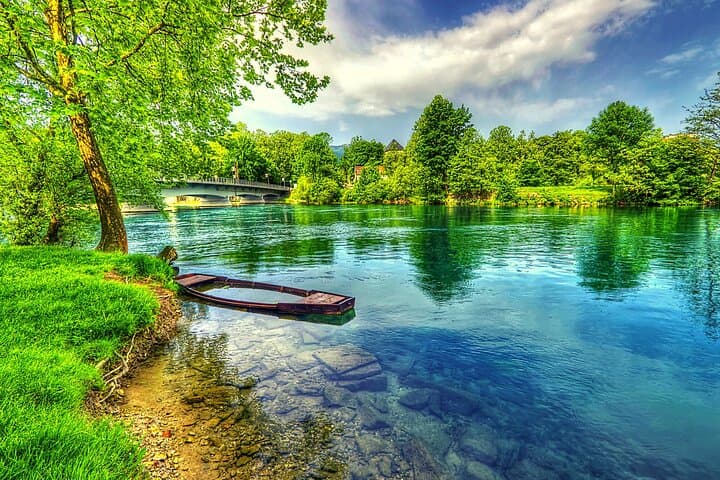
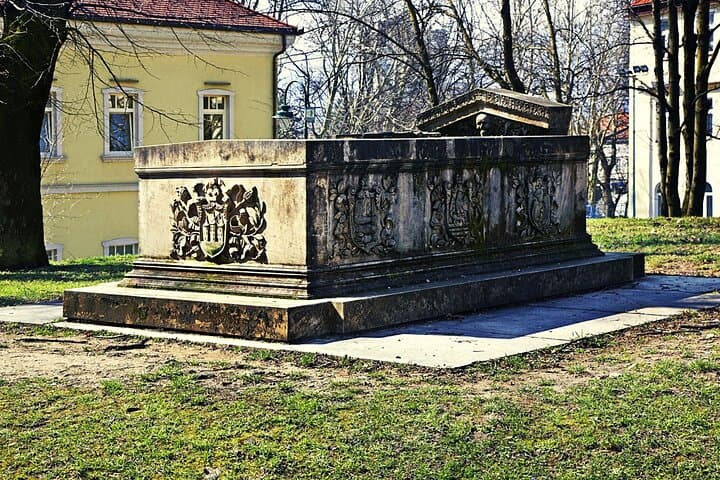
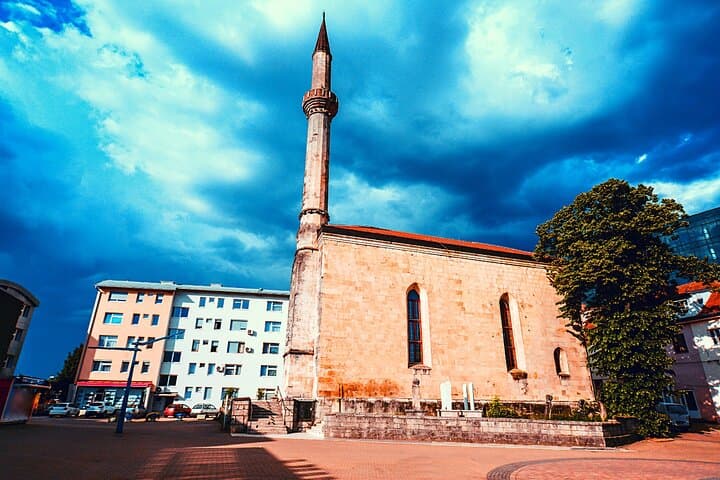
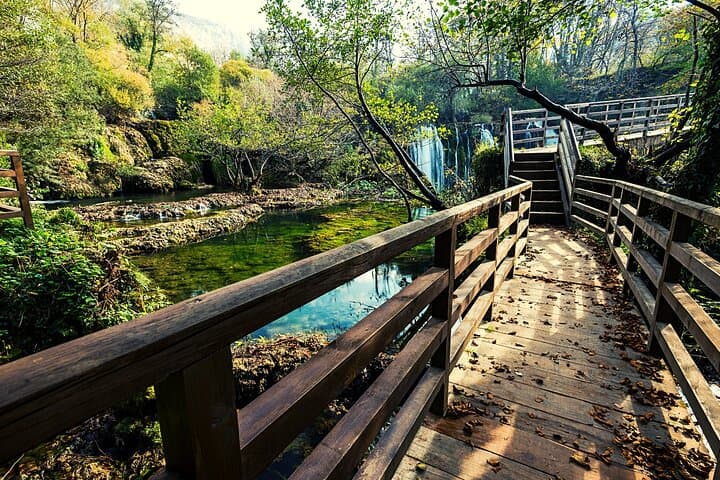
The bus eases out of Sarajevo before dawn, headlights cutting through the valley fog as the city falls away and the road climbs toward karst country. By late morning the air tastes of wet stone and pine; the Una River appears like a ribbon of turquoise, hurrying and calm by turns, daring you closer. In Bihać the town unfolds along the riverbank — narrow streets, a handsomely scarred Captain’s Tower, and the Girl on the Una statue watching the current like a companion.
The bus eases out of Sarajevo before dawn, headlights cutting through the valley fog as the city falls away and the road climbs toward karst country. By late morning the air tastes of wet stone and pine; the Una River appears like a ribbon of turquoise, hurrying and calm by turns, daring you closer. In Bihać the town unfolds along the riverbank — narrow streets, a handsomely scarred Captain’s Tower, and the Girl on the Una statue watching the current like a companion.
This five-day itinerary stitches scenic driving with local history, waterfall visits, and a day trip across the border to Croatia’s Plitvice Lakes. The Una’s limestone bed produces dramatic cascades: Štrbački buk thunders with plumes of spray, while Milančev buk fans into quieter terraces near Martin Brod. Plitvice, a UNESCO site, offers a contrast — boardwalk routes threading lakes that change color with the light.
The region is a crossroads. Ottoman mosques and Austro-Hungarian facades sit within walking distance of modern cafés; AVNOJ Museum recalls wartime politics that shaped 20th-century Yugoslavia; monasteries like Rmanj date back centuries and still quietly preside over river bends. Geologically, the Una is born of karst aquifers — water that has carved its way through limestone for millennia, folding streamlets into emerald basins.
On the water and in town, the rhythm is practical: wear sturdy shoes for slippery viewpoints, bring a light waterproof layer for waterfall spray, and carry local currency as some small vendors still prefer cash. Guides will handle logistics and border paper for the short Plitvice crossing, but passport and any necessary visas are required.
Plan mornings for waterfalls and vantage points — light from the east lifts the falls’ mist. Afternoons suit village walks and lunches of ćevapi and local trout. Hydrate on summer days; in shoulder seasons, expect colder water breezes and fewer crowds. The tour is organized as private with hotel pickups, four breakfasts, three dinners, and onboard Wi‑Fi, making it a straightforward way to see a concentrated sweep of Bosnian river country.
For photographers, the Una rewards patience: slow shutter at Štrbački buk, tight compositions of river curves framed by chestnut trees, and town scenes where minarets and bell towers puncture the skyline. Respect the river: stay on marked paths, avoid swimming in fast currents, and leave the flora and historic mills as you found them. When the last dinner closes in Bihać, the river keeps moving — indifferent, insistent, and somehow generous, inviting another return.