THE ADVENTURE COLLECTIVE® · Independent discovery and booking for outdoor travel

Escape Kathmandu’s bustle with a day hike from the ancient town of Sankhu to Manichur. Journey through historic villages, forested trails, and hilltop views while exploring century-old temples and traditional Newari culture.
Escape Kathmandu’s bustle with a day hike from the ancient town of Sankhu to Manichur. Journey through historic villages, forested trails, and hilltop views while exploring century-old temples and traditional Newari culture.
Morning light spills into Sankhu, a centuries-old Newari town where cobbled streets hum quietly before the day’s bustle. This hike begins here, just 17 kilometers east of Kathmandu—a breath away from the city’s noise and pollution. The trail curls upward from the famous Vajrayogini Temple, an intricate 17th-century monument built by King Prakash Malla. The stone guardian faces you as you start the climb, framing a path that will thread through traditional villages and dense forest patches, rising steadily toward Manichur.
Verified experiences and guided adventures in the surrounding area.
Operated by Osho world Adventure · Kathmandu, Bagmati Province
Morning light spills into Sankhu, a centuries-old Newari town where cobbled streets hum quietly before the day’s bustle. This hike begins here, just 17 kilometers east of Kathmandu—a breath away from the city’s noise and pollution. The trail curls upward from the famous Vajrayogini Temple, an intricate 17th-century monument built by King Prakash Malla. The stone guardian faces you as you start the climb, framing a path that will thread through traditional villages and dense forest patches, rising steadily toward Manichur.
Sankhu’s rich history lingers in the wooden windows and carved doors of its temples and houses, offering a glimpse into a trade route once vital for journeys linking Kathmandu with Tibet. The trail reflects that heritage, weaving through small hamlets where daily life feels uninterrupted by modernity. Seasonal crops sway along the way, and the jungle here has a presence — tree branches whisper, and occasional birds call out, asserting their watch over the hillside.
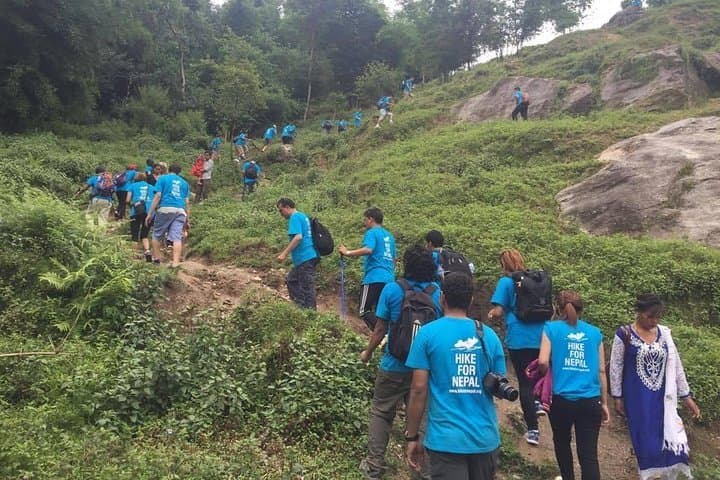
The hike itself is roughly 5.5 kilometers long with an elevation gain close to 600 meters. The terrain undulates over dirt paths and rocky patches, requiring moderate fitness and surefootedness. The climb takes about three hours, demanding steady pacing but delivering consistent rewards: distant views of Kathmandu’s valley, the bold outline of surrounding Himalayan foothills, and the rustle of forest leaves that seem to nudge you forward.
Upon reaching the summit near Manichur, groups often gather for a brief introduction to local culture before descending. The return trail winds down through forest and scattered farmsteads, about two hours in duration, giving muscles a chance to loosen and eyes a fresh angle on the landscape.
For travelers based in Kathmandu, the hike’s accessibility is a major draw, combined with private transportation offered from hotels like Dom Himalaya. Snacks are provided en route, but carrying additional water is advised. Footwear with firm grip and layered clothing prepare hikers for the day’s temperature shifts—cool mornings warming into bright afternoons.
This route balances heritage and nature with active exploration, making it an ideal day trip for those who want to step off the beaten track without venturing far. It’s not just a hike but an invitation to engage with Nepal’s living history, framed by hillside forests that refuse to be mere background scenery—they challenge, shelter, and accompany your ascent.
Plan to start early to avoid midday heat and to catch the soft morning glow on the temples’ carved facades. The trail’s moderate challenge demands attention but offers ample opportunity to soak in the quiet pulse of the Kathmandu valley’s eastern edges.
moderate.
5–6 hours.
Moderate fitness required for steady uphill walking and some uneven terrain
The round-trip hike covers approximately 11 kilometers, including ascent and descent, taking about 5 to 6 hours total.
The trail gains roughly 600 meters in elevation from Sankhu to Manichur, with steady uphill sections.
It is moderately challenging, recommended for those with some hiking experience and good physical fitness.
Yes, private guided hikes and group tours can be arranged starting from Kathmandu with transportation included.
Key sites include the 17th-century Vajrayogini Temple in Sankhu and traditional Newari villages with historic architecture.
Bring water, sturdy footwear, sun protection, weather-appropriate layers, and snacks, although some are often provided by tour operators.
Sankhu served as a key stop on the old trade route connecting Kathmandu and Lhasa, reflecting centuries of cultural exchange and commerce.
The trail passes through community-managed forests focused on sustainable practices that protect biodiversity and support local livelihoods.
Osho world Adventure operates guided outdoor trips and adventures with an emphasis on safety, stewardship, and memorable experiences.
Morning light spills into Sankhu, a centuries-old Newari town where cobbled streets hum quietly before the day’s bustle. This hike begins here, just 17 kilometers east of Kathmandu—a breath away from the city’s noise and pollution. The trail curls upward from the famous Vajrayogini Temple, an intricate 17th-century monument built by King Prakash Malla. The stone guardian faces you as you start the climb, framing a path that will thread through traditional villages and dense forest patches, rising steadily toward Manichur.
Morning light spills into Sankhu, a centuries-old Newari town where cobbled streets hum quietly before the day’s bustle. This hike begins here, just 17 kilometers east of Kathmandu—a breath away from the city’s noise and pollution. The trail curls upward from the famous Vajrayogini Temple, an intricate 17th-century monument built by King Prakash Malla. The stone guardian faces you as you start the climb, framing a path that will thread through traditional villages and dense forest patches, rising steadily toward Manichur.
Sankhu’s rich history lingers in the wooden windows and carved doors of its temples and houses, offering a glimpse into a trade route once vital for journeys linking Kathmandu with Tibet. The trail reflects that heritage, weaving through small hamlets where daily life feels uninterrupted by modernity. Seasonal crops sway along the way, and the jungle here has a presence — tree branches whisper, and occasional birds call out, asserting their watch over the hillside.
The hike itself is roughly 5.5 kilometers long with an elevation gain close to 600 meters. The terrain undulates over dirt paths and rocky patches, requiring moderate fitness and surefootedness. The climb takes about three hours, demanding steady pacing but delivering consistent rewards: distant views of Kathmandu’s valley, the bold outline of surrounding Himalayan foothills, and the rustle of forest leaves that seem to nudge you forward.
Upon reaching the summit near Manichur, groups often gather for a brief introduction to local culture before descending. The return trail winds down through forest and scattered farmsteads, about two hours in duration, giving muscles a chance to loosen and eyes a fresh angle on the landscape.
For travelers based in Kathmandu, the hike’s accessibility is a major draw, combined with private transportation offered from hotels like Dom Himalaya. Snacks are provided en route, but carrying additional water is advised. Footwear with firm grip and layered clothing prepare hikers for the day’s temperature shifts—cool mornings warming into bright afternoons.
This route balances heritage and nature with active exploration, making it an ideal day trip for those who want to step off the beaten track without venturing far. It’s not just a hike but an invitation to engage with Nepal’s living history, framed by hillside forests that refuse to be mere background scenery—they challenge, shelter, and accompany your ascent.
Plan to start early to avoid midday heat and to catch the soft morning glow on the temples’ carved facades. The trail’s moderate challenge demands attention but offers ample opportunity to soak in the quiet pulse of the Kathmandu valley’s eastern edges.