THE ADVENTURE COLLECTIVE® · Independent discovery and booking for outdoor travel

Spend a full day crossing the Samana peninsula: an all-terrain transfer into jungle, a horseback approach to Cascada El Limón, a Dominican ranch lunch with bay views, and a relaxed beach finish. This 13-hour itinerary packs geology, culture and wildlife into one memorable loop.
Spend a full day crossing the Samana peninsula: an all-terrain transfer into jungle, a horseback approach to Cascada El Limón, a Dominican ranch lunch with bay views, and a relaxed beach finish. This 13-hour itinerary packs geology, culture and wildlife into one memorable loop.
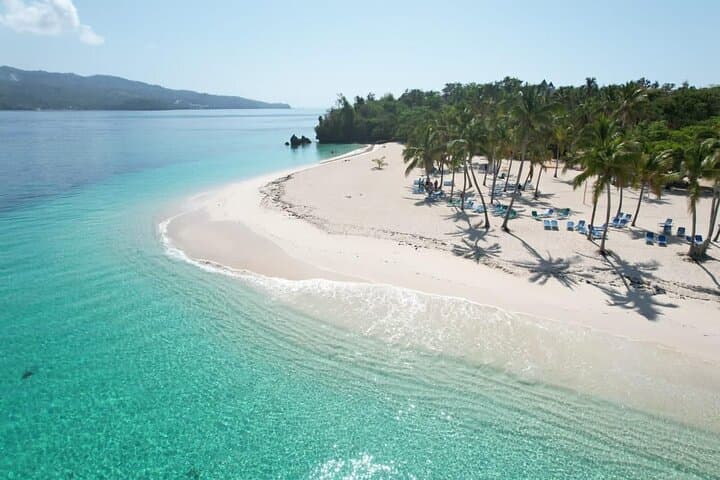
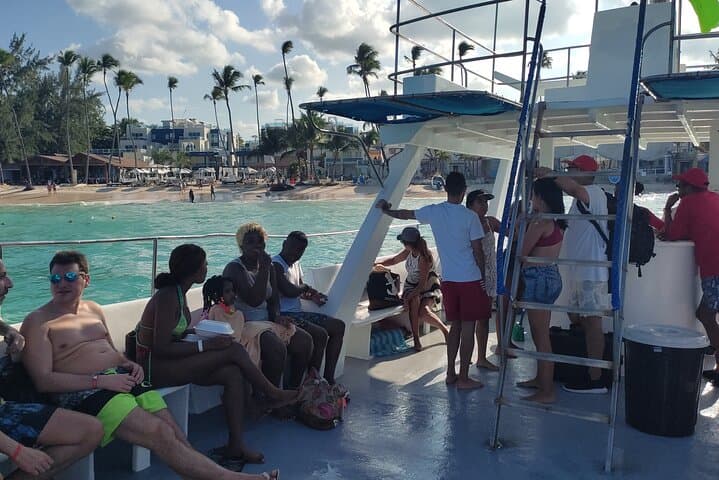
You leave the hotel before dawn, the bus humming through palm-lined roads while the Caribbean light sharpens over the bay. By the time you reach the Samana peninsula the day has opened like a map: a strip of ocean, a swath of low mountains and pockets of villages where fishermen mend nets and kids chase chickens in the street. The tour stitches three very different landscapes together—an all-terrain truck into the mountains, a horse ride through humid jungle, and a slow, salt-washed finish on a quiet Samana beach—so the rhythm of the day moves from engine to hoof to barefoot.
Verified experiences and guided adventures in the surrounding area.
Operated by Paradise Experience in Punta Cana · Santa Bárbara de Samaná, Samaná Province
You leave the hotel before dawn, the bus humming through palm-lined roads while the Caribbean light sharpens over the bay. By the time you reach the Samana peninsula the day has opened like a map: a strip of ocean, a swath of low mountains and pockets of villages where fishermen mend nets and kids chase chickens in the street. The tour stitches three very different landscapes together—an all-terrain truck into the mountains, a horse ride through humid jungle, and a slow, salt-washed finish on a quiet Samana beach—so the rhythm of the day moves from engine to hoof to barefoot.
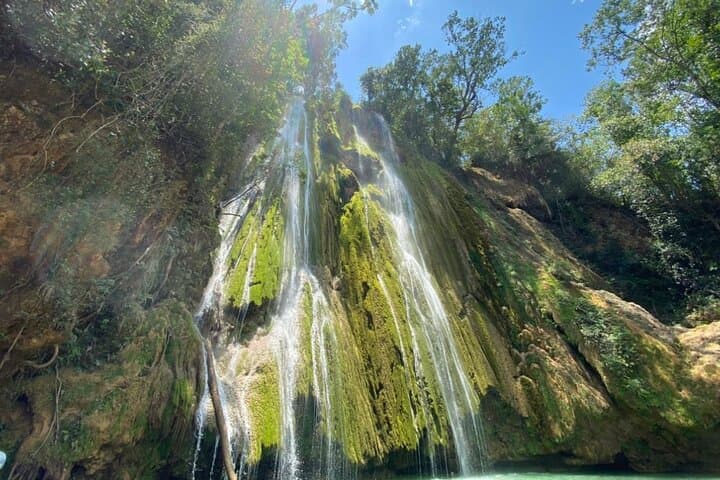
Geologically, Samaná is the uplifted edge of Hispaniola: limestone ridges give way to rich soil that feeds coastal mangroves and tropical forest. Cascada El Limón, a 50-meter drop tucked behind a veil of green, is fed by streams that have carved channels through volcanic and sedimentary rock over millennia. Culturally the region carries traces of Taino place names, African-descended music and a Dominican rural life that still measures time by tides and harvests—expect live bachata in small towns and hearty home-style lunches served with plantains and fresh fish.
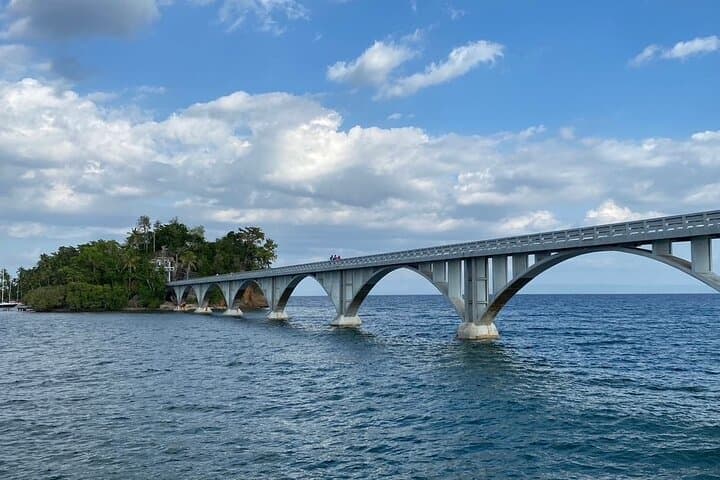
The horseback approach to El Limón is more than novelty; it’s a practical way through narrow tracks and soft mud, and it offers a pace that lets you catch birdcalls and glimpses of agoutis scuttling in underbrush. At the waterfall the mist drops temperature ten degrees instantly; the pool below dares you to jump while moss and lichen paint the rocks. After lunch in Samana town, look out for the arching Napoleon Bridge and the bay where humpback whales seasonally return—if you time your trip between January and March you might see distant blows and flukes from the lunch terrace.
Practical edge: this is a full 13-hour day with several transport changes and a short hike to reach the falls. Wear quick-dry layers, sturdy closed-toe shoes that can get wet, and bring insect repellent and reef-safe sunscreen. Hydrate before you start; bottled water is included but you’ll want a refillable bottle for the trail. The operation provides air-conditioned transfers and a local guide; pick-up covers many Bavaro and Punta Cana hotels but Samana-area guests should confirm the meeting point.
For photographers, early light on the bay and late-afternoon glow on the beach are best; at the falls, use a fast shutter to freeze the curtain and a wide lens from the pool edge for scale. Respect local rhythms—support small cafés in town, avoid single-use plastics where possible, and follow guides’ instructions on riding and swimming. The payoff is a day of variety: thunderous water, humid jungle, a slice of authentic Dominican life and a shoreline that asks you to slow down and listen.
moderate.
Approximately 13 hours (full day).
Suitable for people with average fitness—able to mount horses, handle short hikes and stand for periods at the falls and beach.
The full-day excursion is about 13 hours (780 minutes) including transfers, horseback ride, lunch and beach time.
No advanced riding experience is required—guides lead groups and horses are suitable for beginners, but you should be comfortable mounting and sitting on a horse for a short trail ride.
Yes—breakfast, lunch and bottled water are included, with soda typically provided at meal stops.
This tour is not recommended for pregnant travelers or those with spinal, heart or serious cardiovascular issues due to the horseback and hiking components.
Tipping is discretionary but appreciated; bringing small local-currency bills for guides, drivers and horse handlers is recommended.
Humpback whale season in Samana runs roughly January through March—book during those months if whale sighting is a priority.
Samana Peninsula was an early Taino settlement and later a strategic bay for colonial fleets; its towns reflect a mix of Taino, African and European influences in language, music and cuisine.
Tour operators emphasize staying on trails and using local guides to reduce erosion; bring reusable bottles and reef-safe sunscreen to limit plastic and chemical impacts.
Paradise Experience in Punta Cana operates guided outdoor trips and adventures with an emphasis on safety, stewardship, and memorable experiences.
You leave the hotel before dawn, the bus humming through palm-lined roads while the Caribbean light sharpens over the bay. By the time you reach the Samana peninsula the day has opened like a map: a strip of ocean, a swath of low mountains and pockets of villages where fishermen mend nets and kids chase chickens in the street. The tour stitches three very different landscapes together—an all-terrain truck into the mountains, a horse ride through humid jungle, and a slow, salt-washed finish on a quiet Samana beach—so the rhythm of the day moves from engine to hoof to barefoot.
You leave the hotel before dawn, the bus humming through palm-lined roads while the Caribbean light sharpens over the bay. By the time you reach the Samana peninsula the day has opened like a map: a strip of ocean, a swath of low mountains and pockets of villages where fishermen mend nets and kids chase chickens in the street. The tour stitches three very different landscapes together—an all-terrain truck into the mountains, a horse ride through humid jungle, and a slow, salt-washed finish on a quiet Samana beach—so the rhythm of the day moves from engine to hoof to barefoot.
Geologically, Samaná is the uplifted edge of Hispaniola: limestone ridges give way to rich soil that feeds coastal mangroves and tropical forest. Cascada El Limón, a 50-meter drop tucked behind a veil of green, is fed by streams that have carved channels through volcanic and sedimentary rock over millennia. Culturally the region carries traces of Taino place names, African-descended music and a Dominican rural life that still measures time by tides and harvests—expect live bachata in small towns and hearty home-style lunches served with plantains and fresh fish.
The horseback approach to El Limón is more than novelty; it’s a practical way through narrow tracks and soft mud, and it offers a pace that lets you catch birdcalls and glimpses of agoutis scuttling in underbrush. At the waterfall the mist drops temperature ten degrees instantly; the pool below dares you to jump while moss and lichen paint the rocks. After lunch in Samana town, look out for the arching Napoleon Bridge and the bay where humpback whales seasonally return—if you time your trip between January and March you might see distant blows and flukes from the lunch terrace.
Practical edge: this is a full 13-hour day with several transport changes and a short hike to reach the falls. Wear quick-dry layers, sturdy closed-toe shoes that can get wet, and bring insect repellent and reef-safe sunscreen. Hydrate before you start; bottled water is included but you’ll want a refillable bottle for the trail. The operation provides air-conditioned transfers and a local guide; pick-up covers many Bavaro and Punta Cana hotels but Samana-area guests should confirm the meeting point.
For photographers, early light on the bay and late-afternoon glow on the beach are best; at the falls, use a fast shutter to freeze the curtain and a wide lens from the pool edge for scale. Respect local rhythms—support small cafés in town, avoid single-use plastics where possible, and follow guides’ instructions on riding and swimming. The payoff is a day of variety: thunderous water, humid jungle, a slice of authentic Dominican life and a shoreline that asks you to slow down and listen.