THE ADVENTURE COLLECTIVE® · Independent discovery and booking for outdoor travel

Set sail from Corralejo for a four‑hour cruise through the Bocaina channel to Isla de Lobos. Expect volcanic panoramas, clear snorkeling, SUP and kayak time, and a small‑group atmosphere with a local skipper.
Set sail from Corralejo for a four‑hour cruise through the Bocaina channel to Isla de Lobos. Expect volcanic panoramas, clear snorkeling, SUP and kayak time, and a small‑group atmosphere with a local skipper.
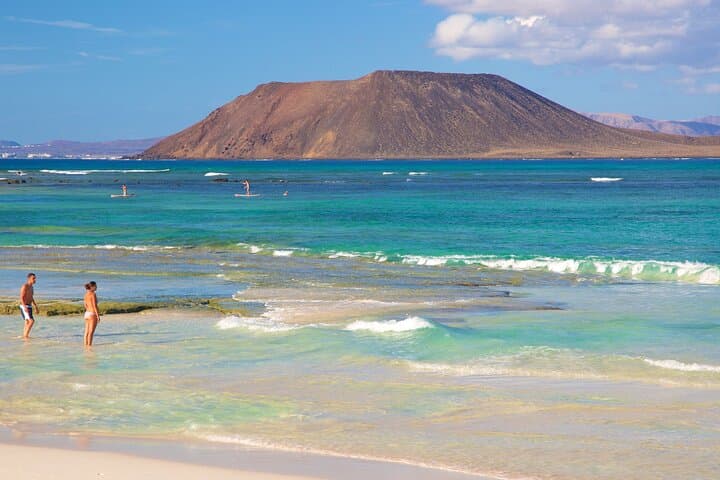
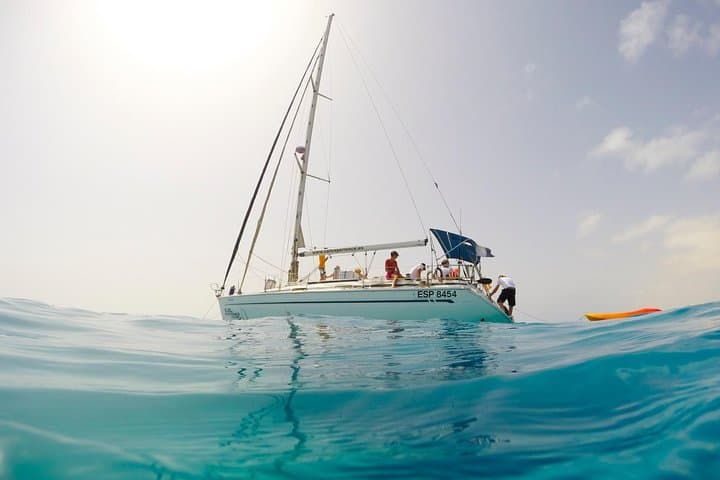
The bow parts the Atlantic like a pen moving across paper; spray ghosts the rail and the port of Corralejo shrinks into a neat cluster of white roofs. Captain Julian trims the sail with a practiced hand and the sailboat slips into La Bocaina, the five‑kilometer throat that separates Fuerteventura from Lanzarote. On a clear day you can read the silhouette of Lanzarote on the horizon; closer in, the low cone of Lobos rises to about 127 meters—a ragged, volcanic spine ringed by turquoise water.
Verified experiences and guided adventures in the surrounding area.
Operated by Sail Experience Fuerteventura · Corralejo, Las Palmas
The bow parts the Atlantic like a pen moving across paper; spray ghosts the rail and the port of Corralejo shrinks into a neat cluster of white roofs. Captain Julian trims the sail with a practiced hand and the sailboat slips into La Bocaina, the five‑kilometer throat that separates Fuerteventura from Lanzarote. On a clear day you can read the silhouette of Lanzarote on the horizon; closer in, the low cone of Lobos rises to about 127 meters—a ragged, volcanic spine ringed by turquoise water.
Isla de Lobos was named long before tourism: early mariners called the island after the monk seals that once hauled ashore here, and later fishermen used its sheltered coves for small hauls. Geologically it’s a young volcanic outpost—lava flows and a well‑formed caldera are visible from the sea, and the shallow channel (usually under 10 meters deep) produces glassy snorkeling conditions and occasional surfable breaks along the shore.
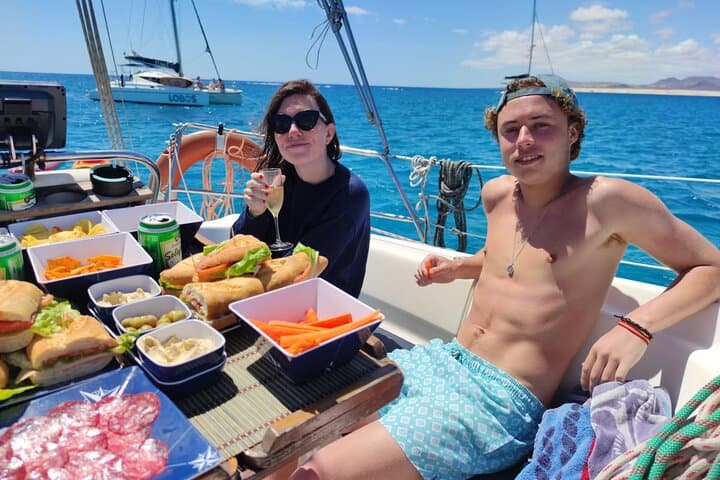
This four‑hour excursion out of Corralejo is as much about water as it is about light and geology. The route crosses the Bocaina, cruises past the Caldera volcano, and offers panoramic views of Fuerteventura’s Great Dunes and the red volcanic coastline before anchoring on the island’s southern side. The crew provides snorkel gear, SUPs, kayaks and a light lunch with coffee and bottled water; groups are small (max seven), which keeps the mood convivial and the deck uncluttered.
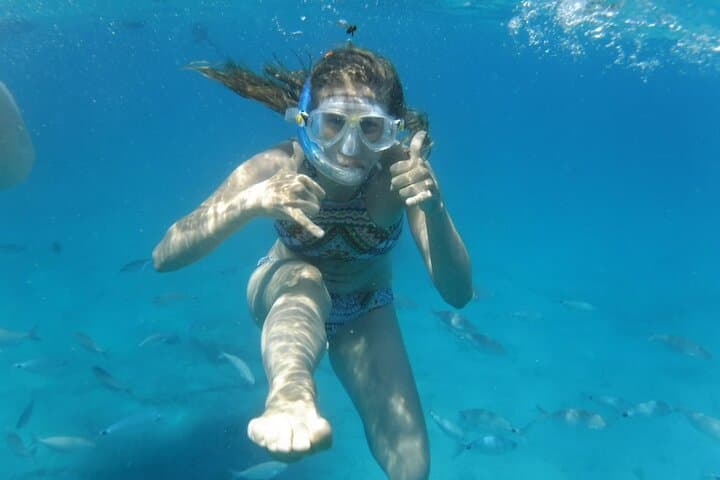
Practically speaking: swimmers should be comfortable entering the ocean from a small tender or ladder, and those prone to motion sickness should plan ahead. Expect wind on the outer channel—bring a windbreaker. Snorkels reveal clear water and rocky reefs; keep an eye out for dolphins riding the bow wave or a loggerhead turtle in summertime.
Timing matters. Morning sails often offer calmer seas and softer light on the dunes; afternoon trips can bring stronger thermal winds that make the sail itself more thrilling. Conservation rules protect Lobos—follow your guide, avoid trampling the fragile vegetation if you step ashore, and use reef‑safe sunscreen.
For travelers, this outing is a compact, high‑value taste of the Canaries: a short crossing, a volcanic island to admire from sea level, hands‑on time in clear water, and a friendly local crew who will coach beginners on SUP and basic sailing maneuvers. Meet 15 minutes early at the School Nautic Municipal in Corralejo port, bring layered protection against wind and sun, and leave room in your day for the dunes—either a beach walk in Corralejo or a sunset drive along the volcanic shore afterward.
easy.
4 hours.
Light: be able to stand and move on a small boat; basic swimming ability recommended
Meet 15 minutes before departure in front of the School Nautic Municipal in Corralejo Port.
Yes—snorkels, masks and fins are provided and included in the tour price.
The trip is rated easy but non‑swimmers should remain on the boat for water activities; life jackets are available.
A light lunch, snacks, bottled water, and coffee or tea are included in the trip price.
Tours are canceled for unsafe weather; you must cancel at least 24 hours prior for a full refund, and the operator may cancel if conditions are poor.
Yes—families are welcome; infants must sit on an adult’s lap and the vessel accommodates young children.
Isla de Lobos was named for monk seals and has a history as a fishing refuge; its volcanic origin ties it to the Bocaina channel between Fuerteventura and Lanzarote.
Lobos is a protected Natural Park—visitors should avoid stepping on fragile vegetation, dispose of waste responsibly, and use provided equipment to minimize impact.
Sail Experience Fuerteventura operates guided outdoor trips and adventures with an emphasis on safety, stewardship, and memorable experiences.
The bow parts the Atlantic like a pen moving across paper; spray ghosts the rail and the port of Corralejo shrinks into a neat cluster of white roofs. Captain Julian trims the sail with a practiced hand and the sailboat slips into La Bocaina, the five‑kilometer throat that separates Fuerteventura from Lanzarote. On a clear day you can read the silhouette of Lanzarote on the horizon; closer in, the low cone of Lobos rises to about 127 meters—a ragged, volcanic spine ringed by turquoise water.
The bow parts the Atlantic like a pen moving across paper; spray ghosts the rail and the port of Corralejo shrinks into a neat cluster of white roofs. Captain Julian trims the sail with a practiced hand and the sailboat slips into La Bocaina, the five‑kilometer throat that separates Fuerteventura from Lanzarote. On a clear day you can read the silhouette of Lanzarote on the horizon; closer in, the low cone of Lobos rises to about 127 meters—a ragged, volcanic spine ringed by turquoise water.
Isla de Lobos was named long before tourism: early mariners called the island after the monk seals that once hauled ashore here, and later fishermen used its sheltered coves for small hauls. Geologically it’s a young volcanic outpost—lava flows and a well‑formed caldera are visible from the sea, and the shallow channel (usually under 10 meters deep) produces glassy snorkeling conditions and occasional surfable breaks along the shore.
This four‑hour excursion out of Corralejo is as much about water as it is about light and geology. The route crosses the Bocaina, cruises past the Caldera volcano, and offers panoramic views of Fuerteventura’s Great Dunes and the red volcanic coastline before anchoring on the island’s southern side. The crew provides snorkel gear, SUPs, kayaks and a light lunch with coffee and bottled water; groups are small (max seven), which keeps the mood convivial and the deck uncluttered.
Practically speaking: swimmers should be comfortable entering the ocean from a small tender or ladder, and those prone to motion sickness should plan ahead. Expect wind on the outer channel—bring a windbreaker. Snorkels reveal clear water and rocky reefs; keep an eye out for dolphins riding the bow wave or a loggerhead turtle in summertime.
Timing matters. Morning sails often offer calmer seas and softer light on the dunes; afternoon trips can bring stronger thermal winds that make the sail itself more thrilling. Conservation rules protect Lobos—follow your guide, avoid trampling the fragile vegetation if you step ashore, and use reef‑safe sunscreen.
For travelers, this outing is a compact, high‑value taste of the Canaries: a short crossing, a volcanic island to admire from sea level, hands‑on time in clear water, and a friendly local crew who will coach beginners on SUP and basic sailing maneuvers. Meet 15 minutes early at the School Nautic Municipal in Corralejo port, bring layered protection against wind and sun, and leave room in your day for the dunes—either a beach walk in Corralejo or a sunset drive along the volcanic shore afterward.