THE ADVENTURE COLLECTIVE® · Independent discovery and booking for outdoor travel

Glide into Puerto Princesa’s UNESCO-listed Underground River by paddleboat and watch limestone caverns unfold like a page of geological history. This half-day excursion pairs mangrove approaches and karst geology with practical tips for planning permits, timing, and what to pack.
Glide into Puerto Princesa’s UNESCO-listed Underground River by paddleboat and watch limestone caverns unfold like a page of geological history. This half-day excursion pairs mangrove approaches and karst geology with practical tips for planning permits, timing, and what to pack.
You step off the jeepney onto humid earth and a strip of concrete that leads to Sabang’s wharf where the jungle leans close to the shoreline. The sound of the sea is a steady exhale; beyond the mangroves a line of banca boats rocks in the blue-green water, each with a guide who knows the rhythm of the river and the cave. Tickets and permits are checked, life vests fitted, and the group pushes off in a wooden paddleboat that will carry you into one of the Philippines’ most elemental landscapes.
Verified experiences and guided adventures in the surrounding area.
Operated by Puerto Princesa Tours and Transport by World holiday travel and tours Palawan · Puerto Princesa, Palawan
You step off the jeepney onto humid earth and a strip of concrete that leads to Sabang’s wharf where the jungle leans close to the shoreline. The sound of the sea is a steady exhale; beyond the mangroves a line of banca boats rocks in the blue-green water, each with a guide who knows the rhythm of the river and the cave. Tickets and permits are checked, life vests fitted, and the group pushes off in a wooden paddleboat that will carry you into one of the Philippines’ most elemental landscapes.
The Puerto Princesa Subterranean River — a UNESCO World Heritage site and Ramsar wetland — drains an ancient karst mountain range and opens into a cathedral of stone. Geologically, the cave is part of a larger limestone system carved by fresh water over millions of years; tourists travel roughly the first kilometer or two by boat while the river continues farther inland for a total cave length of about 8.2 km. Stalactites and curtains of flowstone press down from the ceiling like fossilized waves, and bats mark the dark edges with sudden movement; your guide names formations and points out fossil beds and blind cave-dwelling species with practical clarity.
Culturally the area is linked to coastal communities and indigenous Tagbanua people, who have historical ties to these mountains and mangroves. The park’s conservation story is central: access is regulated, government permits are required, and visitor numbers are controlled to reduce impact on fragile cave ecosystems.
Practicalities matter here. The full tour runs about eight hours from Puerto Princesa, including a roughly 1.5–2 hour drive to Sabang each way and boat transfers to the cave. The guided paddle-boat section inside the cave lasts 30–45 minutes; expect short, flat walks at the wharf and park facilities, no steep climbs. Advance booking is essential — operators must process government permits and there’s a daily quota — and tours can be cancelled in heavy weather for safety.
Bring a dry bag for your camera, insect repellent for the mangrove approach, and lightweight, closed-toe shoes for slippery dock boards. Hydrate before you leave the city; the boat ride is shaded but tropical heat builds fast. Morning departures are calmer for the sea and quieter for wildlife sightings; later boats can be busier.
For travelers who want the experience without strain, this cave tour is accessible and richly rewarding: a half-day of coastal driving, a short walk through humid greenery, and a paddle into a cave that keeps its own slow time. The river will keep going long after you return to light, but for a few minutes inside the cave it asks only that you listen.
moderate.
8 hours (including transport).
Light fitness required: short flat walks and sitting through boat transfers; comfortable for most travelers.
The guided paddle-boat section through the accessible cave passage lasts about 30–45 minutes; the entire park visit including transfers is a half-day.
Yes — operators process government permits on your behalf; book in advance so permits can be arranged.
Yes; the activity involves sitting in a paddleboat and short, level walks, but it’s not recommended for people with severe back problems or cardiovascular issues.
Government authorities may cancel tours in rough seas; the operator will offer a refund or an alternative date or tour depending on your choice.
Lunch, van transportation, boat transfers, and government environmental fees are typically included in the tour price as noted by the operator.
Yes, but timing is restricted — cruise passengers must confirm ship departure times and the tour is only possible if the ship departure is after the scheduled return (often late afternoon).
The Underground River was designated a UNESCO World Heritage site in 1999 and has been protected as part of a national park that reflects Palawan’s karst landscapes and coastal ecosystems.
Visitor numbers and permit systems limit impact on delicate cave formations and bat populations; stick to guides' paths and avoid touching speleothems.
Puerto Princesa Tours and Transport by World holiday travel and tours Palawan operates guided outdoor trips and adventures with an emphasis on safety, stewardship, and memorable experiences.
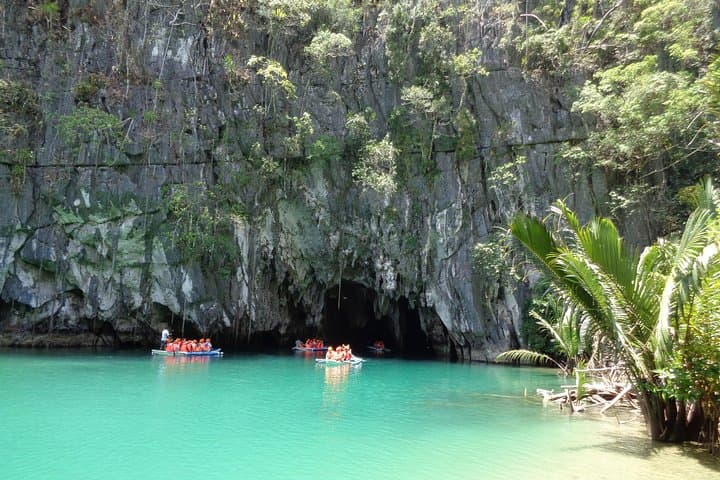
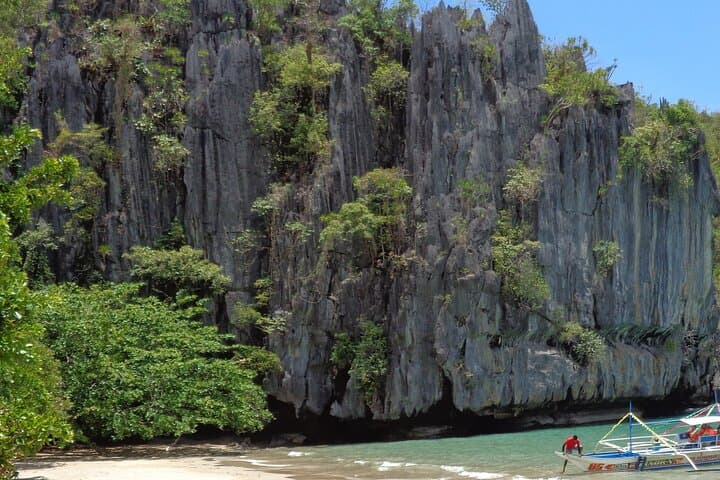
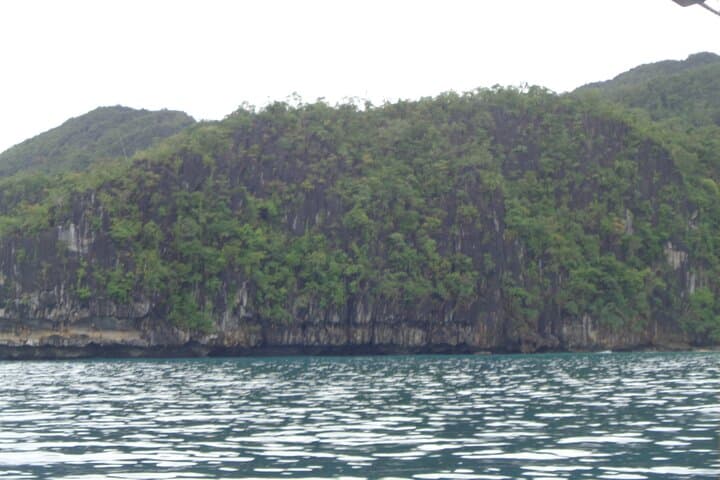
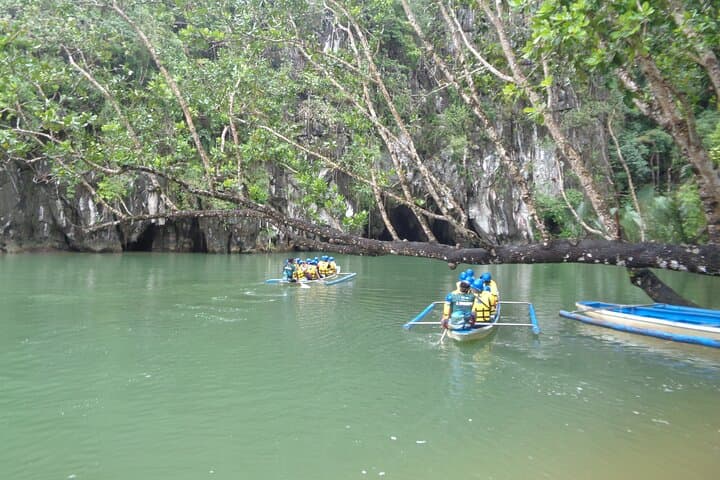
You step off the jeepney onto humid earth and a strip of concrete that leads to Sabang’s wharf where the jungle leans close to the shoreline. The sound of the sea is a steady exhale; beyond the mangroves a line of banca boats rocks in the blue-green water, each with a guide who knows the rhythm of the river and the cave. Tickets and permits are checked, life vests fitted, and the group pushes off in a wooden paddleboat that will carry you into one of the Philippines’ most elemental landscapes.
You step off the jeepney onto humid earth and a strip of concrete that leads to Sabang’s wharf where the jungle leans close to the shoreline. The sound of the sea is a steady exhale; beyond the mangroves a line of banca boats rocks in the blue-green water, each with a guide who knows the rhythm of the river and the cave. Tickets and permits are checked, life vests fitted, and the group pushes off in a wooden paddleboat that will carry you into one of the Philippines’ most elemental landscapes.
The Puerto Princesa Subterranean River — a UNESCO World Heritage site and Ramsar wetland — drains an ancient karst mountain range and opens into a cathedral of stone. Geologically, the cave is part of a larger limestone system carved by fresh water over millions of years; tourists travel roughly the first kilometer or two by boat while the river continues farther inland for a total cave length of about 8.2 km. Stalactites and curtains of flowstone press down from the ceiling like fossilized waves, and bats mark the dark edges with sudden movement; your guide names formations and points out fossil beds and blind cave-dwelling species with practical clarity.
Culturally the area is linked to coastal communities and indigenous Tagbanua people, who have historical ties to these mountains and mangroves. The park’s conservation story is central: access is regulated, government permits are required, and visitor numbers are controlled to reduce impact on fragile cave ecosystems.
Practicalities matter here. The full tour runs about eight hours from Puerto Princesa, including a roughly 1.5–2 hour drive to Sabang each way and boat transfers to the cave. The guided paddle-boat section inside the cave lasts 30–45 minutes; expect short, flat walks at the wharf and park facilities, no steep climbs. Advance booking is essential — operators must process government permits and there’s a daily quota — and tours can be cancelled in heavy weather for safety.
Bring a dry bag for your camera, insect repellent for the mangrove approach, and lightweight, closed-toe shoes for slippery dock boards. Hydrate before you leave the city; the boat ride is shaded but tropical heat builds fast. Morning departures are calmer for the sea and quieter for wildlife sightings; later boats can be busier.
For travelers who want the experience without strain, this cave tour is accessible and richly rewarding: a half-day of coastal driving, a short walk through humid greenery, and a paddle into a cave that keeps its own slow time. The river will keep going long after you return to light, but for a few minutes inside the cave it asks only that you listen.