THE ADVENTURE COLLECTIVE® · Independent discovery and booking for outdoor travel

Sample Dominican rums with an expert guide in Punta Cana. This 90-minute tasting pairs sensory lessons with local history and practical tips for first-time tasters.
Sample Dominican rums with an expert guide in Punta Cana. This 90-minute tasting pairs sensory lessons with local history and practical tips for first-time tasters.
You step into a cool, low-lit tasting room while the Caribbean sun still pulls at the palms outside. The air carries a faint sweetness that remembers sugarcane fields and the distant hum of the ocean; a local guide sets out neat rows of glasses and a short map of the island’s rum lineage.
Verified experiences and guided adventures in the surrounding area.
Operated by Via Punta Cana · Punta Cana, La Altagracia
You step into a cool, low-lit tasting room while the Caribbean sun still pulls at the palms outside. The air carries a faint sweetness that remembers sugarcane fields and the distant hum of the ocean; a local guide sets out neat rows of glasses and a short map of the island’s rum lineage.
Dominican rum owes its character to centuries of sugarcane cultivation, Spanish and African influences, and local aging traditions. Around Punta Cana the landscape is limestone plain and coastal scrub rather than high mountains, but the real geology for rum is agricultural: flat fields once dominated by cane, mills and the coastal trade that shipped spirits across the Atlantic.
This tasting is both sensory primer and cultural sketch — you’ll learn basic distillation terms, sample light blancos to darker añejos, and compare production styles. Expect guided aroma exercises, quick notes on blending and aging, and local anecdotes about brands and family distilleries.
Practically: sessions run about 90 minutes, often include bottled water, snacks and round-trip transport. Bring ID (legal drinking age in the Dominican Republic is 18), pace your pours, and plan light transit after the tasting. Midday heat favors earlier bookings; late afternoon gives a quieter room and a chance to stroll a nearby beach or village market afterward.
For travelers wanting flavor context, ask about sugarcane sources and barrel types, and pair a taste of dark rum with a toasted local snack. The experience is short, social, and a grounded way to taste the island’s history — one measured sip at a time.
easy.
1–2 hours.
Minimal physical exertion required; suitable for most adults who can stand for short periods.
The session lasts about 90 minutes (1½ hours) and includes samples, a guide-led explanation and light snacks.
This tour listing notes transportation is included; confirm pickup point and time when booking.
Yes — you must be at least 18 years old and carry valid government-issued ID.
Policies vary; some venues sell bottles on site but check with the guide or venue for purchase and customs rules for international travel.
Rum in the Dominican Republic grew from colonial-era sugarcane plantations and evolved into distinct regional styles shaped by local aging and blending techniques.
Support small producers and minimize single-use plastics; many operators now include bottled water but try to carry a reusable bottle when possible to cut waste.
Via Punta Cana operates guided outdoor trips and adventures with an emphasis on safety, stewardship, and memorable experiences.
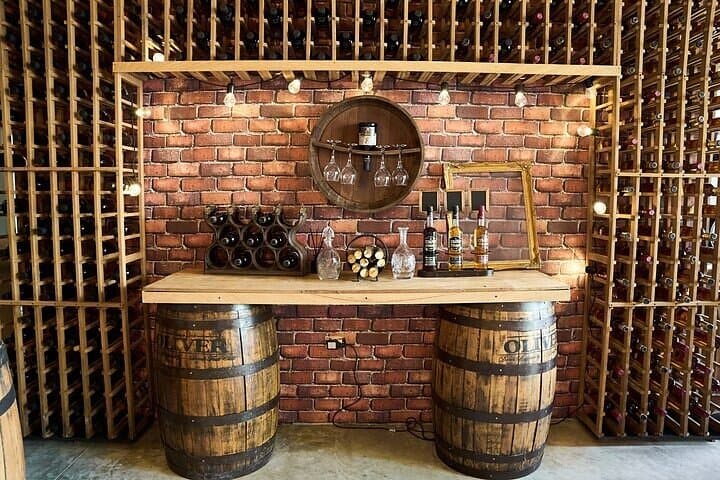
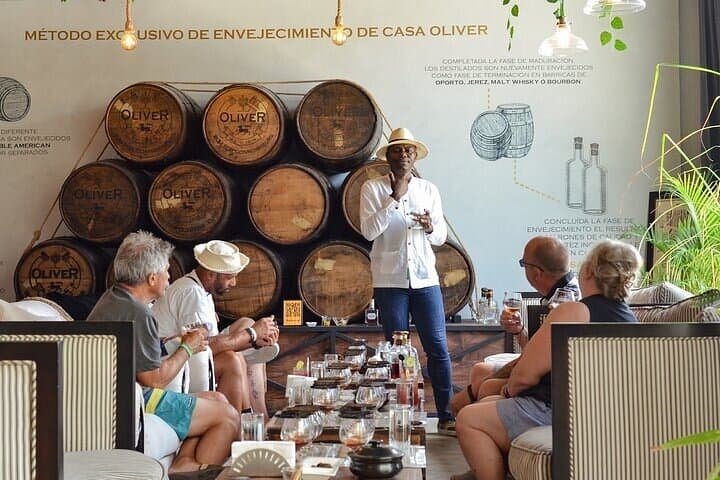
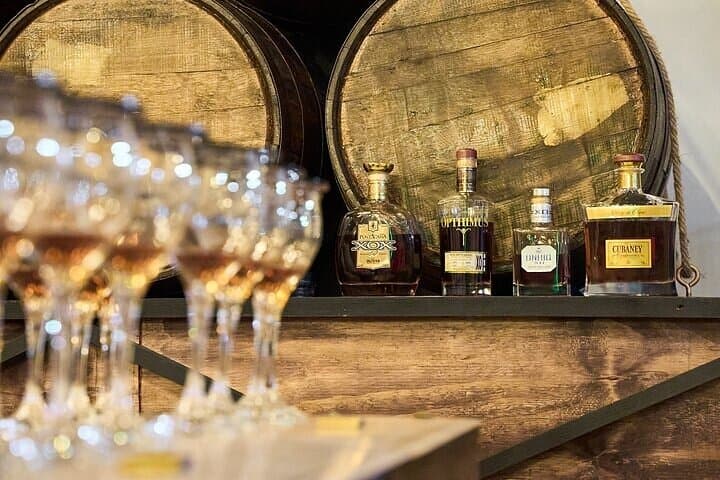
You step into a cool, low-lit tasting room while the Caribbean sun still pulls at the palms outside. The air carries a faint sweetness that remembers sugarcane fields and the distant hum of the ocean; a local guide sets out neat rows of glasses and a short map of the island’s rum lineage.
You step into a cool, low-lit tasting room while the Caribbean sun still pulls at the palms outside. The air carries a faint sweetness that remembers sugarcane fields and the distant hum of the ocean; a local guide sets out neat rows of glasses and a short map of the island’s rum lineage.
Dominican rum owes its character to centuries of sugarcane cultivation, Spanish and African influences, and local aging traditions. Around Punta Cana the landscape is limestone plain and coastal scrub rather than high mountains, but the real geology for rum is agricultural: flat fields once dominated by cane, mills and the coastal trade that shipped spirits across the Atlantic.
This tasting is both sensory primer and cultural sketch — you’ll learn basic distillation terms, sample light blancos to darker añejos, and compare production styles. Expect guided aroma exercises, quick notes on blending and aging, and local anecdotes about brands and family distilleries.
Practically: sessions run about 90 minutes, often include bottled water, snacks and round-trip transport. Bring ID (legal drinking age in the Dominican Republic is 18), pace your pours, and plan light transit after the tasting. Midday heat favors earlier bookings; late afternoon gives a quieter room and a chance to stroll a nearby beach or village market afterward.
For travelers wanting flavor context, ask about sugarcane sources and barrel types, and pair a taste of dark rum with a toasted local snack. The experience is short, social, and a grounded way to taste the island’s history — one measured sip at a time.