THE ADVENTURE COLLECTIVE® · Independent discovery and booking for outdoor travel

A private two-hour walking tour that pairs Zermatt’s intimate village streets with a short, scenic hike and Matterhorn views. Learn climbing history, visit the Catholic church and graveyard, and sample local stories with a guide.
A private two-hour walking tour that pairs Zermatt’s intimate village streets with a short, scenic hike and Matterhorn views. Learn climbing history, visit the Catholic church and graveyard, and sample local stories with a guide.
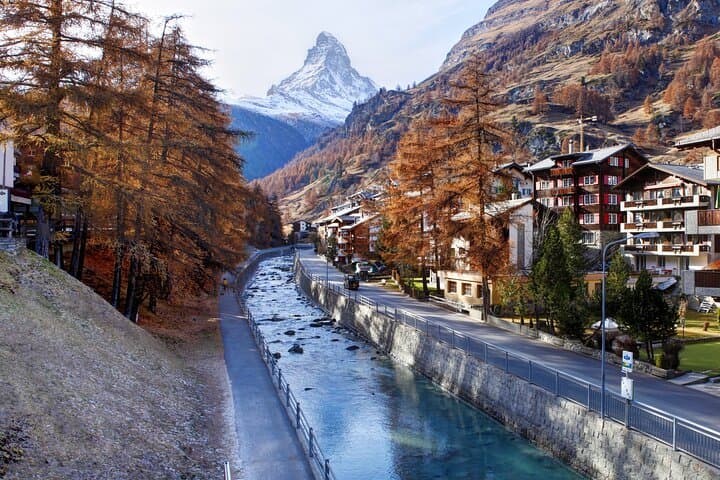
You meet your guide opposite the small Catholic church, the bell quiet this morning as a pale Matterhorn leans into the sky behind it. The village breathes in tidy puffs of stove smoke; cobbles still hold last night’s rain. For two hours, Zermatt rearranges itself into a slow conversation: about climbers, old farmhouses, and the mountain that watches every street.
Verified experiences and guided adventures in the surrounding area.
Operated by Opatrip Switzerland · Zermatt, Valais
You meet your guide opposite the small Catholic church, the bell quiet this morning as a pale Matterhorn leans into the sky behind it. The village breathes in tidy puffs of stove smoke; cobbles still hold last night’s rain. For two hours, Zermatt rearranges itself into a slow conversation: about climbers, old farmhouses, and the mountain that watches every street.
The walking tour threads through Zermatt’s compact core—through Bahnhofstrasse’s pedestrian hum, past timbered chalets with deep eaves, into the surprising hush of the graveyard behind the church where the names of early Matterhorn victims are carved into stone. The Matterhorn Museum (Zermatlantis) sits near the center of this story, its exhibits showing how a farming hamlet became an international mountaineering stage in the late 19th century. Your guide moves between lore and landscape—pointing out climbing-era artifacts, pointing, too, at geological clues: hornfels and gneiss folded and worn until the mountain reads like a ledger of ice and time.
A short, easy hike completes the private experience. The path climbs a modest 100–200 meters over roughly 1.5–2 kilometers—enough to change the view but not the stride. As you walk, the air cools and the valley shifts: stone walls take on a warm hue, and the sound of the Vispa river dares you to look for the glint of meltwater downstream. The Kirchbrücke is an early reward; at certain angles the Matterhorn aligns with the wooden bridge like a portrait in a frame.
This is also a cultural stroll. Guides point out chapel plaques, alpine farming houses, and the small details that mark Zermatt’s transformation—rail connections that replaced mule tracks, hotels that rose around mountaineering fame, and the car-free policy that keeps the air crisp and the streets convivial.
Practical notes: the tour is explicitly easy and private, ideal for couples or small groups wanting a focused introduction. Wear sturdy walking shoes with some tread—cobbles and short uphill sections can be slick when wet. Bring a light waterproof layer and a reusable water bottle; altitude can dry you out faster than you expect. If you want photos, schedule morning or late-afternoon for softer light and fewer crowds.
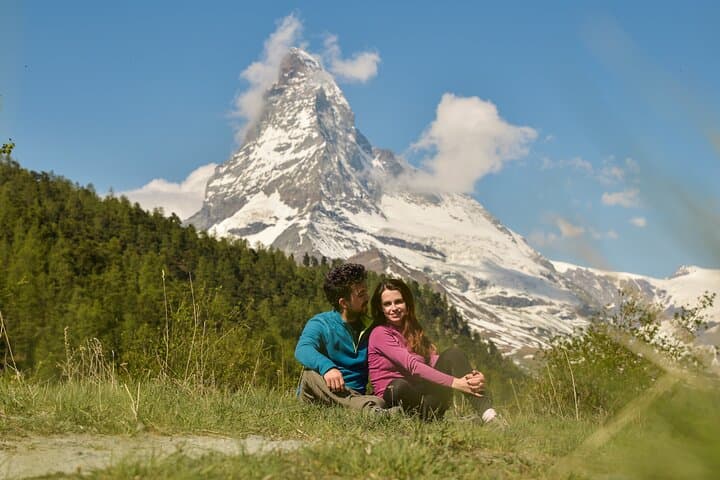
The romance here isn’t only the mountain; it’s the slow reveal—how history, geology, and everyday alpine life converge on narrow streets and hillside trails. For travelers looking to understand Zermatt beyond postcard angles, this private walking tour delivers local stories, memorable views, and a quiet, human scale to one of the Alps’ most photographed peaks.
easy.
2 hours.
Suitable for most adults with basic mobility; short uphill sections require steady footing
The private experience lasts approximately 2 hours and includes about 1.5–2 km of walking with modest elevation gain (roughly 100–200 m).
Yes—it's classified as easy and suitable for a wide range of fitness levels, though participants should be comfortable walking on cobbles and short uphill paths.
No—entrance to the Matterhorn Museum is not included; your guide will provide context outside or advise if you want to visit independently before or after the tour.
The meeting point is opposite the Zermatt Catholic Church in the village center; confirm exact meeting instructions on your booking voucher.
Yes—Zermatt is car-free. You’ll arrive by train, taxi-style electric vehicles, or on foot, which helps keep streets quiet and walkable.
This private tour can be tailored—mention requests for anniversaries, proposals, or photo-focused stops when booking.
Zermatt evolved from a cluster of alpine farms into a world-famous mountaineering hub in the late 19th century after the first Matterhorn ascent; the museum traces that social shift.
Zermatt’s car-free policy and strict building regulations protect air quality and village character; stay on trails and respect private farm plots to minimize impact.
Opatrip Switzerland operates guided outdoor trips and adventures with an emphasis on safety, stewardship, and memorable experiences.

You meet your guide opposite the small Catholic church, the bell quiet this morning as a pale Matterhorn leans into the sky behind it. The village breathes in tidy puffs of stove smoke; cobbles still hold last night’s rain. For two hours, Zermatt rearranges itself into a slow conversation: about climbers, old farmhouses, and the mountain that watches every street.
You meet your guide opposite the small Catholic church, the bell quiet this morning as a pale Matterhorn leans into the sky behind it. The village breathes in tidy puffs of stove smoke; cobbles still hold last night’s rain. For two hours, Zermatt rearranges itself into a slow conversation: about climbers, old farmhouses, and the mountain that watches every street.
The walking tour threads through Zermatt’s compact core—through Bahnhofstrasse’s pedestrian hum, past timbered chalets with deep eaves, into the surprising hush of the graveyard behind the church where the names of early Matterhorn victims are carved into stone. The Matterhorn Museum (Zermatlantis) sits near the center of this story, its exhibits showing how a farming hamlet became an international mountaineering stage in the late 19th century. Your guide moves between lore and landscape—pointing out climbing-era artifacts, pointing, too, at geological clues: hornfels and gneiss folded and worn until the mountain reads like a ledger of ice and time.
A short, easy hike completes the private experience. The path climbs a modest 100–200 meters over roughly 1.5–2 kilometers—enough to change the view but not the stride. As you walk, the air cools and the valley shifts: stone walls take on a warm hue, and the sound of the Vispa river dares you to look for the glint of meltwater downstream. The Kirchbrücke is an early reward; at certain angles the Matterhorn aligns with the wooden bridge like a portrait in a frame.
This is also a cultural stroll. Guides point out chapel plaques, alpine farming houses, and the small details that mark Zermatt’s transformation—rail connections that replaced mule tracks, hotels that rose around mountaineering fame, and the car-free policy that keeps the air crisp and the streets convivial.
Practical notes: the tour is explicitly easy and private, ideal for couples or small groups wanting a focused introduction. Wear sturdy walking shoes with some tread—cobbles and short uphill sections can be slick when wet. Bring a light waterproof layer and a reusable water bottle; altitude can dry you out faster than you expect. If you want photos, schedule morning or late-afternoon for softer light and fewer crowds.
The romance here isn’t only the mountain; it’s the slow reveal—how history, geology, and everyday alpine life converge on narrow streets and hillside trails. For travelers looking to understand Zermatt beyond postcard angles, this private walking tour delivers local stories, memorable views, and a quiet, human scale to one of the Alps’ most photographed peaks.