THE ADVENTURE COLLECTIVE® · Independent discovery and booking for outdoor travel

Climb the iconic Paligremos rock above Plakias beach with a certified guide—single-pitch limestone routes, top-ropes and rappels, and a cooling swim at the end. Ideal for adventurous beginners and intermediate climbers who want a full-day coastal experience with local food and secure, UIAA-standard gear.
Climb the iconic Paligremos rock above Plakias beach with a certified guide—single-pitch limestone routes, top-ropes and rappels, and a cooling swim at the end. Ideal for adventurous beginners and intermediate climbers who want a full-day coastal experience with local food and secure, UIAA-standard gear.
You arrive at the small parking by Plakias with the sea on one side and a single, vertical limestone spine on the other—the rock of Paligremos looming like a weathered blade, sun-scratched and salt-streaked. The guide unfolds a rope, checks harnesses, and the wind off the bay begins to push stories of the island toward you: fishermen hauling nets, Ottoman-era ruins inland, and a coastline that has forced ships to hug its contours for centuries.
Verified experiences and guided adventures in the surrounding area.
Operated by Your Guide Crete · Plakias, Rethymno
You arrive at the small parking by Plakias with the sea on one side and a single, vertical limestone spine on the other—the rock of Paligremos looming like a weathered blade, sun-scratched and salt-streaked. The guide unfolds a rope, checks harnesses, and the wind off the bay begins to push stories of the island toward you: fishermen hauling nets, Ottoman-era ruins inland, and a coastline that has forced ships to hug its contours for centuries.
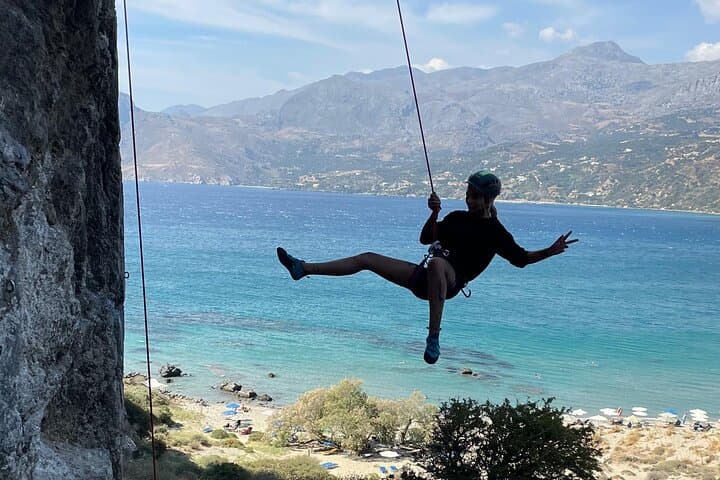
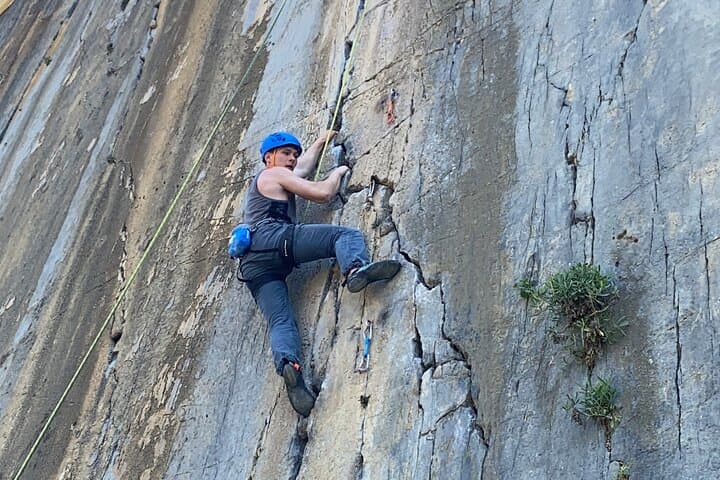
Paligremos is not theatrical; it’s candid. The routes are compact single-pitch climbs between roughly 15 and 30 meters, carved into Cretan limestone that alternates textured pockets with smooth faces. Geologically this stretch of Rethymnon speaks of ancient seabeds folded into cliffs—fossil-rich stone that gives good friction on cooler mornings and translucent shimmer under midday sun. From the belay you look down on Plakias’ crescent beach: the sea daring you to finish with a swim.
The culture of climbing here is low-key and tactile. Local tavernas supply the end-of-day meal: grilled fish, dakos, and tsikoudia to toast a safe descent. Historical markers inland remind you Crete has been a crossroads since Minoan times; the coastline’s coves sheltered traders and smugglers long before guidebooks arrived.
Practical notes: this is a guided, private activity with UIAA-standard equipment and a safety briefing of 15–20 minutes. Expect a full-day rhythm—pick-up, approach, climbing, a possible cool swim, and a return to town—stretching to roughly 6–7 hours. Climbs are suitable for climbers new to rock climbing but require a moderate level of fitness and comfort with exposure. Routes are typically top-roped or single-pitch sport leads set up by guides, making it a solid first multi-route day.
Timing and seasons matter: spring and fall deliver the best rock temps; summer brings intense sun, so go early or plan a swim afterward. Wear sticky-soled approach shoes, sun protection, and be ready to carry a small drybag for keys and a phone. Hydrate—water is included, but you’ll want more on hot days.
The payoff is equal parts adrenaline and place: clipping draws against a sky that pushes blue into the sea, then the slow arc of lowering back to earth and the salt on your skin as you jump into a cooling bay. For a compact, confident dose of Crete—history, coastline, limestone and local food—Paligremos delivers with clear-headed safety and local flavor.
moderate.
6–7 hours.
Moderate cardiovascular fitness and ability to handle sustained standing and short scrambles; comfortable with heights.
No—this guided experience accommodates beginners; the guide sets up safe top-ropes and provides instruction, though moderate fitness is required.
Wear athletic layers, a sun hat, and shoes suitable for a short rocky approach; bring swimwear if you want to jump in afterwards.
Yes—UIAA-standard harnesses, helmets, ropes and hardware are provided and included in the price.
Age limits vary—booking questions collect age bands. Minors may be allowed with guardian consent and if they meet fitness and safety checks.
The operator cancels in bad weather; the cancellation policy allows refunds if you cancel at least 24 hours in advance or if the supplier cancels for weather.
Plakias village has tavernas and facilities near the beach where you can eat after the activity; guides often point out recommended local spots.
The Rethymnon coast has been inhabited since Minoan times; small bays like Plakias served as local fishing ports and occasional safe harbors for traders over millennia.
Stick to existing trails and avoid trampling the native maquis; local guides practice leave-no-trace and discourage bolting new routes without permits.
Your Guide Crete operates guided outdoor trips and adventures with an emphasis on safety, stewardship, and memorable experiences.
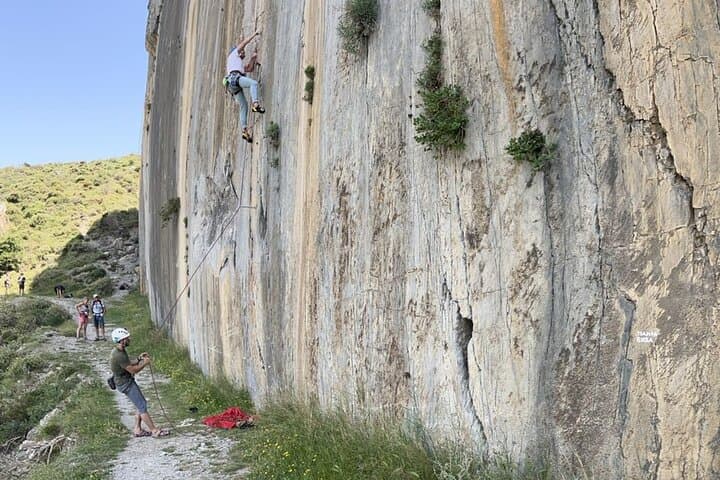
You arrive at the small parking by Plakias with the sea on one side and a single, vertical limestone spine on the other—the rock of Paligremos looming like a weathered blade, sun-scratched and salt-streaked. The guide unfolds a rope, checks harnesses, and the wind off the bay begins to push stories of the island toward you: fishermen hauling nets, Ottoman-era ruins inland, and a coastline that has forced ships to hug its contours for centuries.
You arrive at the small parking by Plakias with the sea on one side and a single, vertical limestone spine on the other—the rock of Paligremos looming like a weathered blade, sun-scratched and salt-streaked. The guide unfolds a rope, checks harnesses, and the wind off the bay begins to push stories of the island toward you: fishermen hauling nets, Ottoman-era ruins inland, and a coastline that has forced ships to hug its contours for centuries.
Paligremos is not theatrical; it’s candid. The routes are compact single-pitch climbs between roughly 15 and 30 meters, carved into Cretan limestone that alternates textured pockets with smooth faces. Geologically this stretch of Rethymnon speaks of ancient seabeds folded into cliffs—fossil-rich stone that gives good friction on cooler mornings and translucent shimmer under midday sun. From the belay you look down on Plakias’ crescent beach: the sea daring you to finish with a swim.
The culture of climbing here is low-key and tactile. Local tavernas supply the end-of-day meal: grilled fish, dakos, and tsikoudia to toast a safe descent. Historical markers inland remind you Crete has been a crossroads since Minoan times; the coastline’s coves sheltered traders and smugglers long before guidebooks arrived.
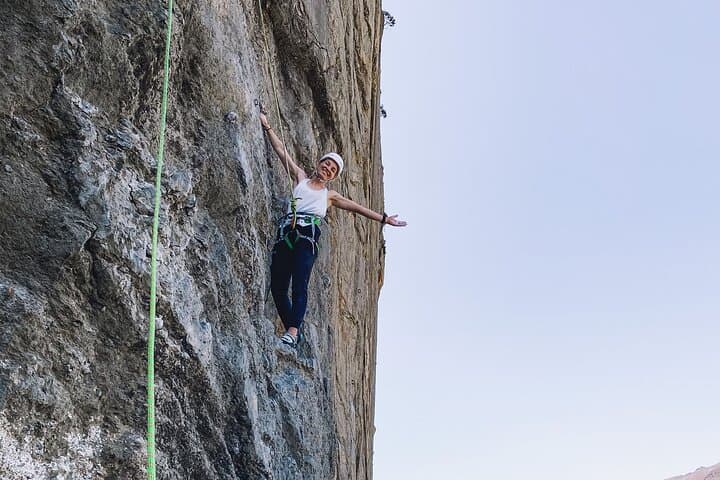
Practical notes: this is a guided, private activity with UIAA-standard equipment and a safety briefing of 15–20 minutes. Expect a full-day rhythm—pick-up, approach, climbing, a possible cool swim, and a return to town—stretching to roughly 6–7 hours. Climbs are suitable for climbers new to rock climbing but require a moderate level of fitness and comfort with exposure. Routes are typically top-roped or single-pitch sport leads set up by guides, making it a solid first multi-route day.
Timing and seasons matter: spring and fall deliver the best rock temps; summer brings intense sun, so go early or plan a swim afterward. Wear sticky-soled approach shoes, sun protection, and be ready to carry a small drybag for keys and a phone. Hydrate—water is included, but you’ll want more on hot days.
The payoff is equal parts adrenaline and place: clipping draws against a sky that pushes blue into the sea, then the slow arc of lowering back to earth and the salt on your skin as you jump into a cooling bay. For a compact, confident dose of Crete—history, coastline, limestone and local food—Paligremos delivers with clear-headed safety and local flavor.