THE ADVENTURE COLLECTIVE® · Independent discovery and booking for outdoor travel

Scale coastal basalt faces a short drive from Reykjavík with local guides who tailor routes to your level. Learn belaying, refine trad technique, or enjoy a relaxed top-rope day against an Icelandic backdrop.
Scale coastal basalt faces a short drive from Reykjavík with local guides who tailor routes to your level. Learn belaying, refine trad technique, or enjoy a relaxed top-rope day against an Icelandic backdrop.
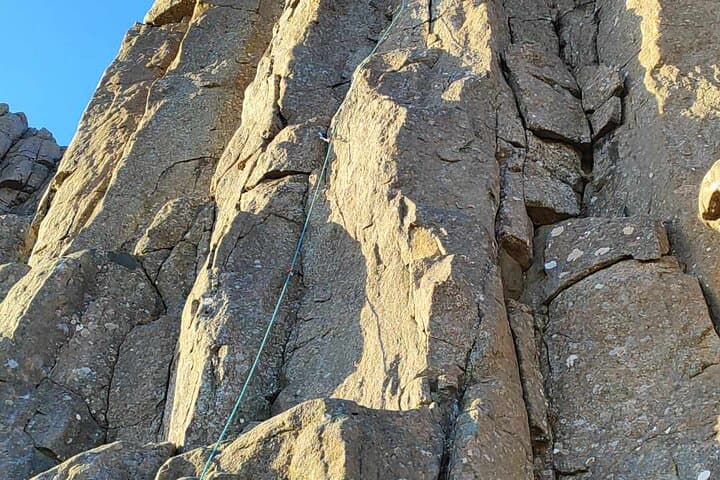
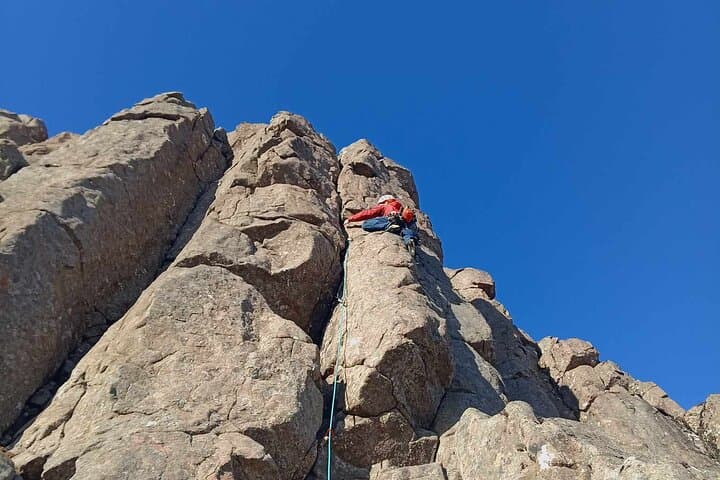
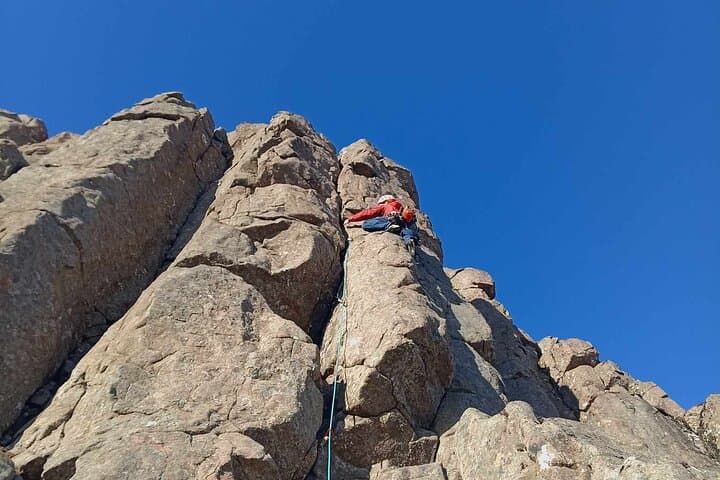
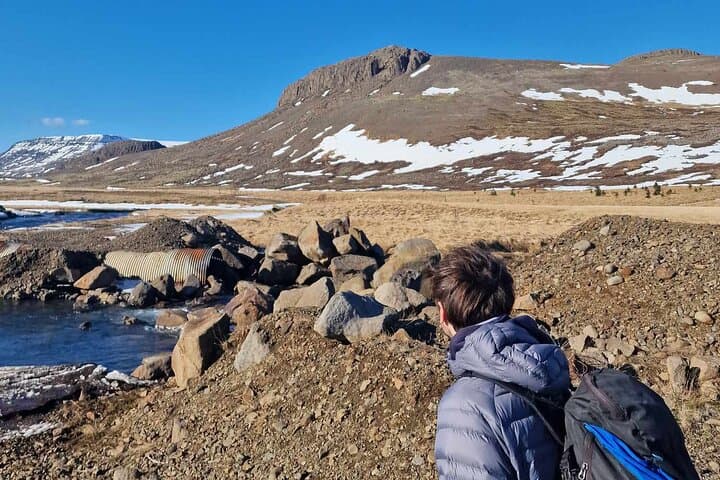
You arrive outside Reykjavík with a light wind off Faxaflói Bay and a guide who has already checked the forecasts. A 45–60 minute drive peels you out of the city and into a landscape that switches from asphalt to sheep tracks, then to a ribbon of basalt cliffs and scattered scree. The first clifftop looks like a ruined amphitheater: fractured basalt columns, sun-bleached lichen, and faces that beg to be climbed. Guides rig anchors where the rock is solid, hand you a helmet and shoes, and ask what you want to work on — technique, trad placements, or the simple joy of top-roping above the sea.
Verified experiences and guided adventures in the surrounding area.
Operated by Explorer's Edge · Reykjavík, Capital Region
You arrive outside Reykjavík with a light wind off Faxaflói Bay and a guide who has already checked the forecasts. A 45–60 minute drive peels you out of the city and into a landscape that switches from asphalt to sheep tracks, then to a ribbon of basalt cliffs and scattered scree. The first clifftop looks like a ruined amphitheater: fractured basalt columns, sun-bleached lichen, and faces that beg to be climbed. Guides rig anchors where the rock is solid, hand you a helmet and shoes, and ask what you want to work on — technique, trad placements, or the simple joy of top-roping above the sea.
Iceland’s climbing is younger than its volcanoes but older than its tourists. The routes ride on bedrock forged by lava flows and sculpted by ice; many of the crags around Reykjavík are exposed, coarse-grained basalt and tuff layers that split into cracks and slabs. Local culture treats climbing as pragmatic outdoor time: a chance to test skills while moving through land historically used for grazing and coastal fishing. Guides are as likely to point out a glacial erratic or a fisherman's hut as they are to demonstrate a clean heel-toe technique.
Geology shows up in the climbing — expect timeless, angular features and pockets formed by cooling lava. The sea and weather are active partners here: wind can suddenly push on you, and rain slicks the rock. Because the company tailors each outing to ability, a beginner can learn rope systems and belaying on lower, protected routes while an advanced climber can be guided into trad placements and multi-pitch moves when conditions allow.
Practical details are straightforward. Meet in Reykjavík; the outing is roughly 5 hours door-to-door including a one-hour drive each way. Groups are small (max four) and guides provide harnesses, helmets, ropes, and basic protective gear. Expect short approaches (10–40 minutes) with elevation gains of 50–300 meters depending on the crag. Footing is uneven—trail shoes or approach shoes are essential; climbing shoes are provided for top-rope sessions.
Timing matters: mornings or late afternoons reduce wind and give cleaner light for photos; avoid heavy rain and temperatures near freezing for safer friction. Communicate medical or experience details ahead of time so guides can place you on the right routes. You’ll leave with new skills, a clearer sense of Iceland’s volcanic bones, and a memory of climbing where rock, sea, and weather conspire to keep you focused on every hand and foot placement.
moderate.
5 hours.
Light to moderate fitness; able to manage short steep approaches and stay active for a half-day.
No—this tour is tailored for all levels; beginners receive full instruction on harnesses, rope systems, and belaying.
Climbing locations are chosen based on weather but are typically a 45–60 minute drive from central Reykjavík.
Yes—experienced climbers can request trad-focused outings; disclose experience when booking as trad requires additional skills and adjustments.
Guides supply helmets, harnesses, ropes, and basic protective gear; you can bring personal climbing shoes if preferred.
Layer breathable clothing with a windproof/waterproof shell and approach shoes; avoid cotton next to skin in cold or wet conditions.
Children can join if they are comfortable with safety briefings and the operator approves based on age and maturity—check with the guide when booking.
The cliffs used for climbing are part of lava flows shaped by eruptions and subsequent glacial sculpting; coastal fishing settlements nearby show the human history of the shore.
Stick to established approaches, carry out all waste, and respect seasonal bird-nesting closures; local guides manage access to reduce erosion and disturbance.
Explorer's Edge operates guided outdoor trips and adventures with an emphasis on safety, stewardship, and memorable experiences.
You arrive outside Reykjavík with a light wind off Faxaflói Bay and a guide who has already checked the forecasts. A 45–60 minute drive peels you out of the city and into a landscape that switches from asphalt to sheep tracks, then to a ribbon of basalt cliffs and scattered scree. The first clifftop looks like a ruined amphitheater: fractured basalt columns, sun-bleached lichen, and faces that beg to be climbed. Guides rig anchors where the rock is solid, hand you a helmet and shoes, and ask what you want to work on — technique, trad placements, or the simple joy of top-roping above the sea.
You arrive outside Reykjavík with a light wind off Faxaflói Bay and a guide who has already checked the forecasts. A 45–60 minute drive peels you out of the city and into a landscape that switches from asphalt to sheep tracks, then to a ribbon of basalt cliffs and scattered scree. The first clifftop looks like a ruined amphitheater: fractured basalt columns, sun-bleached lichen, and faces that beg to be climbed. Guides rig anchors where the rock is solid, hand you a helmet and shoes, and ask what you want to work on — technique, trad placements, or the simple joy of top-roping above the sea.
Iceland’s climbing is younger than its volcanoes but older than its tourists. The routes ride on bedrock forged by lava flows and sculpted by ice; many of the crags around Reykjavík are exposed, coarse-grained basalt and tuff layers that split into cracks and slabs. Local culture treats climbing as pragmatic outdoor time: a chance to test skills while moving through land historically used for grazing and coastal fishing. Guides are as likely to point out a glacial erratic or a fisherman's hut as they are to demonstrate a clean heel-toe technique.
Geology shows up in the climbing — expect timeless, angular features and pockets formed by cooling lava. The sea and weather are active partners here: wind can suddenly push on you, and rain slicks the rock. Because the company tailors each outing to ability, a beginner can learn rope systems and belaying on lower, protected routes while an advanced climber can be guided into trad placements and multi-pitch moves when conditions allow.
Practical details are straightforward. Meet in Reykjavík; the outing is roughly 5 hours door-to-door including a one-hour drive each way. Groups are small (max four) and guides provide harnesses, helmets, ropes, and basic protective gear. Expect short approaches (10–40 minutes) with elevation gains of 50–300 meters depending on the crag. Footing is uneven—trail shoes or approach shoes are essential; climbing shoes are provided for top-rope sessions.
Timing matters: mornings or late afternoons reduce wind and give cleaner light for photos; avoid heavy rain and temperatures near freezing for safer friction. Communicate medical or experience details ahead of time so guides can place you on the right routes. You’ll leave with new skills, a clearer sense of Iceland’s volcanic bones, and a memory of climbing where rock, sea, and weather conspire to keep you focused on every hand and foot placement.