THE ADVENTURE COLLECTIVE® · Independent discovery and booking for outdoor travel

Escape Dubrovnik’s crowds for a four-hour intro to sport climbing on sea-facing limestone. Guided top-rope instruction, routes from 4b–7a, and dramatic Adriatic views make this a perfect mix of technique and scenery.
Escape Dubrovnik’s crowds for a four-hour intro to sport climbing on sea-facing limestone. Guided top-rope instruction, routes from 4b–7a, and dramatic Adriatic views make this a perfect mix of technique and scenery.
You step out of Dubrovnik's Old Town heat and into a different rhythm: the sea holds its breath below and a pale limestone wall stares back, bold and weathered. The drive is under 20 minutes, then a short, rocky approach—sneakers scuffing loose stones—brings you beneath a sweep of vertical rock that has been carved by wind, salt, and time. Guides sling ropes, fit harnesses, and talk quietly about routes; the cliff feels patient, daring you to move.
Verified experiences and guided adventures in the surrounding area.
Operated by Hiking Dubrovnik · Dubrovnik, Dubrovnik-Neretva County
You step out of Dubrovnik's Old Town heat and into a different rhythm: the sea holds its breath below and a pale limestone wall stares back, bold and weathered. The drive is under 20 minutes, then a short, rocky approach—sneakers scuffing loose stones—brings you beneath a sweep of vertical rock that has been carved by wind, salt, and time. Guides sling ropes, fit harnesses, and talk quietly about routes; the cliff feels patient, daring you to move.
This coastline is part of the Dinaric Karst edge, where the same tectonic forces that raised the Adriatic coast left steep faces of compact limestone. The area around Dubrovnik has a long maritime history—the city itself is a walled republic turned UNESCO site—and these cliffs were used for fishing and small-scale quarrying before climbers began bolting sport routes. Today the sectors offer routes from beginner 4b to challenging 7a, usually bolted for sport climbing and commonly run as top-rope for safety and learning.
Expect vertical pitches of roughly 10–25 meters with pocketed holds and occasional tufas; the rock is gritty and honest, demanding footwork more than brute force. Local guides prioritize technique: you learn rope management, efficient foot placement, and how to trust the belay. The day also includes brief instruction on safety and the chance to climb multiple routes under guided top-rope belays—an ideal entry point for first-timers and a solid workout for experienced climbers refining movement.
Practicalities matter: the outing lasts about four hours, with a short walk from the meeting point and minimal elevation gain. Climbers are provided with harnesses, helmets, and—on many tours—rock shoes; still, bring sturdy trainers for the approach. Hydration and sun protection are essential; the wall faces south in many sectors and there is little shade in summer. Guides limit group sizes, keeping instruction personal and efficient.
Timing shifts the experience: mornings are cool, the rock sticky with grip; afternoons can be hot and bright, making longer rests welcome. Photographers will find dramatic sea-and-city frames when the light slants from the west. Culturally, climbing here is a small, welcoming community—local guides often point out hidden coves and a favorite konoba (tavern) for a post-climb meal.
If you want a compact adventure that pairs technical movement with Adriatic views, this Dubrovnik climb delivers: it’s instructive, achievable, and anchored in place and history. Come prepared, expect hands-on coaching, and leave with a clearer sense of how the cliff rewards focus and patience.
moderate.
4 hours.
Moderate—comfortable with short hikes, stair-like approaches, and repeated pulling on routes for a few hours.
No. The trip is designed for beginners and intermediates; guides provide top-rope instruction and belay all participants.
Yes. Guides usually supply harnesses, helmets, and often climbing shoes—verify with the operator before arrival if you prefer your own gear.
Approaches are short—typically 5–15 minutes from the parking or meeting point—over uneven, rocky ground.
Comfortable activewear, closed-toe shoes for the approach, and layers for cooler mornings; avoid flip-flops and long skirts.
Children can participate if accompanied by an adult and meeting the operator’s age and fitness guidelines; check booking requirements for minimum ages.
Trips are cancelled in poor weather for safety; cancellation policies typically allow full refunds if made 24 hours in advance.
The coastal cliffs are part of the Dinaric karst system that shaped the Adriatic shoreline; Dubrovnik’s seafaring past contrasts with the inland karst geology that produced these climbable faces.
Stick to established paths and avoid leaving chalk marks off-route; local operators support low-impact practices to preserve sensitive coastal vegetation.
Hiking Dubrovnik operates guided outdoor trips and adventures with an emphasis on safety, stewardship, and memorable experiences.
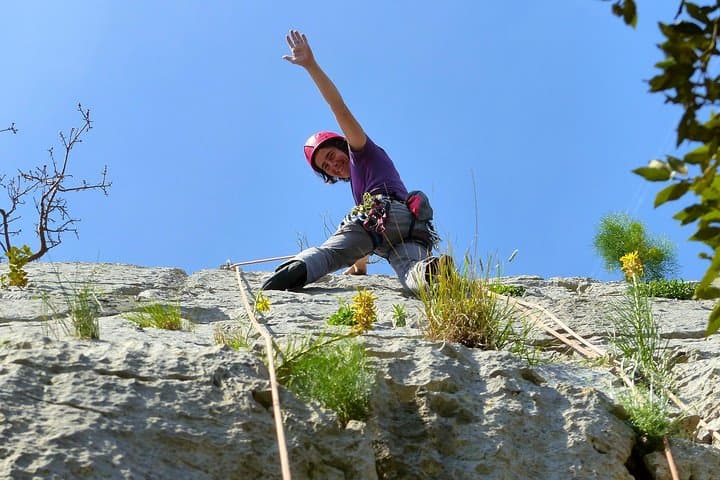
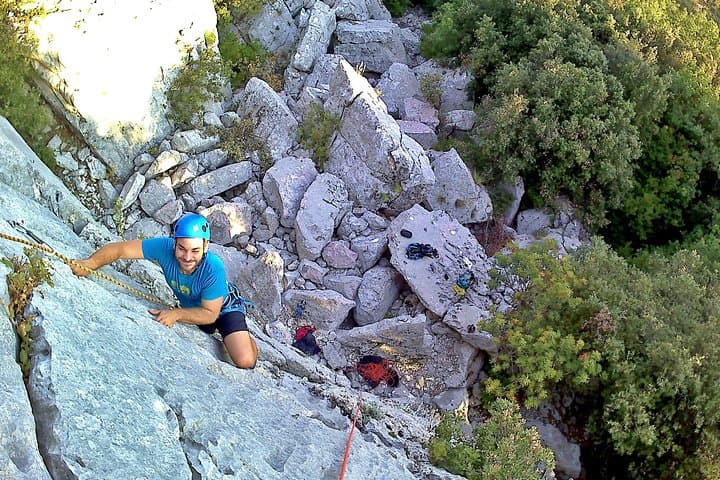
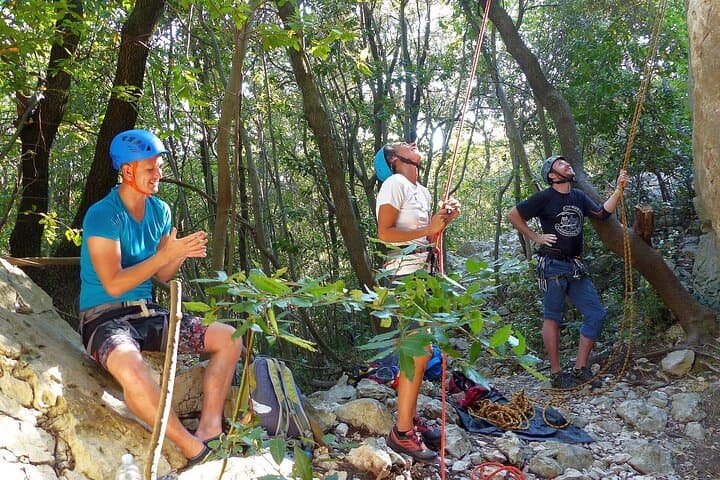
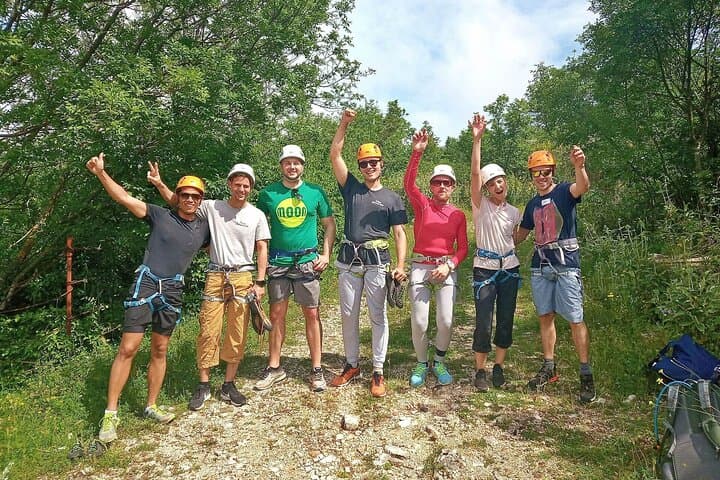
You step out of Dubrovnik's Old Town heat and into a different rhythm: the sea holds its breath below and a pale limestone wall stares back, bold and weathered. The drive is under 20 minutes, then a short, rocky approach—sneakers scuffing loose stones—brings you beneath a sweep of vertical rock that has been carved by wind, salt, and time. Guides sling ropes, fit harnesses, and talk quietly about routes; the cliff feels patient, daring you to move.
You step out of Dubrovnik's Old Town heat and into a different rhythm: the sea holds its breath below and a pale limestone wall stares back, bold and weathered. The drive is under 20 minutes, then a short, rocky approach—sneakers scuffing loose stones—brings you beneath a sweep of vertical rock that has been carved by wind, salt, and time. Guides sling ropes, fit harnesses, and talk quietly about routes; the cliff feels patient, daring you to move.
This coastline is part of the Dinaric Karst edge, where the same tectonic forces that raised the Adriatic coast left steep faces of compact limestone. The area around Dubrovnik has a long maritime history—the city itself is a walled republic turned UNESCO site—and these cliffs were used for fishing and small-scale quarrying before climbers began bolting sport routes. Today the sectors offer routes from beginner 4b to challenging 7a, usually bolted for sport climbing and commonly run as top-rope for safety and learning.
Expect vertical pitches of roughly 10–25 meters with pocketed holds and occasional tufas; the rock is gritty and honest, demanding footwork more than brute force. Local guides prioritize technique: you learn rope management, efficient foot placement, and how to trust the belay. The day also includes brief instruction on safety and the chance to climb multiple routes under guided top-rope belays—an ideal entry point for first-timers and a solid workout for experienced climbers refining movement.
Practicalities matter: the outing lasts about four hours, with a short walk from the meeting point and minimal elevation gain. Climbers are provided with harnesses, helmets, and—on many tours—rock shoes; still, bring sturdy trainers for the approach. Hydration and sun protection are essential; the wall faces south in many sectors and there is little shade in summer. Guides limit group sizes, keeping instruction personal and efficient.
Timing shifts the experience: mornings are cool, the rock sticky with grip; afternoons can be hot and bright, making longer rests welcome. Photographers will find dramatic sea-and-city frames when the light slants from the west. Culturally, climbing here is a small, welcoming community—local guides often point out hidden coves and a favorite konoba (tavern) for a post-climb meal.
If you want a compact adventure that pairs technical movement with Adriatic views, this Dubrovnik climb delivers: it’s instructive, achievable, and anchored in place and history. Come prepared, expect hands-on coaching, and leave with a clearer sense of how the cliff rewards focus and patience.