THE ADVENTURE COLLECTIVE® · Independent discovery and booking for outdoor travel

Swap Keswick’s postcard views for the vertical slate of Borrowdale and Derwentwater. This guided rock-climbing session pairs accredited MCI instructors with classic single-pitch climbs and optional abseils—ideal for beginners wanting a solid technical introduction and stronger climbers after iconic Lake District lines.
Swap Keswick’s postcard views for the vertical slate of Borrowdale and Derwentwater. This guided rock-climbing session pairs accredited MCI instructors with classic single-pitch climbs and optional abseils—ideal for beginners wanting a solid technical introduction and stronger climbers after iconic Lake District lines.
A scrape of chalk, the hiss of rope through a belay plate and the first real view over Derwentwater—this is how a morning in Keswick begins when you trade the town’s tidy streets for the ragged gray of Lakeland crags.
Verified experiences and guided adventures in the surrounding area.
Operated by MobileAdventure · Keswick, Cumbria
A scrape of chalk, the hiss of rope through a belay plate and the first real view over Derwentwater—this is how a morning in Keswick begins when you trade the town’s tidy streets for the ragged gray of Lakeland crags.
Instructors from the UK’s Mountain Instructor Certificate scheme (formerly MIA, now MCI) meet groups at a discreet start point outside Keswick—don’t rely on a postcode; directions come after booking. From there a short drive and a 5–30 minute walk deliver you to single-pitch faces and slabby routes that have tested climbers for generations. Wind-polished rock, pockets and edges that read like a map, and routes ranging from straightforward top-ropes to more committing leads make this a compact but complete climbing day.
Geologically, the Borrowdale and Skiddaw terranes fold together here into volcaniclastic rock and lavas laid down in the Ordovician. That means solid, coarse-grained faces with discreet cracks and flakes—good for hands and smearing alike. The climbing culture in Keswick grew with quarrying and fellwalking: locals who once hauled stone now guide visitors up the same faces, and many of the classic lines were put up in the mid-20th century when British rock climbing matured into a sport.
Expect views: Derwentwater flashing between green shoulders, Skiddaw’s bulk across the valley, and sheep moving like small punctuation marks on the fells. Wildlife keeps pace at a distance—red grouse and the occasional peregrine make an appearance. Photography is rewarding but intermittent—routes are compact, so you’ll trade sweeping panoramas for intimate shots of hands, feet and rock texture.
Practically, the session runs about three hours with a maximum group size around 12. The company provides harness, helmet, ropes and climbing shoes; instructors teach belaying, clipping and safe movement so no previous technical skill is required. Routes include short single-pitches (10–40m) and options to climb higher or finish with an abseil. A moderate level of fitness helps—expect short uphill approaches, scrambling and standing on your feet for periods.
Weather is decisive; the operator cancels in poor conditions and all sales are final. Bring a waterproof layer, sturdy approach shoes, plenty of water and snacks, and be ready to follow the guide’s safety brief strictly. Bookings require correct contact details so the team can send precise meeting instructions—this is half the journey in the Lake District.
For travelers who want a compact, technically supportive introduction to UK trad and sport crags, Keswick’s guided climbs deliver focused learning, memorable exposure and a day framed by some of the Lake District’s cleanest stone.
moderate.
3 hours.
Moderate fitness: able to handle short uphill approaches, scrambling and standing for several climbs.
No—sessions are designed for all levels. Instructors teach belaying, rope management and basic movement; intermediate climbers can work on harder lines.
Harness, helmet, ropes and climbing shoes are provided; photos from the day are often included.
Moderate: short uphill approaches, standing for climbs, and basic upper-body effort—suitable for those with reasonable mobility.
Guides tailor the day to the group. Beginners will use top-ropes; experienced climbers can be offered lead options depending on skill and conditions.
The operator cancels in poor conditions for safety and rock quality. The booking is non-refundable per the company’s all-sales-final policy, but they will cancel for bad weather.
Do not use a postcode—after booking you’ll receive detailed directions and a contact number from the operator; ensure your email and phone number are correct.
Local stonework and fellwalking shaped Keswick’s climbing culture—many early routes were developed by quarrymen and mountaineers in the mid-20th century.
Stick to marked approaches and avoid trampling vegetation; local guides work with landowners to minimize impact and protect nesting birds in season.
MobileAdventure operates guided outdoor trips and adventures with an emphasis on safety, stewardship, and memorable experiences.
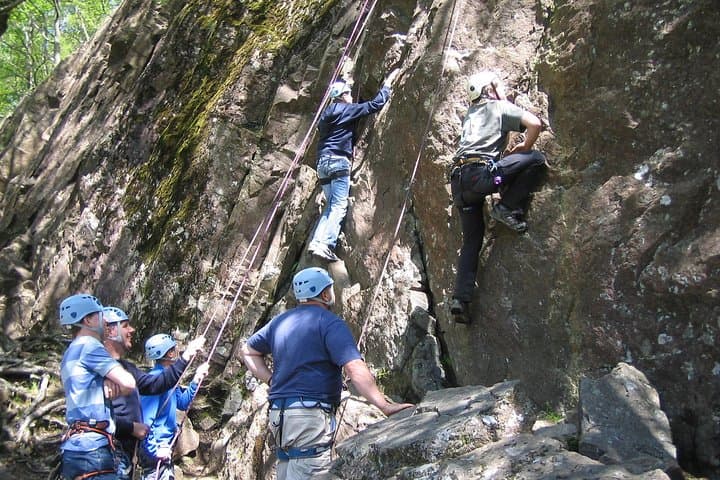
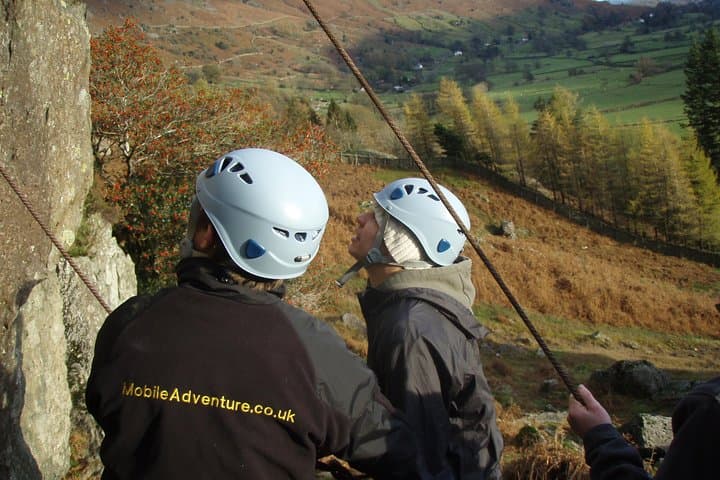
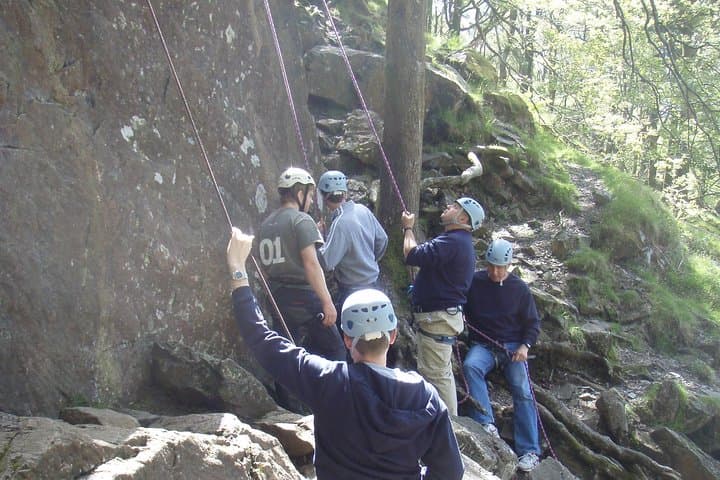
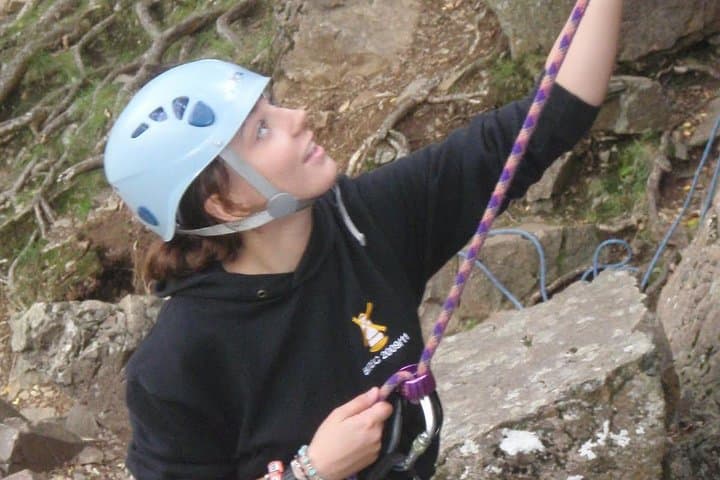
A scrape of chalk, the hiss of rope through a belay plate and the first real view over Derwentwater—this is how a morning in Keswick begins when you trade the town’s tidy streets for the ragged gray of Lakeland crags.
A scrape of chalk, the hiss of rope through a belay plate and the first real view over Derwentwater—this is how a morning in Keswick begins when you trade the town’s tidy streets for the ragged gray of Lakeland crags.
Instructors from the UK’s Mountain Instructor Certificate scheme (formerly MIA, now MCI) meet groups at a discreet start point outside Keswick—don’t rely on a postcode; directions come after booking. From there a short drive and a 5–30 minute walk deliver you to single-pitch faces and slabby routes that have tested climbers for generations. Wind-polished rock, pockets and edges that read like a map, and routes ranging from straightforward top-ropes to more committing leads make this a compact but complete climbing day.
Geologically, the Borrowdale and Skiddaw terranes fold together here into volcaniclastic rock and lavas laid down in the Ordovician. That means solid, coarse-grained faces with discreet cracks and flakes—good for hands and smearing alike. The climbing culture in Keswick grew with quarrying and fellwalking: locals who once hauled stone now guide visitors up the same faces, and many of the classic lines were put up in the mid-20th century when British rock climbing matured into a sport.
Expect views: Derwentwater flashing between green shoulders, Skiddaw’s bulk across the valley, and sheep moving like small punctuation marks on the fells. Wildlife keeps pace at a distance—red grouse and the occasional peregrine make an appearance. Photography is rewarding but intermittent—routes are compact, so you’ll trade sweeping panoramas for intimate shots of hands, feet and rock texture.
Practically, the session runs about three hours with a maximum group size around 12. The company provides harness, helmet, ropes and climbing shoes; instructors teach belaying, clipping and safe movement so no previous technical skill is required. Routes include short single-pitches (10–40m) and options to climb higher or finish with an abseil. A moderate level of fitness helps—expect short uphill approaches, scrambling and standing on your feet for periods.
Weather is decisive; the operator cancels in poor conditions and all sales are final. Bring a waterproof layer, sturdy approach shoes, plenty of water and snacks, and be ready to follow the guide’s safety brief strictly. Bookings require correct contact details so the team can send precise meeting instructions—this is half the journey in the Lake District.
For travelers who want a compact, technically supportive introduction to UK trad and sport crags, Keswick’s guided climbs deliver focused learning, memorable exposure and a day framed by some of the Lake District’s cleanest stone.