THE ADVENTURE COLLECTIVE® · Independent discovery and booking for outdoor travel

A single day that moves from the prison island where Nelson Mandela was held to the wind-swept plateau of Table Mountain, this private guided tour stitches Cape Town’s turbulent history to its dramatic coastal landscape. Expect ferry crossings, city monuments, and a cable car ascent with sweeping Atlantic views.
A single day that moves from the prison island where Nelson Mandela was held to the wind-swept plateau of Table Mountain, this private guided tour stitches Cape Town’s turbulent history to its dramatic coastal landscape. Expect ferry crossings, city monuments, and a cable car ascent with sweeping Atlantic views.
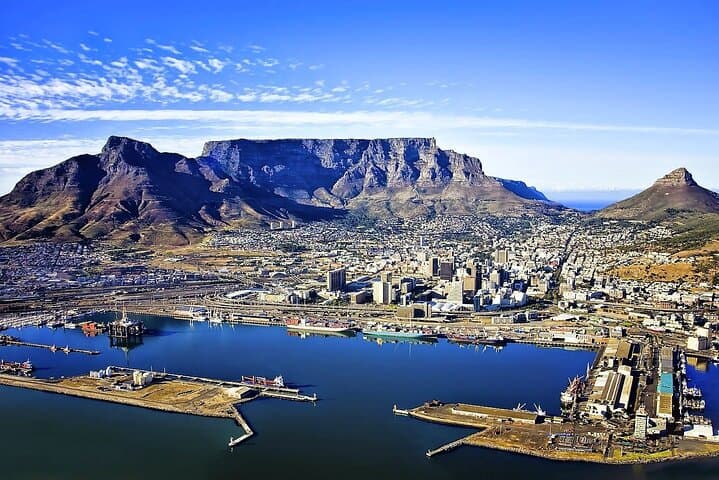
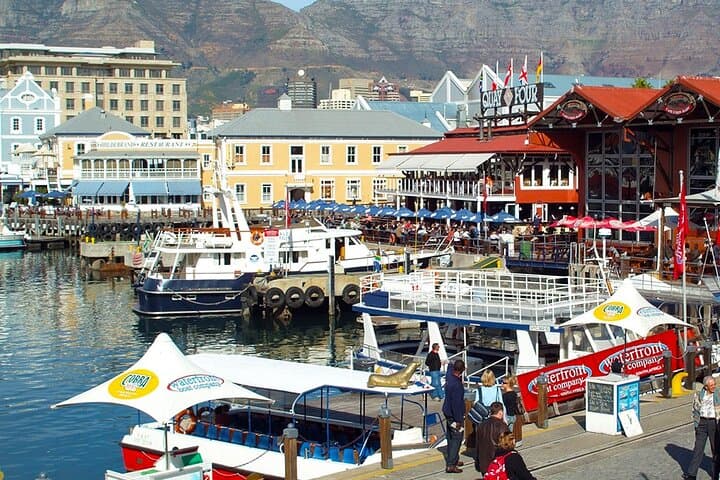
The ferry shudders away from the V&A Waterfront and the city slides into a thinner, salt-scrubbed air; Table Mountain watches from across the harbor, an old, flat-backed giant with wind always on its lips. On this nine‑hour private loop through Cape Town, the landscape moves from ocean to plateau to cobbled streets while a guide stitches together scenes of imprisonment, trade, and everyday life.
Verified experiences and guided adventures in the surrounding area.
Operated by Africa Moja Tours & Safaris · Cape Town, Western Cape
The ferry shudders away from the V&A Waterfront and the city slides into a thinner, salt-scrubbed air; Table Mountain watches from across the harbor, an old, flat-backed giant with wind always on its lips. On this nine‑hour private loop through Cape Town, the landscape moves from ocean to plateau to cobbled streets while a guide stitches together scenes of imprisonment, trade, and everyday life.
Robben Island begins the narrative. The former prison — where Nelson Mandela spent 18 of 27 years — is a place that forces a quiet step: iron bars, gaunt limestone buildings, and the open sea that was both barrier and witness. Back on the mainland the story widens. The Castle of Good Hope, raised by the Dutch East India Company in 1666, still leans into colonial memory; nearby a plinth marks the tree where slaves were once traded, an uncomfortable landmark that anchors Cape Town’s early economy to the human cost of empire.
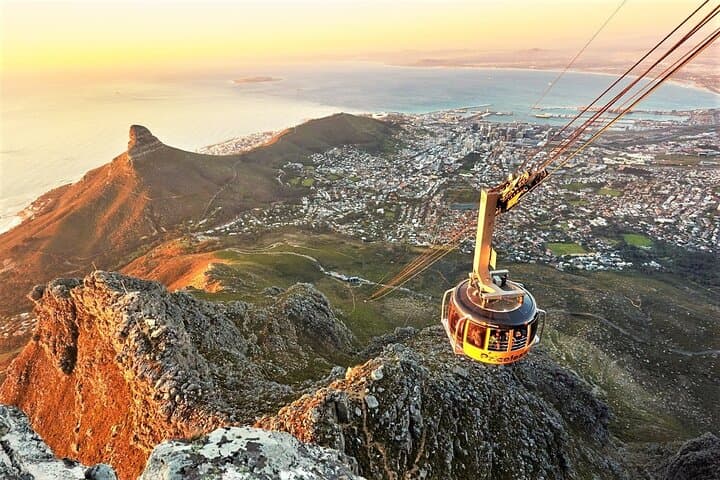
Geology explains the skyline. Table Mountain’s sandstone cap is Palaeozoic—a hard, flat shelf carved by wind and rain into broad, wind-blasted ledges. The cable car climbs that slab with clinical ease, depositing you on a plateau where the Atlantic dares you to step closer and Signal Hill angles the city below like a patchwork map. In Bo‑Kaap, the streets tell a different story: Cape Malay culture, spices carried across oceans, and homes painted the bright colors that marked a neighborhood’s resilience and renewal.
Local museums thread the tour together: the Holocaust Centre reframes global cruelty in a South African context, and smaller community sites preserve memory in ways that change how you look at the city’s facades.
Practical guidance: the full itinerary runs roughly nine hours and starts with hotel pickup; bottled water and entrance fees are included, and the Robben Island ferry and Table Mountain Cableway are booked as part of the tour. Weather dictates the plan—if the wind closes the cableway or sea conditions cancel the ferry, operators typically adjust timing or refund per the 24‑hour cancellation policy. Wear sturdy shoes and a windproof jacket; Table Mountain is markedly colder and windier than the waterfront.
Expect walking, museum interiors with stairs, and short ferry transfers. Bring motion‑sickness remedies if you’re prone to rolly water, and carry a small daypack for layers and camera gear. The day rewards patience and attention: the city’s layered history unfolds in places where stone meets sea and memory meets the present.
easy.
9 hours.
Suitable for most fitness levels; expect several hours of walking on cobbles, stairs, and the Table Mountain plateau.
The tour lasts approximately nine hours, including ferry time to Robben Island, guided site visits, a cable car ascent, and city stops.
The ferry and some island areas have accessibility options, but terrain is uneven; contact the operator ahead to arrange assistance and confirm access for specific needs.
If the cableway is closed for wind, guides will adjust the itinerary where possible or reschedule that portion; refunds follow the operator’s 24‑hour cancellation policy if the ascent is not possible.
Yes — entrance fees, the Robben Island tour, Table Mountain Cableway access, and bottled water are included in the tour price.
Children can join; infants must sit on an adult’s lap for ferry transfers and specialized infant seats are available. Notify the operator during booking for arrangements.
Book early, especially in summer tourist season, to secure Robben Island ferry and Table Mountain Cableway times—weekends and holidays fill quickly.
Robben Island was used as a political prison during apartheid; the Castle of Good Hope, built in 1666 by the Dutch East India Company, is Cape Town’s oldest surviving colonial structure.
Table Mountain is part of a national park with strict trail management to prevent erosion; Robben Island Museum works to preserve prison sites and limit visitor impact—stay on paths and avoid single‑use waste.
Africa Moja Tours & Safaris operates guided outdoor trips and adventures with an emphasis on safety, stewardship, and memorable experiences.
The ferry shudders away from the V&A Waterfront and the city slides into a thinner, salt-scrubbed air; Table Mountain watches from across the harbor, an old, flat-backed giant with wind always on its lips. On this nine‑hour private loop through Cape Town, the landscape moves from ocean to plateau to cobbled streets while a guide stitches together scenes of imprisonment, trade, and everyday life.
The ferry shudders away from the V&A Waterfront and the city slides into a thinner, salt-scrubbed air; Table Mountain watches from across the harbor, an old, flat-backed giant with wind always on its lips. On this nine‑hour private loop through Cape Town, the landscape moves from ocean to plateau to cobbled streets while a guide stitches together scenes of imprisonment, trade, and everyday life.
Robben Island begins the narrative. The former prison — where Nelson Mandela spent 18 of 27 years — is a place that forces a quiet step: iron bars, gaunt limestone buildings, and the open sea that was both barrier and witness. Back on the mainland the story widens. The Castle of Good Hope, raised by the Dutch East India Company in 1666, still leans into colonial memory; nearby a plinth marks the tree where slaves were once traded, an uncomfortable landmark that anchors Cape Town’s early economy to the human cost of empire.
Geology explains the skyline. Table Mountain’s sandstone cap is Palaeozoic—a hard, flat shelf carved by wind and rain into broad, wind-blasted ledges. The cable car climbs that slab with clinical ease, depositing you on a plateau where the Atlantic dares you to step closer and Signal Hill angles the city below like a patchwork map. In Bo‑Kaap, the streets tell a different story: Cape Malay culture, spices carried across oceans, and homes painted the bright colors that marked a neighborhood’s resilience and renewal.
Local museums thread the tour together: the Holocaust Centre reframes global cruelty in a South African context, and smaller community sites preserve memory in ways that change how you look at the city’s facades.
Practical guidance: the full itinerary runs roughly nine hours and starts with hotel pickup; bottled water and entrance fees are included, and the Robben Island ferry and Table Mountain Cableway are booked as part of the tour. Weather dictates the plan—if the wind closes the cableway or sea conditions cancel the ferry, operators typically adjust timing or refund per the 24‑hour cancellation policy. Wear sturdy shoes and a windproof jacket; Table Mountain is markedly colder and windier than the waterfront.
Expect walking, museum interiors with stairs, and short ferry transfers. Bring motion‑sickness remedies if you’re prone to rolly water, and carry a small daypack for layers and camera gear. The day rewards patience and attention: the city’s layered history unfolds in places where stone meets sea and memory meets the present.