THE ADVENTURE COLLECTIVE® · Independent discovery and booking for outdoor travel

Skip the ticket lines and let a single day stitch Cape Town’s hardest history to its highest viewpoints. Pre-booked Robben Island and Table Mountain tickets with hotel pickup streamline a full-day dive into apartheid-era sites, colorful neighborhoods and a cable-car ascent to panoramic fynbos.
Skip the ticket lines and let a single day stitch Cape Town’s hardest history to its highest viewpoints. Pre-booked Robben Island and Table Mountain tickets with hotel pickup streamline a full-day dive into apartheid-era sites, colorful neighborhoods and a cable-car ascent to panoramic fynbos.
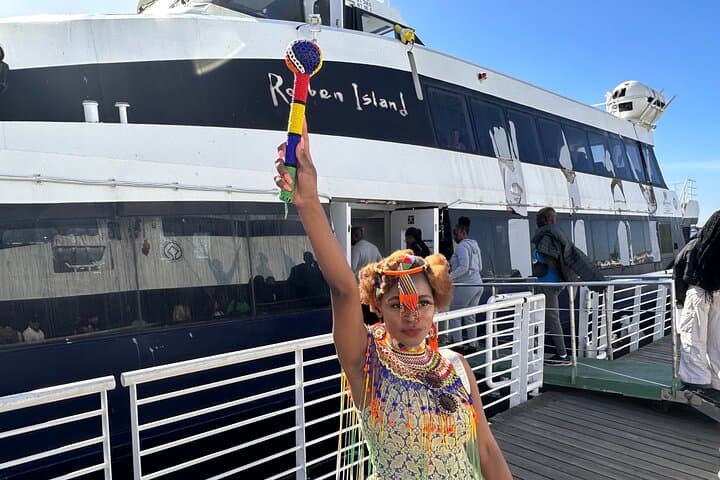
You step off the shuttle at the Nelson Mandela Gateway and the city tilts behind you — a low hum of harbor cranes, café steam and gulls. The ferry slips from the quay and Cape Town shrinks into a stack of colorful roofs; the wind sculpts the ocean and seems to push the boat toward Robben Island as if the sea itself insists you go.
Verified experiences and guided adventures in the surrounding area.
Operated by Beyond Africa Safaris (Pty)Ltd · Cape Town, Western Cape
You step off the shuttle at the Nelson Mandela Gateway and the city tilts behind you — a low hum of harbor cranes, café steam and gulls. The ferry slips from the quay and Cape Town shrinks into a stack of colorful roofs; the wind sculpts the ocean and seems to push the boat toward Robben Island as if the sea itself insists you go.
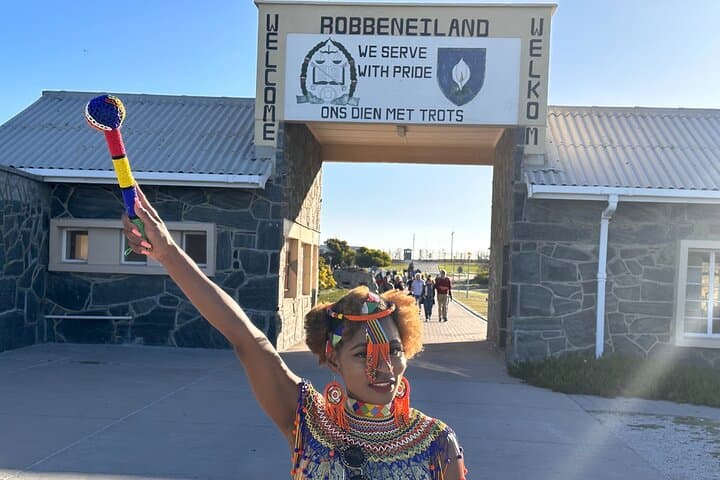
Robben Island is blunt history: wind-swept limestone, weathered cell blocks and a guide whose voice carries more than words — often an ex-prisoner who maps the contours of confinement with quiet specificity. The island was a prison for political detainees during apartheid and earlier hosted a leper colony, a fort and a lime quarry. Walking the paths where Mandela labored and resisted, visitors get a clear sense of how place and policy intersected here.
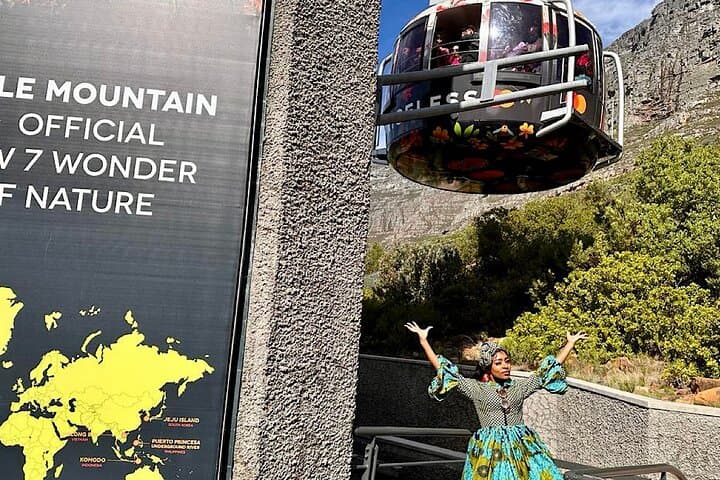
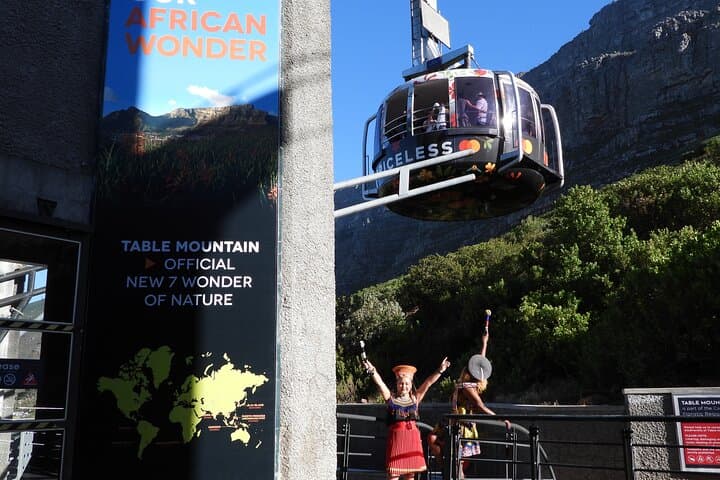
Later, the tour returns to shore and the van threads through the technicolor streets of Bo-Kaap — low houses painted in saturated jewel tones that reflect Cape Malay history and the flavors of an enduring community. The day ends on Table Mountain, one of the modern Seven Wonders of Nature. The cable car rises more than 1,000 meters in minutes, depositing you onto a sandstone plateau carved by ancient geological forces and crowned by endemic fynbos that clings to shallow soils.
Between the two icons, the itinerary balances context and convenience: a guided Robben Island tour led by a former inmate, a Bo-Kaap photo stop, time for a light lunch, and a pre-booked return ticket for Table Mountain cableway. Practicalities matter — weather closes the ferry and cable car more often than visitors expect — but the operator’s hotel pickup and bottled water mean most logistics are handled.
For travelers, this is a compact Cape Town primer: history that demands attention, geology that demands a camera, and neighborhoods that demand curiosity. Expect uneven surfaces on the island and atop the mountain, a lot of walking and strong winds that will rearrange your layers. Bring sun protection and your passport for boarding. Aim for an early pickup to beat afternoon gusts and give yourself time for lunch in the V&A Waterfront after the island run.
This combined excursion is efficient without feeling rushed — it threads the city’s political memory to its natural spectacle in a single, full day. If the elements conspire, operators usually offer refunds or rescheduling for Robben Island and Table Mountain closures, but check the small-print. Otherwise, it’s a day where history and horizon meet, and Cape Town’s coastline dares you to look harder.
moderate.
8 hours (approx.).
Suitable for most travelers who can handle multiple short walks, stairs and standing on the ferry; basic mobility required.
Yes — you must present valid government ID or a passport for ferry boarding; supply details during booking.
Operators typically offer refunds or rescheduling when Robben Island or the Table Mountain cable car closes for safety — confirm their policy at booking.
Ferry crossings take about 30–45 minutes each way; the guided island tour generally lasts 3–4 hours including transport and museum access.
No — the itinerary allows time for a light lunch at your own expense after the island tour.
Infants and small children can use strollers in parts of the tour, but expect uneven surfaces on the island; child seats are available for hotel transfers.
This package includes a pre-booked cable car return ticket; if you prefer to hike, arrange that separately and inform the operator.
Robben Island served as a prison for political prisoners during apartheid; tours often include commentary from former inmates and focus on the island’s 20th-century role in South Africa’s political struggle.
Table Mountain’s fynbos is globally unique and sensitive to trampling and invasive plants; Robben Island is managed for both heritage and ecological values — stick to paths and follow guide instructions.
Beyond Africa Safaris (Pty)Ltd operates guided outdoor trips and adventures with an emphasis on safety, stewardship, and memorable experiences.
You step off the shuttle at the Nelson Mandela Gateway and the city tilts behind you — a low hum of harbor cranes, café steam and gulls. The ferry slips from the quay and Cape Town shrinks into a stack of colorful roofs; the wind sculpts the ocean and seems to push the boat toward Robben Island as if the sea itself insists you go.
You step off the shuttle at the Nelson Mandela Gateway and the city tilts behind you — a low hum of harbor cranes, café steam and gulls. The ferry slips from the quay and Cape Town shrinks into a stack of colorful roofs; the wind sculpts the ocean and seems to push the boat toward Robben Island as if the sea itself insists you go.
Robben Island is blunt history: wind-swept limestone, weathered cell blocks and a guide whose voice carries more than words — often an ex-prisoner who maps the contours of confinement with quiet specificity. The island was a prison for political detainees during apartheid and earlier hosted a leper colony, a fort and a lime quarry. Walking the paths where Mandela labored and resisted, visitors get a clear sense of how place and policy intersected here.
Later, the tour returns to shore and the van threads through the technicolor streets of Bo-Kaap — low houses painted in saturated jewel tones that reflect Cape Malay history and the flavors of an enduring community. The day ends on Table Mountain, one of the modern Seven Wonders of Nature. The cable car rises more than 1,000 meters in minutes, depositing you onto a sandstone plateau carved by ancient geological forces and crowned by endemic fynbos that clings to shallow soils.
Between the two icons, the itinerary balances context and convenience: a guided Robben Island tour led by a former inmate, a Bo-Kaap photo stop, time for a light lunch, and a pre-booked return ticket for Table Mountain cableway. Practicalities matter — weather closes the ferry and cable car more often than visitors expect — but the operator’s hotel pickup and bottled water mean most logistics are handled.
For travelers, this is a compact Cape Town primer: history that demands attention, geology that demands a camera, and neighborhoods that demand curiosity. Expect uneven surfaces on the island and atop the mountain, a lot of walking and strong winds that will rearrange your layers. Bring sun protection and your passport for boarding. Aim for an early pickup to beat afternoon gusts and give yourself time for lunch in the V&A Waterfront after the island run.
This combined excursion is efficient without feeling rushed — it threads the city’s political memory to its natural spectacle in a single, full day. If the elements conspire, operators usually offer refunds or rescheduling for Robben Island and Table Mountain closures, but check the small-print. Otherwise, it’s a day where history and horizon meet, and Cape Town’s coastline dares you to look harder.