THE ADVENTURE COLLECTIVE® · Independent discovery and booking for outdoor travel

Board a ferry from the V&A Waterfront and follow an ex-political prisoner through Robben Island’s prison and quarry, then wind back into the city for Bo-Kaap’s colorful streets, Table Mountain views and coastal drive-bys. This eight-hour combo tour pairs hard history with local culture and practical logistics for a full Cape Town day.
Board a ferry from the V&A Waterfront and follow an ex-political prisoner through Robben Island’s prison and quarry, then wind back into the city for Bo-Kaap’s colorful streets, Table Mountain views and coastal drive-bys. This eight-hour combo tour pairs hard history with local culture and practical logistics for a full Cape Town day.
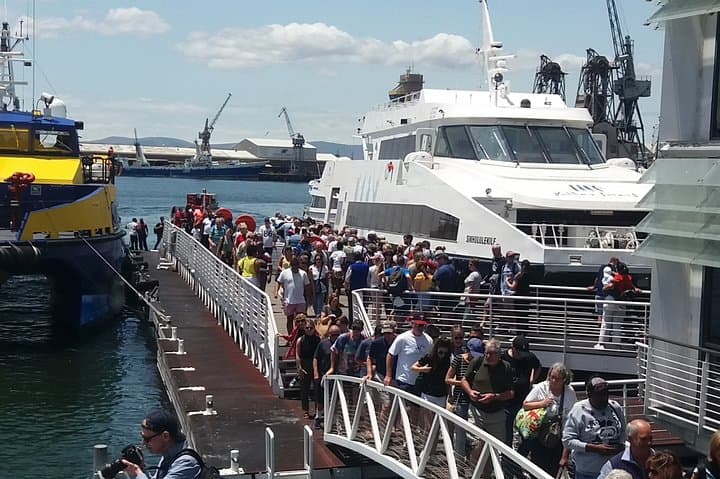
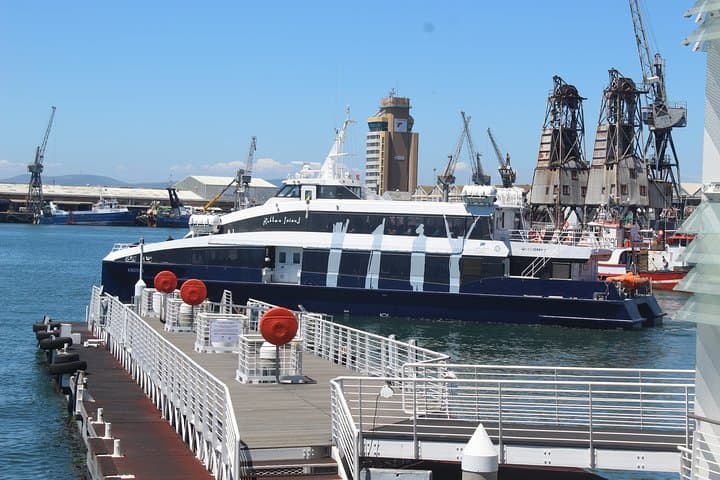
The ferry eases away from the V&A Waterfront and the Atlantic breeze immediately begins to rewrite the day's temperature — cool, sharp, insistent. Robben Island grows out of the sea like a pale, flat memory; its low buildings and quarry faces are small from a distance but heavy with history. On arrival, a former political prisoner leads the group along the island road, voice steady, pointing out the quarry where men labored and the cells that held Nelson Mandela and others. The guide’s hands and stories give the place its scale: sterile concrete becomes a ledger of lives and laws.
Verified experiences and guided adventures in the surrounding area.
Operated by Remigeous Tsuro · Cape Town, Western Cape
The ferry eases away from the V&A Waterfront and the Atlantic breeze immediately begins to rewrite the day's temperature — cool, sharp, insistent. Robben Island grows out of the sea like a pale, flat memory; its low buildings and quarry faces are small from a distance but heavy with history. On arrival, a former political prisoner leads the group along the island road, voice steady, pointing out the quarry where men labored and the cells that held Nelson Mandela and others. The guide’s hands and stories give the place its scale: sterile concrete becomes a ledger of lives and laws.
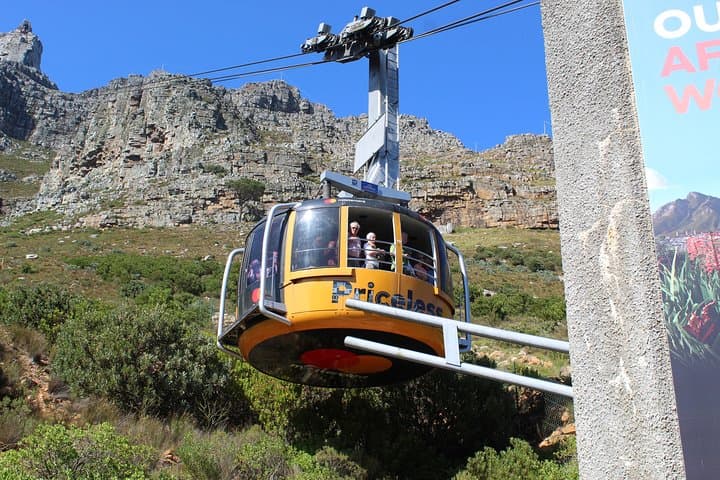
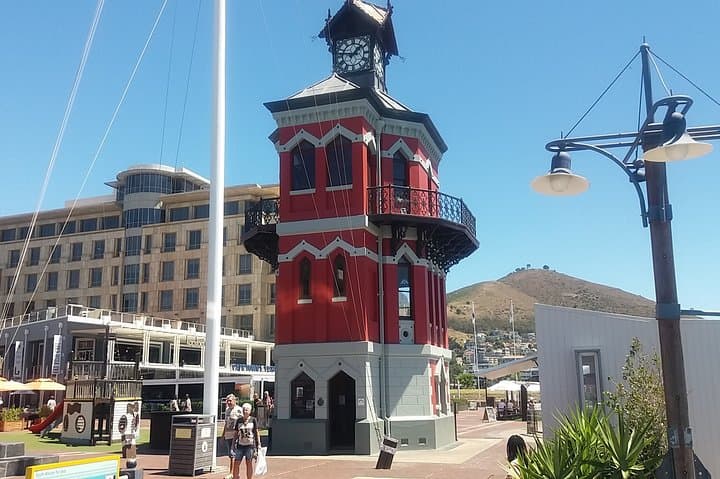
Back on the mainland the tour shifts gears into the city — past Table Mountain’s bulk, across the Atlantic Seaboard and into the tiled, cheerful rows of Bo-Kaap. Here, steep cobbled streets and brightly painted houses read like a catalogue of Cape Malay heritage: curry spice vendors, small mosques, and neighbors who will greet you in Afrikaans, English or Malay. Drive-bys include the Cape Town Stadium, Clifton and Camps Bay beaches, and the green lungs of the Company’s Garden. Each stop layers a different era: Dutch East India Company architecture, the scars of forced removals in District Six, and the complex arc of South Africa’s 20th-century politics.
Robben Island is not just a stop; it’s the core educational component. Guided bus tours trace the prisoner experience — food rations, health conditions, labor — and the island cemetery and museum contextualize years of resistance. Bo-Kaap, by contrast, is intimate: walkable, photo-ready, and a reminder of how communities persisted through colonial and apartheid-era regulations.
Practicality here matters. The full experience runs roughly eight hours and includes round-trip ferry tickets and hotel pick-up within 5km of the city center. Expect moderate walking on uneven surfaces at the island and steep cobbles in Bo-Kaap; wear sturdy shoes and bring a windproof layer for the ferry. Photography is welcomed outdoors; inside certain museum spaces and cells, guides will note restrictions out of respect for the site and its survivors.
Timing is tactical: morning ferries are usually calmer and put you back in Cape Town in time for an afternoon of V&A Waterfront exploration or a sunset at Signal Hill. The tour accepts mobile tickets and is limited to small groups for a more personal experience. It’s a day that pairs hard history with the sensory pleasures of Cape Town — sea air, mountain views, and bright streets — but it asks for attention and respect. Listen closely on the island; the best moments are the ones where a single voice makes the past precise.
easy.
8 hours.
Light to moderate fitness; able to walk 1–3 miles across uneven terrain and climb short steps.
The tour lasts about eight hours, including ferry crossings, the guided Robben Island visit and the city drive with stops in Bo-Kaap and other landmarks.
Yes — the island tour includes an accredited guide who served time there, offering first-hand narratives of daily life under apartheid.
The operator notes stroller access for infants; Robben Island’s ground can be uneven and some buildings have limited accessibility — contact the supplier ahead for specific arrangements.
Meals are not included; there are cafe options at the V&A Waterfront and kiosks in the city for lunch during the day.
Bring ID, a jacket, sunscreen, and any motion-sickness medication; large bags may be subject to security screening so travel light.
Full refunds are available if you cancel at least 24 hours before departure; the tour will also cancel in bad weather or if there are insufficient travelers.
Robben Island housed political prisoners during apartheid and its prison is now a museum guided in part by former inmates; Bo-Kaap preserves Cape Malay cultural heritage dating to the 18th century.
Robben Island is a protected heritage site — follow all rules to limit erosion and disturbance; coastal areas around Table Bay are subject to marine conservation efforts, so avoid littering and feeding wildlife.
Remigeous Tsuro operates guided outdoor trips and adventures with an emphasis on safety, stewardship, and memorable experiences.
The ferry eases away from the V&A Waterfront and the Atlantic breeze immediately begins to rewrite the day's temperature — cool, sharp, insistent. Robben Island grows out of the sea like a pale, flat memory; its low buildings and quarry faces are small from a distance but heavy with history. On arrival, a former political prisoner leads the group along the island road, voice steady, pointing out the quarry where men labored and the cells that held Nelson Mandela and others. The guide’s hands and stories give the place its scale: sterile concrete becomes a ledger of lives and laws.
The ferry eases away from the V&A Waterfront and the Atlantic breeze immediately begins to rewrite the day's temperature — cool, sharp, insistent. Robben Island grows out of the sea like a pale, flat memory; its low buildings and quarry faces are small from a distance but heavy with history. On arrival, a former political prisoner leads the group along the island road, voice steady, pointing out the quarry where men labored and the cells that held Nelson Mandela and others. The guide’s hands and stories give the place its scale: sterile concrete becomes a ledger of lives and laws.
Back on the mainland the tour shifts gears into the city — past Table Mountain’s bulk, across the Atlantic Seaboard and into the tiled, cheerful rows of Bo-Kaap. Here, steep cobbled streets and brightly painted houses read like a catalogue of Cape Malay heritage: curry spice vendors, small mosques, and neighbors who will greet you in Afrikaans, English or Malay. Drive-bys include the Cape Town Stadium, Clifton and Camps Bay beaches, and the green lungs of the Company’s Garden. Each stop layers a different era: Dutch East India Company architecture, the scars of forced removals in District Six, and the complex arc of South Africa’s 20th-century politics.
Robben Island is not just a stop; it’s the core educational component. Guided bus tours trace the prisoner experience — food rations, health conditions, labor — and the island cemetery and museum contextualize years of resistance. Bo-Kaap, by contrast, is intimate: walkable, photo-ready, and a reminder of how communities persisted through colonial and apartheid-era regulations.
Practicality here matters. The full experience runs roughly eight hours and includes round-trip ferry tickets and hotel pick-up within 5km of the city center. Expect moderate walking on uneven surfaces at the island and steep cobbles in Bo-Kaap; wear sturdy shoes and bring a windproof layer for the ferry. Photography is welcomed outdoors; inside certain museum spaces and cells, guides will note restrictions out of respect for the site and its survivors.
Timing is tactical: morning ferries are usually calmer and put you back in Cape Town in time for an afternoon of V&A Waterfront exploration or a sunset at Signal Hill. The tour accepts mobile tickets and is limited to small groups for a more personal experience. It’s a day that pairs hard history with the sensory pleasures of Cape Town — sea air, mountain views, and bright streets — but it asks for attention and respect. Listen closely on the island; the best moments are the ones where a single voice makes the past precise.