THE ADVENTURE COLLECTIVE® · Independent discovery and booking for outdoor travel

Swap the plane for a panoramic road day: this private transfer from Zagreb to Dubrovnik stops for a guided visit to Plitvice Lakes National Park, where boardwalks thread across turquoise pools and cascading travertine dams. Expect a long day, geological wonder, and a dramatic shift from inland forests to Adriatic coastlines.
Swap the plane for a panoramic road day: this private transfer from Zagreb to Dubrovnik stops for a guided visit to Plitvice Lakes National Park, where boardwalks thread across turquoise pools and cascading travertine dams. Expect a long day, geological wonder, and a dramatic shift from inland forests to Adriatic coastlines.
The van eases away from Zagreb before sunrise, headlights carving a ribbon through morning mist as karst hills begin to appear like stone waves. By the time you crest the last pass the lakes are doing what they do best: catching light and holding it. Wooden boardwalks thread across turquoise pools while waterfalls insistently redraw the shoreline; the air smells of wet beech and limestone. For a single long day this tour trades airport impatience for a landscape that moves at its own pace.
Verified experiences and guided adventures in the surrounding area.
Operated by Budget Transfer Croatia · Plitvička Jezera, Lika-Senj County
The van eases away from Zagreb before sunrise, headlights carving a ribbon through morning mist as karst hills begin to appear like stone waves. By the time you crest the last pass the lakes are doing what they do best: catching light and holding it. Wooden boardwalks thread across turquoise pools while waterfalls insistently redraw the shoreline; the air smells of wet beech and limestone. For a single long day this tour trades airport impatience for a landscape that moves at its own pace.
Plitvice Lakes National Park is one of Southeast Europe’s oldest protected areas and a geological classroom — travertine dams grow where mineral-rich water meets moss and microbes, creating stepped lakes that glow from aquamarine to deep green. The walkways (about 18 km of planks and paths in total across the park) let you travel close to that slow geology: you’ll cross multiple cascades and glimpse a karst system fed by subterranean rivers. Culturally, the route between Zagreb and Dubrovnik shifts from inland continental Croatia—fields, small market towns and forested plateaus—toward the Adriatic coast’s Mediterranean cadence, where olive groves and stone houses replace beech forest.
This one-way private transfer folds in three hours of guided time inside Plitvice — enough to see several major cascades, some quieter lakes, and a confident handful of birds and native orchids. Guides typically manage logistics so luggage rides with the driver while you walk; from the park the road drops you toward the Dalmatian coast and Dubrovnik’s old walls as daylight narrows.
Practical guide: the day is long — expect roughly 2–2.5 hours Zagreb→Plitvice, a 3‑hour park window on-foot (mostly easy boardwalks but with steps and some muddy sections after rain), then a further 6–7 hours to Dubrovnik depending on traffic and breaks. You must carry a valid passport for border or ID checks; dress in layers and bring waterproofs because the park’s microclimate changes quickly. Footwear should be sturdy with good grip; some boardwalks get slippery. Hydrate and pack snacks for the drive — options en route are limited.
Best time is late spring through early fall when trails are open and waterfalls are fed. If you have time, consider an overnight between Zagreb and Dubrovnik to stretch the journey into a two-day exploration of Lika’s villages or the coastal towns near Šibenik. On the road, be prepared for long stretches of driving and a day that rewards those who trade speed for scenery.
moderate.
12 hours.
Moderate fitness—able to walk 3–5 miles over varied terrain, tolerate several hours in a vehicle
The itinerary includes approximately 3 hours of guided time inside the park—enough to visit the main cascades and several lakes via boardwalks.
Admission is typically not included in the transfer price; check booking details and have local currency or card ready for park entry.
No—your luggage is kept safe in the vehicle with the driver while you explore the park on foot.
Yes—infant seats are available, but families should account for the long travel day and moderate walking sections.
A current valid passport is required; any visa requirements are the traveler’s responsibility and must be arranged in advance.
The tour usually runs in light rain; cancellation policies allow full refund if you cancel at least 24 hours before departure. Operators decide on cancellations for severe conditions.
Plitvice's protected status dates to the early 20th century; its travertine cascades are the product of centuries-long limestone deposition shaped by human and microbial activity.
Visitor numbers are managed seasonally to protect delicate travertine formation and endemic plant life—stay on boardwalks and carry out all waste.
Budget Transfer Croatia operates guided outdoor trips and adventures with an emphasis on safety, stewardship, and memorable experiences.
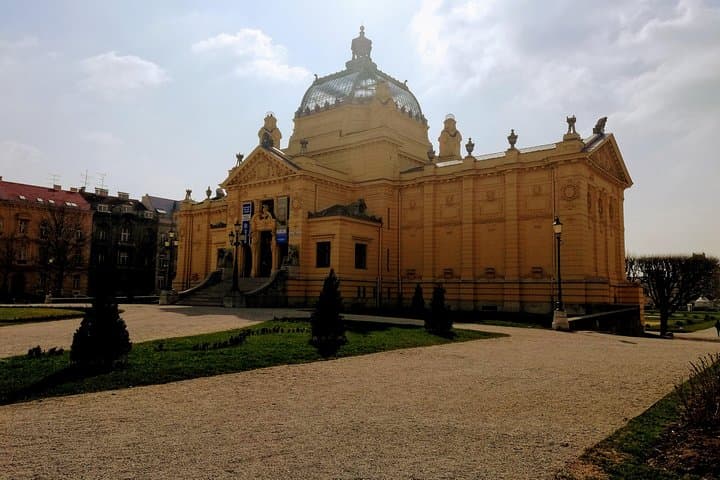
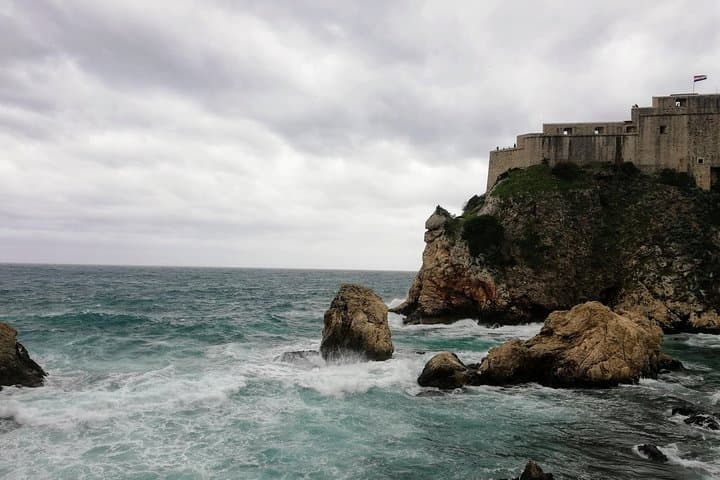
The van eases away from Zagreb before sunrise, headlights carving a ribbon through morning mist as karst hills begin to appear like stone waves. By the time you crest the last pass the lakes are doing what they do best: catching light and holding it. Wooden boardwalks thread across turquoise pools while waterfalls insistently redraw the shoreline; the air smells of wet beech and limestone. For a single long day this tour trades airport impatience for a landscape that moves at its own pace.
The van eases away from Zagreb before sunrise, headlights carving a ribbon through morning mist as karst hills begin to appear like stone waves. By the time you crest the last pass the lakes are doing what they do best: catching light and holding it. Wooden boardwalks thread across turquoise pools while waterfalls insistently redraw the shoreline; the air smells of wet beech and limestone. For a single long day this tour trades airport impatience for a landscape that moves at its own pace.
Plitvice Lakes National Park is one of Southeast Europe’s oldest protected areas and a geological classroom — travertine dams grow where mineral-rich water meets moss and microbes, creating stepped lakes that glow from aquamarine to deep green. The walkways (about 18 km of planks and paths in total across the park) let you travel close to that slow geology: you’ll cross multiple cascades and glimpse a karst system fed by subterranean rivers. Culturally, the route between Zagreb and Dubrovnik shifts from inland continental Croatia—fields, small market towns and forested plateaus—toward the Adriatic coast’s Mediterranean cadence, where olive groves and stone houses replace beech forest.
This one-way private transfer folds in three hours of guided time inside Plitvice — enough to see several major cascades, some quieter lakes, and a confident handful of birds and native orchids. Guides typically manage logistics so luggage rides with the driver while you walk; from the park the road drops you toward the Dalmatian coast and Dubrovnik’s old walls as daylight narrows.
Practical guide: the day is long — expect roughly 2–2.5 hours Zagreb→Plitvice, a 3‑hour park window on-foot (mostly easy boardwalks but with steps and some muddy sections after rain), then a further 6–7 hours to Dubrovnik depending on traffic and breaks. You must carry a valid passport for border or ID checks; dress in layers and bring waterproofs because the park’s microclimate changes quickly. Footwear should be sturdy with good grip; some boardwalks get slippery. Hydrate and pack snacks for the drive — options en route are limited.
Best time is late spring through early fall when trails are open and waterfalls are fed. If you have time, consider an overnight between Zagreb and Dubrovnik to stretch the journey into a two-day exploration of Lika’s villages or the coastal towns near Šibenik. On the road, be prepared for long stretches of driving and a day that rewards those who trade speed for scenery.