THE ADVENTURE COLLECTIVE® · Independent discovery and booking for outdoor travel

Drive one of the world’s most famous coastal roads with a local guide who opens doors to hidden falls, black sand, lava tubes and a bamboo grove. This guided Road to Hāna day tour balances scenic stops with cultural context and practical logistics for a full, eight-hour adventure.
Drive one of the world’s most famous coastal roads with a local guide who opens doors to hidden falls, black sand, lava tubes and a bamboo grove. This guided Road to Hāna day tour balances scenic stops with cultural context and practical logistics for a full, eight-hour adventure.
The van peels away from Paia as the coastline tightens, surf boiling against black lava and hibiscus-streaked cliffs rising like folded pages. Each hairpin summons a new scene: a mini-waterfall slipping across ferns, a lane-bridge threaded with native vines, a stand of rainbow eucalyptus that seems painted by a careful hand. On a guided Road to Hāna tour, the route itself becomes a sequence of small pilgrimages—short hikes, salt-scented overlooks and a handful of places you can actually step out of the car and listen.
Verified experiences and guided adventures in the surrounding area.
Operated by Aloha Wild Tours · Hana, Hawaii
The van peels away from Paia as the coastline tightens, surf boiling against black lava and hibiscus-streaked cliffs rising like folded pages. Each hairpin summons a new scene: a mini-waterfall slipping across ferns, a lane-bridge threaded with native vines, a stand of rainbow eucalyptus that seems painted by a careful hand. On a guided Road to Hāna tour, the route itself becomes a sequence of small pilgrimages—short hikes, salt-scented overlooks and a handful of places you can actually step out of the car and listen.
Maui's eastern flank is young geology in motion. Volcanic flows from Haleakalā laid the foundation, then decades of rain carved deep gullies and choked valleys with emerald growth. Polynesian voyagers settled pockets of the coast centuries ago; Hāna remained remote long enough to develop a distinct local rhythm—a slow commerce of taro, banana, and fish that still colors the town's character. Guides on these tours bring that context alive, pointing out old irrigation channels, cultural sites, and how the rainforest's wet microclimates support plants not seen on leeward slopes.
The itinerary reads like a greatest-hits list: dramatic waterfalls where you can cool off, Waiʻānapanapa’s black sand and lava caves, the bamboo grove where the path hushes to a different tempo, and a slice of the famously red sand at Kaihalulu. Beyond the photo ops, there are quieter moments—snacking on local fruits, watching a reef turtle surface, or stepping into a lava tube if conditions permit. Food on the route skews to island comfort: smoky huli huli chicken, sticky rice and fruity shave ice when you crave it.
Practicalities shape the day as much as scenery. Expect a long day—about eight hours—with multiple short walks: the bamboo grove is mostly flat but other stops include slick rocks and uneven trails. Road conditions are part of the experience; the route has many one-lane bridges and tight turns, so trust an experienced driver. Weather can flip quickly—sun to downpour—so layer up and keep a dry bag for cameras and phones.
For planning: bring sturdy shoes that can get wet, reef-safe sunscreen, cash for small vendors, and a swimsuit if you want to jump in beneath a cascade. Start early to avoid crowds and to have the flexibility to linger where the day feels right. Respect private property and cultural sites, follow your guide's instructions at cliff edges and tide pools, and leave no trace—this corridor's beauty depends on how we treat it.
By the time the van turns back toward the main road, the light has softened and the island's wet side seems to exhale. The Road to Hāna is less about a destination than a practiced, patient way to see Maui: close, tactile and generous with surprises.
moderate.
8 hours.
Moderate fitness: able to manage several short hikes (10–30 minutes) on uneven, sometimes slippery terrain.
This is an approximately 8-hour shared tour with round-trip hotel pickups, typically starting between 8–9 AM.
Yes at permitted spots—always check with your guide for safe swimming locations and current conditions; some areas have strong currents or submerged rocks.
Families and older travelers can join, but participants should be mobile enough for short hikes and able to handle vehicle motion on winding roads.
Restrooms are limited; there are public facilities at certain stops and a lunch stop, but bring hand sanitizer and plan accordingly.
Bring small bills for local vendors, parking donations or snacks—card machines are not always available at roadside stands.
The Road to Hāna has many one-lane bridges and tight turns; follow your guide’s instructions, avoid distracted driving, and don’t attempt the route in a rental car without experience.
Hāna's isolation preserved Hawaiian agricultural practices and cultural sites; old lo‘i (taro terraces) and indigenous place names are common along the route.
Many stops are ecologically sensitive; use reef-safe sunscreen, stay on trails, and pack out trash to protect fragile coastal and wet forest habitats.
Aloha Wild Tours operates guided outdoor trips and adventures with an emphasis on safety, stewardship, and memorable experiences.
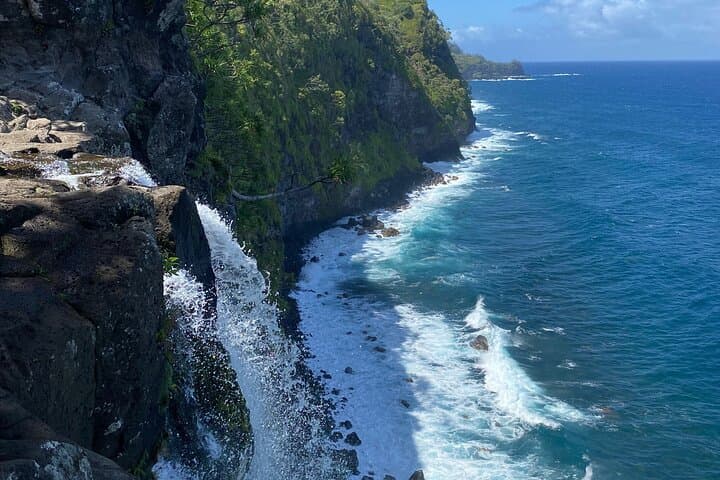
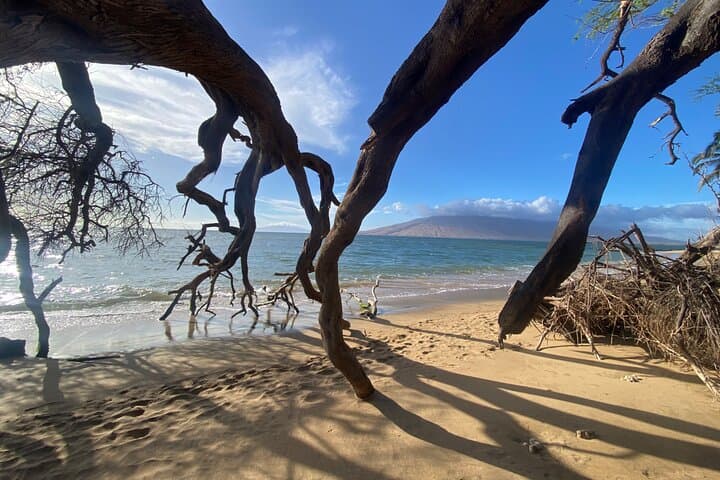
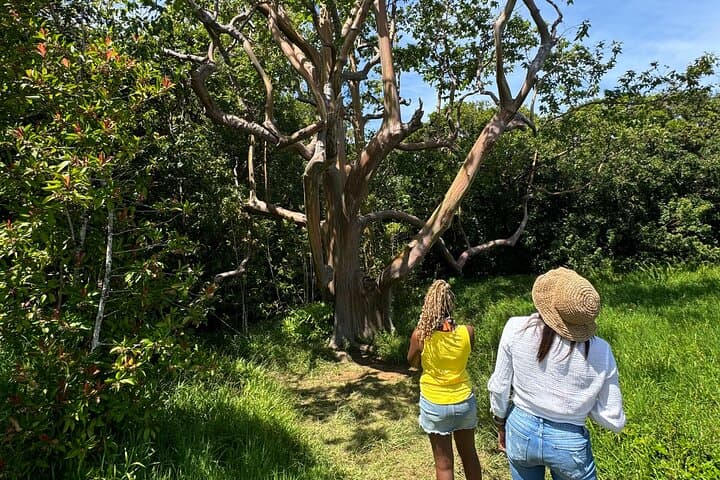
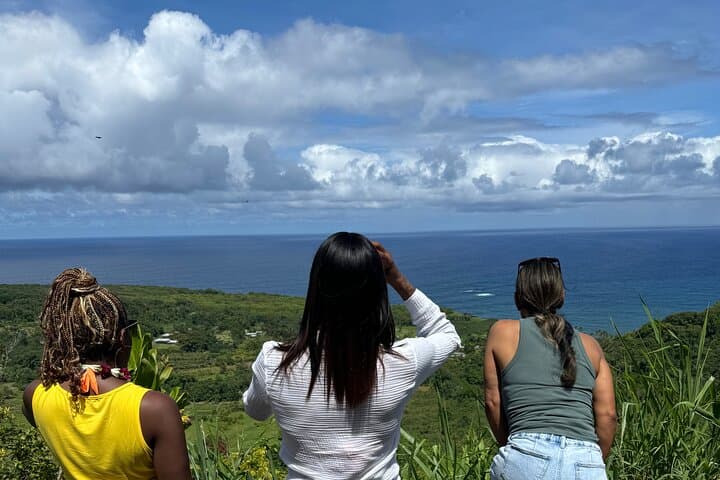
The van peels away from Paia as the coastline tightens, surf boiling against black lava and hibiscus-streaked cliffs rising like folded pages. Each hairpin summons a new scene: a mini-waterfall slipping across ferns, a lane-bridge threaded with native vines, a stand of rainbow eucalyptus that seems painted by a careful hand. On a guided Road to Hāna tour, the route itself becomes a sequence of small pilgrimages—short hikes, salt-scented overlooks and a handful of places you can actually step out of the car and listen.
The van peels away from Paia as the coastline tightens, surf boiling against black lava and hibiscus-streaked cliffs rising like folded pages. Each hairpin summons a new scene: a mini-waterfall slipping across ferns, a lane-bridge threaded with native vines, a stand of rainbow eucalyptus that seems painted by a careful hand. On a guided Road to Hāna tour, the route itself becomes a sequence of small pilgrimages—short hikes, salt-scented overlooks and a handful of places you can actually step out of the car and listen.
Maui's eastern flank is young geology in motion. Volcanic flows from Haleakalā laid the foundation, then decades of rain carved deep gullies and choked valleys with emerald growth. Polynesian voyagers settled pockets of the coast centuries ago; Hāna remained remote long enough to develop a distinct local rhythm—a slow commerce of taro, banana, and fish that still colors the town's character. Guides on these tours bring that context alive, pointing out old irrigation channels, cultural sites, and how the rainforest's wet microclimates support plants not seen on leeward slopes.
The itinerary reads like a greatest-hits list: dramatic waterfalls where you can cool off, Waiʻānapanapa’s black sand and lava caves, the bamboo grove where the path hushes to a different tempo, and a slice of the famously red sand at Kaihalulu. Beyond the photo ops, there are quieter moments—snacking on local fruits, watching a reef turtle surface, or stepping into a lava tube if conditions permit. Food on the route skews to island comfort: smoky huli huli chicken, sticky rice and fruity shave ice when you crave it.
Practicalities shape the day as much as scenery. Expect a long day—about eight hours—with multiple short walks: the bamboo grove is mostly flat but other stops include slick rocks and uneven trails. Road conditions are part of the experience; the route has many one-lane bridges and tight turns, so trust an experienced driver. Weather can flip quickly—sun to downpour—so layer up and keep a dry bag for cameras and phones.
For planning: bring sturdy shoes that can get wet, reef-safe sunscreen, cash for small vendors, and a swimsuit if you want to jump in beneath a cascade. Start early to avoid crowds and to have the flexibility to linger where the day feels right. Respect private property and cultural sites, follow your guide's instructions at cliff edges and tide pools, and leave no trace—this corridor's beauty depends on how we treat it.
By the time the van turns back toward the main road, the light has softened and the island's wet side seems to exhale. The Road to Hāna is less about a destination than a practiced, patient way to see Maui: close, tactile and generous with surprises.