THE ADVENTURE COLLECTIVE® · Independent discovery and booking for outdoor travel

Combine a sunrise on Maui’s 10,023-foot Haleakala summit with a classic Road to Hana coastal drive in one long, cinematic day. Expect volcanic panoramas, rainforest tunnels, roadside waterfalls and a tactile sense of Hawaiian history — all with logistics handled by a permitted, experienced operator.
Combine a sunrise on Maui’s 10,023-foot Haleakala summit with a classic Road to Hana coastal drive in one long, cinematic day. Expect volcanic panoramas, rainforest tunnels, roadside waterfalls and a tactile sense of Hawaiian history — all with logistics handled by a permitted, experienced operator.
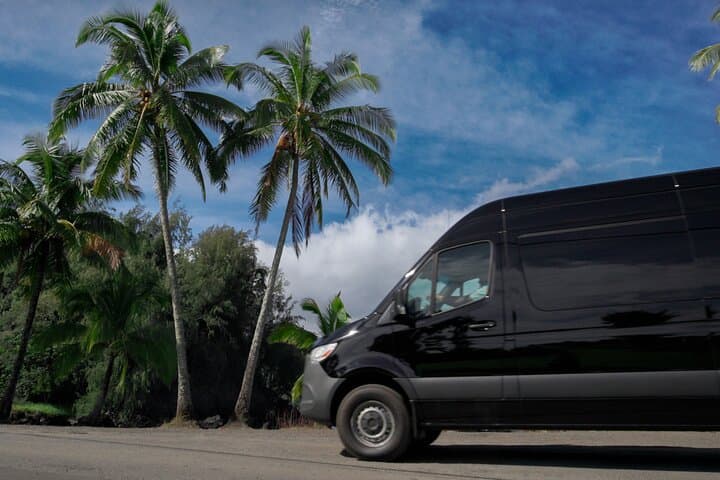
You step onto the shuttle before dawn, coffee fogging in your hands, and the island folds around you like a map being smoothed out. By the time the van climbs toward Haleakala’s rim the sky is bleaching from navy to pale gold; clouds huddle in the crater like a sleeping ocean daring you to peer over the lip. Later, the Road to Hana unfurls along the wind-whipped east coast — waterfalls thread down basalt walls and a painted forest of rainbow eucalyptus flashes like a roadside gallery.
Verified experiences and guided adventures in the surrounding area.
Operated by Aloha Eco Adventures · Kahului, Hawaii
You step onto the shuttle before dawn, coffee fogging in your hands, and the island folds around you like a map being smoothed out. By the time the van climbs toward Haleakala’s rim the sky is bleaching from navy to pale gold; clouds huddle in the crater like a sleeping ocean daring you to peer over the lip. Later, the Road to Hana unfurls along the wind-whipped east coast — waterfalls thread down basalt walls and a painted forest of rainbow eucalyptus flashes like a roadside gallery.
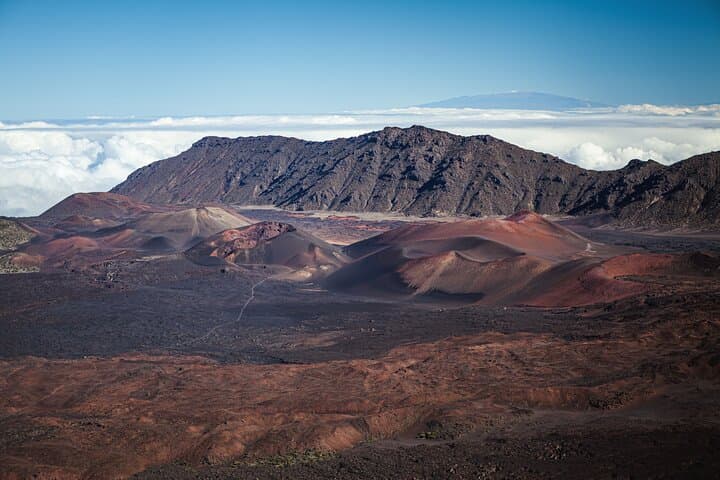
This full-day tour stitches together two of Maui’s signature experiences: Haleakala National Park's summit and the verdant coastal corridor of the Road to Hana. Haleakala, the shield volcano that forms east Maui, reaches 10,023 feet above sea level. Its crater spans roughly 11.25 miles across, 3.2 miles wide and drops nearly 2,600 feet, carved by ancient lava flows and centuries of wind and rain. Pa Ka'oao (White Hill) gives a compact, 0.4-mile vantage to understand scale; the High Altitude Observatory — "Science City" — perches nearby, a human counterpoint to the island’s cosmic silence.
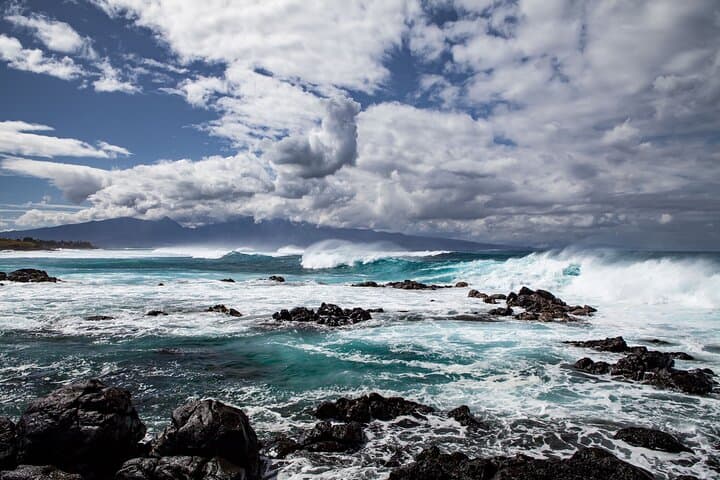
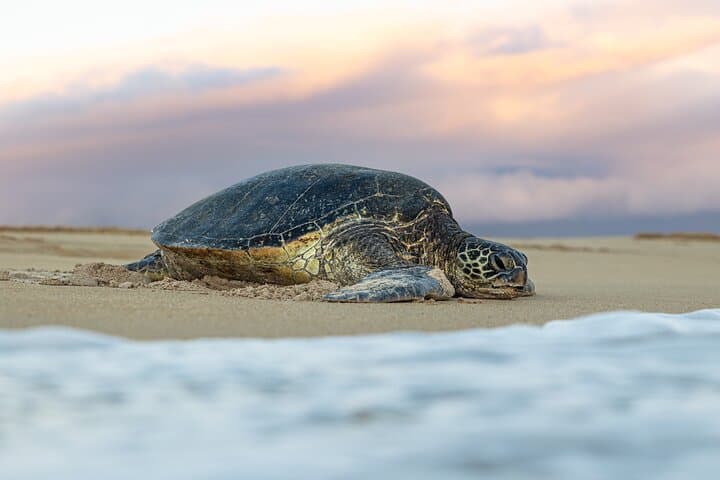
Down on the Hana Highway, the landscape changes fast: at mile marker 7 a stand of rainbow eucalyptus strips bark in bands of color; at 6.7 the bamboo forest arches into a green tunnel; further on, Keanae Peninsula’s black lava fingers and taro lo‘i tell a quieter story of Hawaiian settlement and subsistence still practiced today. Ho'okipa Beach Park near Paia offers windsurfers and honu (green sea turtles) basking on the sand — an adrenaline and wildlife double feature.
Practical edge: this tour runs about 10 hours and is one of a small number permitted to enter Haleakala at sunrise — permits limit access, so booking early matters. Temperatures at the summit are alpine-cold even in summer; expect wind and be ready for thin air. The Road to Hana portion is scenic with multiple short stops rather than long hikes; swimming at falls is possible but always assess currents and pool depth before entering.
What to prepare: dress in layers (think fleece + wind shell), bring sturdy shoes for short hikes, and carry a water bottle — bottled water and snacks are provided on the tour but personal refills keep you moving. Cameras will work overtime: sunrise and crater panoramas reward early wake-ups, while shaded waterfalls and the painted forest are ideal for softer light. Above all, leave no trace: these places are fragile — stay on marked paths, respect cultural sites, and pack out what you pack in. The payoff is elemental: from 10,000 feet the island looks like a raw, living map, and along the Hana coast, the land keeps speaking — loud, wet, and unforgettable.
moderate.
10 hours.
Suitable for travelers in average physical condition who can tolerate a long day and moderate altitude; minimal hiking required.
Yes — sunrise access is limited by permits and this operator is one of few permitted; reserve early to secure a spot.
The itinerary includes waterfall stops where swimming may be possible; always assess conditions and follow your guide’s safety guidance.
Yes — restrooms are available at major stops such as visitor centers and parks, but some roadside points have no facilities.
The tour is rated physically easy for most ages, but high altitude and long day may be challenging for very young children or those with cardiovascular/spinal conditions; consult your physician if unsure.
Expect cold, wind and rapid weather changes at the summit — temperatures can be near freezing and gusty even if it's warm at sea level.
Yes — parking and applicable Haleakala forest fees are included in the tour price.
Haleakala is central in Hawaiian cosmology as the “house of the sun,” and East Maui’s coastal communities still practice traditional taro cultivation dating back centuries.
Visitor access to Haleakala is managed through permits to protect fragile high-elevation ecosystems like the endemic silversword; stay on trails, pack out waste, and support local vendors.
Aloha Eco Adventures operates guided outdoor trips and adventures with an emphasis on safety, stewardship, and memorable experiences.
You step onto the shuttle before dawn, coffee fogging in your hands, and the island folds around you like a map being smoothed out. By the time the van climbs toward Haleakala’s rim the sky is bleaching from navy to pale gold; clouds huddle in the crater like a sleeping ocean daring you to peer over the lip. Later, the Road to Hana unfurls along the wind-whipped east coast — waterfalls thread down basalt walls and a painted forest of rainbow eucalyptus flashes like a roadside gallery.
You step onto the shuttle before dawn, coffee fogging in your hands, and the island folds around you like a map being smoothed out. By the time the van climbs toward Haleakala’s rim the sky is bleaching from navy to pale gold; clouds huddle in the crater like a sleeping ocean daring you to peer over the lip. Later, the Road to Hana unfurls along the wind-whipped east coast — waterfalls thread down basalt walls and a painted forest of rainbow eucalyptus flashes like a roadside gallery.
This full-day tour stitches together two of Maui’s signature experiences: Haleakala National Park's summit and the verdant coastal corridor of the Road to Hana. Haleakala, the shield volcano that forms east Maui, reaches 10,023 feet above sea level. Its crater spans roughly 11.25 miles across, 3.2 miles wide and drops nearly 2,600 feet, carved by ancient lava flows and centuries of wind and rain. Pa Ka'oao (White Hill) gives a compact, 0.4-mile vantage to understand scale; the High Altitude Observatory — "Science City" — perches nearby, a human counterpoint to the island’s cosmic silence.
Down on the Hana Highway, the landscape changes fast: at mile marker 7 a stand of rainbow eucalyptus strips bark in bands of color; at 6.7 the bamboo forest arches into a green tunnel; further on, Keanae Peninsula’s black lava fingers and taro lo‘i tell a quieter story of Hawaiian settlement and subsistence still practiced today. Ho'okipa Beach Park near Paia offers windsurfers and honu (green sea turtles) basking on the sand — an adrenaline and wildlife double feature.
Practical edge: this tour runs about 10 hours and is one of a small number permitted to enter Haleakala at sunrise — permits limit access, so booking early matters. Temperatures at the summit are alpine-cold even in summer; expect wind and be ready for thin air. The Road to Hana portion is scenic with multiple short stops rather than long hikes; swimming at falls is possible but always assess currents and pool depth before entering.
What to prepare: dress in layers (think fleece + wind shell), bring sturdy shoes for short hikes, and carry a water bottle — bottled water and snacks are provided on the tour but personal refills keep you moving. Cameras will work overtime: sunrise and crater panoramas reward early wake-ups, while shaded waterfalls and the painted forest are ideal for softer light. Above all, leave no trace: these places are fragile — stay on marked paths, respect cultural sites, and pack out what you pack in. The payoff is elemental: from 10,000 feet the island looks like a raw, living map, and along the Hana coast, the land keeps speaking — loud, wet, and unforgettable.