THE ADVENTURE COLLECTIVE® · Independent discovery and booking for outdoor travel

Take an all-day, narrated drive along Maui’s legendary Hāna Highway — 64.4 miles of rainforest, 59 single‑lane bridges, black sand coves, and roadside banana bread. This full-day tour covers the must-see stops from Wailua Falls to Wainapanapa with local insights and practical on-the-road advice.
Take an all-day, narrated drive along Maui’s legendary Hāna Highway — 64.4 miles of rainforest, 59 single‑lane bridges, black sand coves, and roadside banana bread. This full-day tour covers the must-see stops from Wailua Falls to Wainapanapa with local insights and practical on-the-road advice.
You step into the van before dawn and the island is already breathing — mist pooling in gulches, the first light skimming the Pacific. The driver turns onto Hāna Highway and the road begins its slow, relentless choreography: hairpin turns, single-lane bridges, and rainforest that leans close enough to whisper. Over eight to ten hours the highway unfolds like a moving nature poem — waterfalls daring you to blink, black lava fields that hold strange cobalt water, and roadside stands that smell of banana bread warm from the oven.
Verified experiences and guided adventures in the surrounding area.
Operated by Dynamic Tour Hawaii · Hana, Hawaii
You step into the van before dawn and the island is already breathing — mist pooling in gulches, the first light skimming the Pacific. The driver turns onto Hāna Highway and the road begins its slow, relentless choreography: hairpin turns, single-lane bridges, and rainforest that leans close enough to whisper. Over eight to ten hours the highway unfolds like a moving nature poem — waterfalls daring you to blink, black lava fields that hold strange cobalt water, and roadside stands that smell of banana bread warm from the oven.
Built in pieces during the early 20th century, the road to Hāna is part engineering feat and part living archive. Many concrete and steel bridges still in use date to 1910; the route was linked to the older Piʻilani Highway that traces ancient Hawaiian travel corridors. Geologically, the east Maui coastline is young by geological standards — black-sand coves at Wainapanapa were formed from relatively recent flows and the basalt cliffs that carve the shoreline are still weathering into sea stacks and lava tubes.
Culture is present in small gestures: taro loʻi on the Ke'anae Peninsula, locals selling shave ice and fresh coconut, and Auntie Sandy’s banana bread, which has become a pilgrimage stop for visitors and chefs alike. The road runs through communities that still farm and fish much as their ancestors did; your guide’s narration helps translate the landscape into human stories.
Practical guidance: plan for a long day and an early start. The full route from Kahului to Hāna is about 52 miles but the highway’s 620 curves and 59 bridges make progress deliberate. Expect multiple stops — Wainapanapa State Park (black sand), Wailua Falls, the bamboo grove near Puaʻa Kaʻa, and the Ke'anae lookout — and bring swimwear, a towel, and shoes that can handle slippery rock if you plan a dip. Cell service is intermittent once you leave Paʻia; carry offline directions and a charged phone. Respect posted signs and private property; many scenic pullouts are narrow and fragile.
For photographers, light tightens and softens quickly in the gulches—early morning and late afternoon give the best texture on waterfalls and cliffs. Hydrate often; humidity and sun can sneak up on you. Finally, support local vendors: a sandwich or banana bread here keeps small communities resilient and gives your stop an authentic face. The road to Hāna is not just a drive — it’s a paced entrance into an island that asks you to slow down and look closely.
easy.
8–10 hours.
Light fitness required — mostly seated travel with short walks at stops; be comfortable with long periods in a vehicle.
The tour runs about 8–10 hours with typical pickup early in the morning; exact pickup time depends on your hotel location — confirm with the operator.
Yes — several stops include opportunities to swim, but access depends on weather and safety; bring swimwear and footwear suitable for slippery rocks.
The highway is very winding; motion-sickness medication, ginger, or seated positions facing forward help — let the guide know if you suffer severe motion sickness.
You can drive independently, but the tour handles logistics, parking, and narration — and avoids last-minute pickup issues; if driving yourself, allow extra time and drive defensively.
Restrooms and food are available at select stops, farm stands, and the Hana town market, but options are limited — bring snacks and cash for local vendors.
Turtles (honu) and seabirds are commonly seen, especially near Ho'okipa and coastal pullouts, but sightings are never guaranteed; observe from a distance and never touch or disturb wildlife.
Sections of the Hāna Highway connect old Hawaiian trails and early 20th-century bridge work; the route follows valleys that supported taro farming for centuries.
This ecosystem is fragile — stay on designated paths, pack out waste, and support local businesses rather than taking or disturbing native plants and cultural sites.
Dynamic Tour Hawaii operates guided outdoor trips and adventures with an emphasis on safety, stewardship, and memorable experiences.
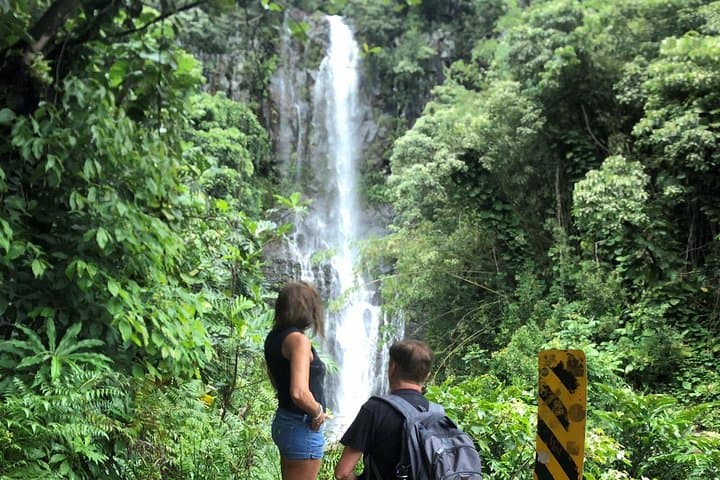
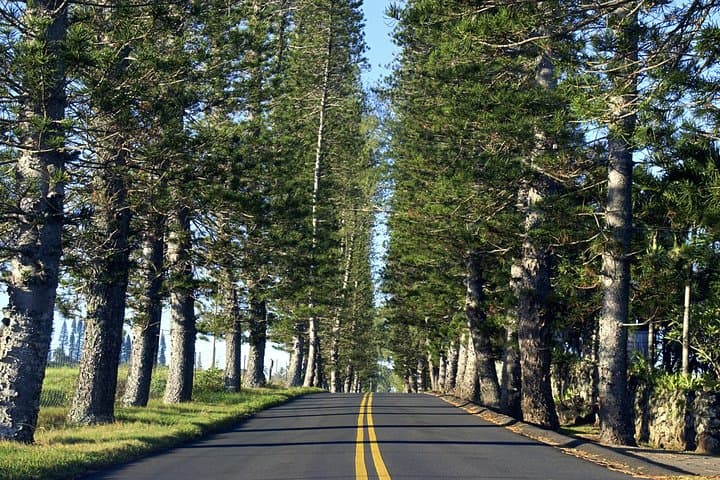
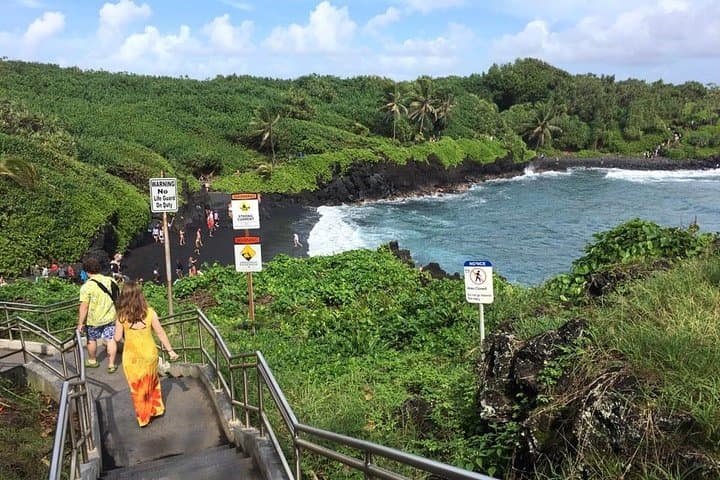
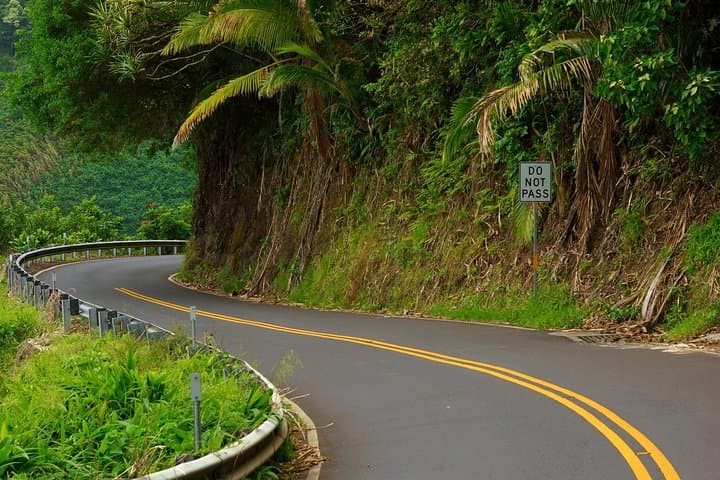
You step into the van before dawn and the island is already breathing — mist pooling in gulches, the first light skimming the Pacific. The driver turns onto Hāna Highway and the road begins its slow, relentless choreography: hairpin turns, single-lane bridges, and rainforest that leans close enough to whisper. Over eight to ten hours the highway unfolds like a moving nature poem — waterfalls daring you to blink, black lava fields that hold strange cobalt water, and roadside stands that smell of banana bread warm from the oven.
You step into the van before dawn and the island is already breathing — mist pooling in gulches, the first light skimming the Pacific. The driver turns onto Hāna Highway and the road begins its slow, relentless choreography: hairpin turns, single-lane bridges, and rainforest that leans close enough to whisper. Over eight to ten hours the highway unfolds like a moving nature poem — waterfalls daring you to blink, black lava fields that hold strange cobalt water, and roadside stands that smell of banana bread warm from the oven.
Built in pieces during the early 20th century, the road to Hāna is part engineering feat and part living archive. Many concrete and steel bridges still in use date to 1910; the route was linked to the older Piʻilani Highway that traces ancient Hawaiian travel corridors. Geologically, the east Maui coastline is young by geological standards — black-sand coves at Wainapanapa were formed from relatively recent flows and the basalt cliffs that carve the shoreline are still weathering into sea stacks and lava tubes.
Culture is present in small gestures: taro loʻi on the Ke'anae Peninsula, locals selling shave ice and fresh coconut, and Auntie Sandy’s banana bread, which has become a pilgrimage stop for visitors and chefs alike. The road runs through communities that still farm and fish much as their ancestors did; your guide’s narration helps translate the landscape into human stories.
Practical guidance: plan for a long day and an early start. The full route from Kahului to Hāna is about 52 miles but the highway’s 620 curves and 59 bridges make progress deliberate. Expect multiple stops — Wainapanapa State Park (black sand), Wailua Falls, the bamboo grove near Puaʻa Kaʻa, and the Ke'anae lookout — and bring swimwear, a towel, and shoes that can handle slippery rock if you plan a dip. Cell service is intermittent once you leave Paʻia; carry offline directions and a charged phone. Respect posted signs and private property; many scenic pullouts are narrow and fragile.
For photographers, light tightens and softens quickly in the gulches—early morning and late afternoon give the best texture on waterfalls and cliffs. Hydrate often; humidity and sun can sneak up on you. Finally, support local vendors: a sandwich or banana bread here keeps small communities resilient and gives your stop an authentic face. The road to Hāna is not just a drive — it’s a paced entrance into an island that asks you to slow down and look closely.