THE ADVENTURE COLLECTIVE® · Independent discovery and booking for outdoor travel

Follow a luxury coach down Maui’s iconic Hana Highway—past rainforest chutes, roadside banana bread, and a black-sand beach—on an 8–10 hour tour that pairs cultural storytelling with easy hikes and swim stops.
Follow a luxury coach down Maui’s iconic Hana Highway—past rainforest chutes, roadside banana bread, and a black-sand beach—on an 8–10 hour tour that pairs cultural storytelling with easy hikes and swim stops.
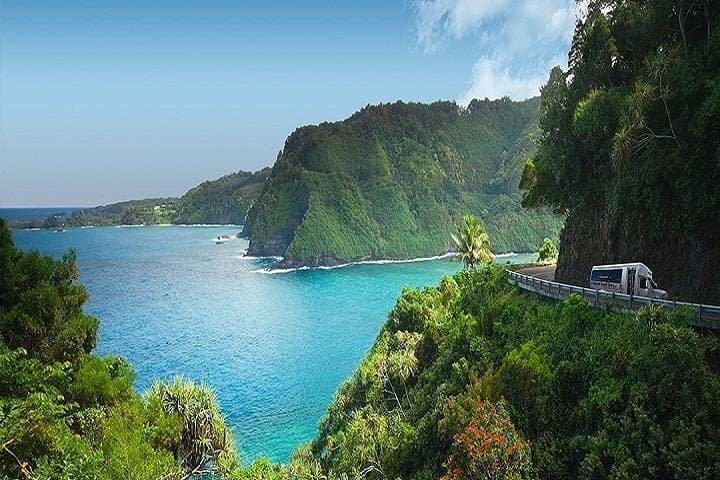
The bus rounds a hairpin and the valley opens like a page in a field guide—ferns unfurling, vines sliding wet across lava rock, and waterfalls threading the cliffs. You feel the road move beneath you: narrow, shaded, and insistently coastal. On Aloha Sunshine Tours’ deluxe Road to Hana trip, the drive itself is the first exhibit—every curve reveals another reason for a camera to be ready.
Verified experiences and guided adventures in the surrounding area.
Operated by Aloha Sunshine Tours · Hana, Hawaii
The bus rounds a hairpin and the valley opens like a page in a field guide—ferns unfurling, vines sliding wet across lava rock, and waterfalls threading the cliffs. You feel the road move beneath you: narrow, shaded, and insistently coastal. On Aloha Sunshine Tours’ deluxe Road to Hana trip, the drive itself is the first exhibit—every curve reveals another reason for a camera to be ready.
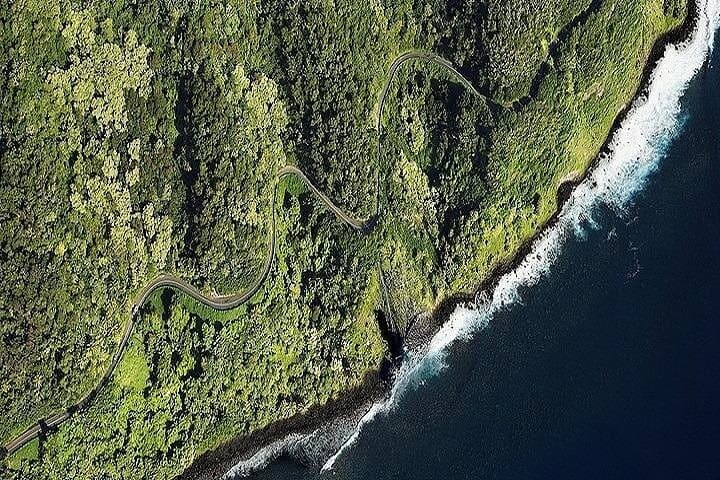
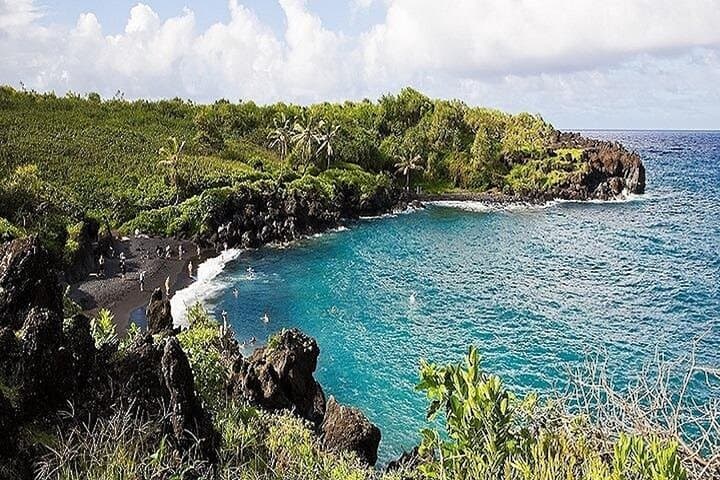
The Hana Highway (Route 360) is an engineered passage through volcanic flank and coastal plain. Built in stages during the early 20th century and improved over decades, the road stitches together old plantation paths, taro lo‘i, and ancient Hawaiian trails. Geologically, the route traces the windward face of Haleakalā’s eastern slope, where rain-laden trade winds feed volcanic valleys and produce the island’s richest rainforest pockets. The black sand at Wai‘anapanapa is born of basalt eroded by relentless surf; the cliffs and headlands show the island’s story in layers of lava flows and marine terraces.
Culturally, Hana is less a stop on a map and more a place where kūpuna (elders) keep stories and practices alive. Stops on this tour—Ke'anae Village, roadside banana-bread stands, and local farms—offer encounters with foodways and small-scale producers still tied to the land. Guides share Hawaiian legends alongside practical notes: which pools are safe to swim, when reef etiquette matters, and why certain sites are kapu (restricted) out of cultural respect.
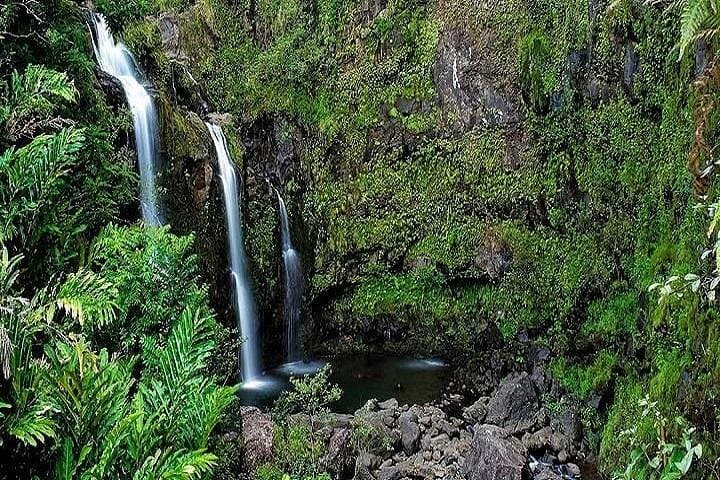
The itinerary packs a lot into an 8–10 hour loop: a look at the famed Jaws surf break, swims and photos at Pua'a Ka'a waterfalls, a scenic pause at Kaumahina Wayside, and a long stop for lunch and exploration at Wai‘anapanapa State Park’s black sand beach. Expect many brief hikes—most under a half-mile—but some sections are slippery after rain and require solid footing.
Practical edge: the tour supplies bottled water, snacks, lunch (order when you book), and park admissions. Pickup across Maui and air-conditioned buses remove the logistics of driving narrow one-lane bridges and hundreds of tight turns yourself. Still, bring a daypack with swimwear, quick-dry layers, and rain protection. Motion-sickness remedies help; so does having cash for roadside artisans.
On safety and etiquette, follow your guide’s instructions—no cliff diving, no removing stones or shells, and stay on marked paths to protect native plants. The Road to Hana is an active landscape: weather can change fast and waterfalls that invite you on a sunny morning can become hazardous after heavy rains. With measured energy, curiosity, and respect, this deluxe tour condenses one of Maui’s richest coastal circuits into a single, unforgettable day.
easy.
8–10 hours.
Suitable for most fitness levels; must be able to board a coach and walk short, sometimes slippery trails (up to ~0.5 miles).
The deluxe tour runs about 8–10 hours depending on traffic and stop durations; pickup times vary by hotel—confirm exact time when you book.
Yes—several stops like Pua'a Ka'a include swimming opportunities; always heed guide safety briefings and posted warnings about currents and submerged hazards.
Buses have limited restroom facilities; the itinerary includes stops at parks and waysides with public restrooms—carry hand sanitizer for remote areas.
Yes. Call the provided number to place your lunch order at booking; otherwise the tour defaults to the turkey sandwich option.
Most walks are short and family-friendly but can be uneven and muddy—infants can ride in strollers on paved stops, but some trails require carrying small children.
Full refunds are available if you cancel at least 24 hours prior; the operator may cancel in unsafe weather and provide a refund per their policy.
Hana’s settlements predate Western contact; the region’s taro lo‘i and coastal villages reflect centuries of Hawaiian agriculture and navigation.
Stay on designated trails, don't remove sand or fauna, and support small local vendors to help sustain Hana’s communities and fragile coastal ecosystems.
Aloha Sunshine Tours operates guided outdoor trips and adventures with an emphasis on safety, stewardship, and memorable experiences.
The bus rounds a hairpin and the valley opens like a page in a field guide—ferns unfurling, vines sliding wet across lava rock, and waterfalls threading the cliffs. You feel the road move beneath you: narrow, shaded, and insistently coastal. On Aloha Sunshine Tours’ deluxe Road to Hana trip, the drive itself is the first exhibit—every curve reveals another reason for a camera to be ready.
The bus rounds a hairpin and the valley opens like a page in a field guide—ferns unfurling, vines sliding wet across lava rock, and waterfalls threading the cliffs. You feel the road move beneath you: narrow, shaded, and insistently coastal. On Aloha Sunshine Tours’ deluxe Road to Hana trip, the drive itself is the first exhibit—every curve reveals another reason for a camera to be ready.
The Hana Highway (Route 360) is an engineered passage through volcanic flank and coastal plain. Built in stages during the early 20th century and improved over decades, the road stitches together old plantation paths, taro lo‘i, and ancient Hawaiian trails. Geologically, the route traces the windward face of Haleakalā’s eastern slope, where rain-laden trade winds feed volcanic valleys and produce the island’s richest rainforest pockets. The black sand at Wai‘anapanapa is born of basalt eroded by relentless surf; the cliffs and headlands show the island’s story in layers of lava flows and marine terraces.
Culturally, Hana is less a stop on a map and more a place where kūpuna (elders) keep stories and practices alive. Stops on this tour—Ke'anae Village, roadside banana-bread stands, and local farms—offer encounters with foodways and small-scale producers still tied to the land. Guides share Hawaiian legends alongside practical notes: which pools are safe to swim, when reef etiquette matters, and why certain sites are kapu (restricted) out of cultural respect.
The itinerary packs a lot into an 8–10 hour loop: a look at the famed Jaws surf break, swims and photos at Pua'a Ka'a waterfalls, a scenic pause at Kaumahina Wayside, and a long stop for lunch and exploration at Wai‘anapanapa State Park’s black sand beach. Expect many brief hikes—most under a half-mile—but some sections are slippery after rain and require solid footing.
Practical edge: the tour supplies bottled water, snacks, lunch (order when you book), and park admissions. Pickup across Maui and air-conditioned buses remove the logistics of driving narrow one-lane bridges and hundreds of tight turns yourself. Still, bring a daypack with swimwear, quick-dry layers, and rain protection. Motion-sickness remedies help; so does having cash for roadside artisans.
On safety and etiquette, follow your guide’s instructions—no cliff diving, no removing stones or shells, and stay on marked paths to protect native plants. The Road to Hana is an active landscape: weather can change fast and waterfalls that invite you on a sunny morning can become hazardous after heavy rains. With measured energy, curiosity, and respect, this deluxe tour condenses one of Maui’s richest coastal circuits into a single, unforgettable day.