THE ADVENTURE COLLECTIVE® · Independent discovery and booking for outdoor travel

Drive 54 miles of cliffside highway, cross 69 single-lane bridges and stop at bamboo forests, black-sand beaches, waterfalls and taro farms on a full-day Road to Hana tour from Lahaina. Expect a long, wet, unforgettable day—bring water shoes and motion-sickness meds.
Drive 54 miles of cliffside highway, cross 69 single-lane bridges and stop at bamboo forests, black-sand beaches, waterfalls and taro farms on a full-day Road to Hana tour from Lahaina. Expect a long, wet, unforgettable day—bring water shoes and motion-sickness meds.
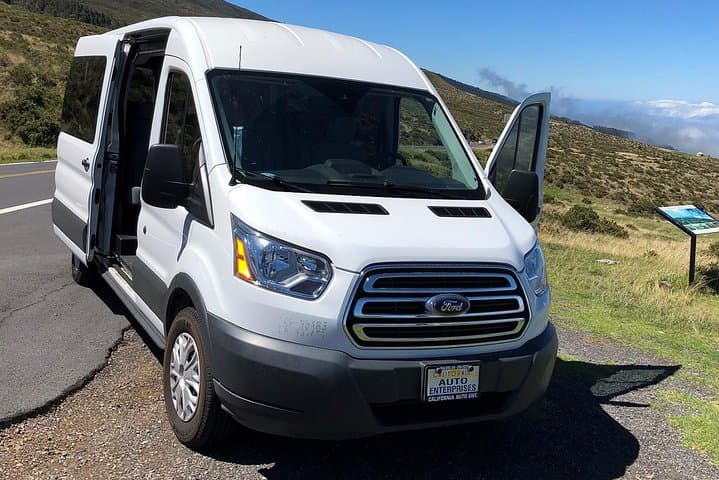
The van peels away from Lahaina before sunrise, headlights cutting across a coastal ribbon of asphalt that promises both beauty and boredom-defying turns. By mid-morning the ocean has traded placid blues for a stitched pattern of surf and reef; by the time the road narrows to one lane and bamboo arches overhead, the rhythm of the day is measured in waterfalls and single-lane bridges. This is the Road to Hana—54 miles of cliff-hugging highway, 640 curves and hairpin turns, and a full-day itinerary that reads like a naturalist’s field guide.
Verified experiences and guided adventures in the surrounding area.
Operated by Dynamic Tour Hawaii · Hana, Hawaii
The van peels away from Lahaina before sunrise, headlights cutting across a coastal ribbon of asphalt that promises both beauty and boredom-defying turns. By mid-morning the ocean has traded placid blues for a stitched pattern of surf and reef; by the time the road narrows to one lane and bamboo arches overhead, the rhythm of the day is measured in waterfalls and single-lane bridges. This is the Road to Hana—54 miles of cliff-hugging highway, 640 curves and hairpin turns, and a full-day itinerary that reads like a naturalist’s field guide.
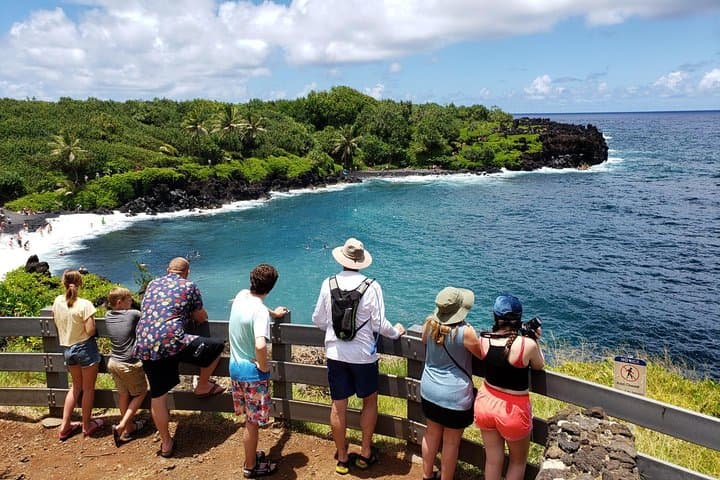
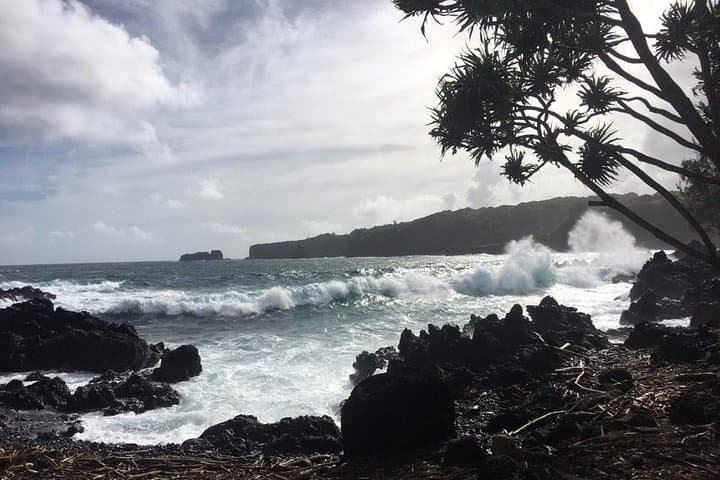
Geology here is obvious: volcanic flows from Haleakalā sculpted a jagged coastline while centuries of erosion and incessant trade-wind rain built the steep, fern-covered valleys that the Hana Highway threads. The black sand at Waiʻānapanapa is basalt ground so fine it behaves like liquid when the surf surges; nearby freshwater caves and blowholes are reminders that lava and later ocean processes share the same long, volatile history.
Culture and small-scale agriculture punctuate the route. Keanae peninsula’s taro lo‘i—shallow, stone-walled paddies—reflect an agricultural practice carried from Polynesian voyaging days and still used to make poi, the staple starch of Hawaiian tables. Ho'okipa on the windward coast has earned its reputation as a global windsurfing stage; watch the speed of those sailors and you’ll understand why locals keep a respectful distance from nesting beaches where green sea turtles come ashore.
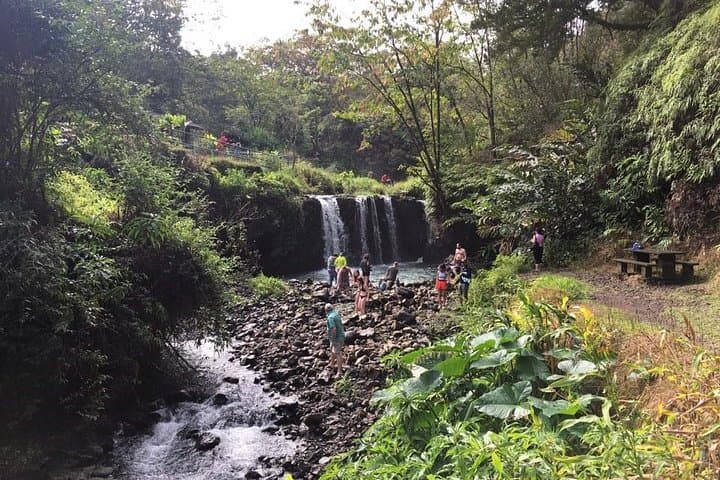
The tour balances narration with practical stops: framed photo pulls at scenic outlooks, a bamboo forest pause, time to swim beneath a waterfall, and a black-sand beach visit where the surf demands respect. Guides provide bottled water, breakfast options like Spam musubi, and a boxed lunch you order ahead—small comforts on a long day of open windows and wet sneakers.
Practicalities: this is a long, often wet day. Expect 9–10 hours from pickup to return. The road is narrow and frequently single-lane; drivers are skilled but motion-sickness medication is recommended for susceptible travelers. Trails at waterfall stops are short but uneven—water shoes and sturdy sandals make swimming far more comfortable. Restroom stops are limited; bring hand sanitizer and a small pack of essentials.
Timing matters: start early to beat crowds and secure the best seats on the right side for many ocean viewpoints. Weather changes quickly—light rain jackets are worth the space—and remember that cell signals vanish for stretches. For those who want a compact but complete encounter with East Maui, this guided Road to Hana from Lahaina delivers dramatic scenery, cultural context, and the kind of travel fatigue that always feels earned.
moderate.
9–10 hours.
Comfortable with long days on your feet and short hikes on uneven, wet terrain; minimal overall endurance required but expect repeated standing and short walks.
The tour lasts about 9–10 hours (540–600 minutes). For hotel guests, the recommended pickup time is 7:00am; cruise passengers should request a pickup after their ship docks (allow 45 minutes after arrival).
Bottled water, snacks and a boxed lunch are included; you must select your lunch option before the tour and breakfast options are available if ordered prior to 3:00pm the day before.
Yes—several stops allow swimming, but conditions vary; bring water shoes and heed your guide’s safety instructions about currents and slippery rocks.
The drive itself is accessible, but many photo stops and waterfall areas require navigating uneven terrain, steps or short trails—accessibility is limited for visitors with significant mobility needs.
Cell service is intermittent; ATMs are not available on the highway—bring any needed cash and download offline information before departure.
Sit toward the front, focus on a fixed point on the horizon, open a window for fresh air, and take motion-sickness medication before the road becomes twisty.
The Hana coast was settled early by Polynesian voyagers; lo‘i kalo (taro terraces) and small coastal communities still practice traditional cultivation methods.
East Maui’s fragile coastal and freshwater ecosystems are sensitive to foot traffic and non-native species—stay on trails, avoid removing rocks or plants, and use reef-safe sunscreen to protect nearshore waters.
Dynamic Tour Hawaii operates guided outdoor trips and adventures with an emphasis on safety, stewardship, and memorable experiences.
The van peels away from Lahaina before sunrise, headlights cutting across a coastal ribbon of asphalt that promises both beauty and boredom-defying turns. By mid-morning the ocean has traded placid blues for a stitched pattern of surf and reef; by the time the road narrows to one lane and bamboo arches overhead, the rhythm of the day is measured in waterfalls and single-lane bridges. This is the Road to Hana—54 miles of cliff-hugging highway, 640 curves and hairpin turns, and a full-day itinerary that reads like a naturalist’s field guide.
The van peels away from Lahaina before sunrise, headlights cutting across a coastal ribbon of asphalt that promises both beauty and boredom-defying turns. By mid-morning the ocean has traded placid blues for a stitched pattern of surf and reef; by the time the road narrows to one lane and bamboo arches overhead, the rhythm of the day is measured in waterfalls and single-lane bridges. This is the Road to Hana—54 miles of cliff-hugging highway, 640 curves and hairpin turns, and a full-day itinerary that reads like a naturalist’s field guide.
Geology here is obvious: volcanic flows from Haleakalā sculpted a jagged coastline while centuries of erosion and incessant trade-wind rain built the steep, fern-covered valleys that the Hana Highway threads. The black sand at Waiʻānapanapa is basalt ground so fine it behaves like liquid when the surf surges; nearby freshwater caves and blowholes are reminders that lava and later ocean processes share the same long, volatile history.
Culture and small-scale agriculture punctuate the route. Keanae peninsula’s taro lo‘i—shallow, stone-walled paddies—reflect an agricultural practice carried from Polynesian voyaging days and still used to make poi, the staple starch of Hawaiian tables. Ho'okipa on the windward coast has earned its reputation as a global windsurfing stage; watch the speed of those sailors and you’ll understand why locals keep a respectful distance from nesting beaches where green sea turtles come ashore.
The tour balances narration with practical stops: framed photo pulls at scenic outlooks, a bamboo forest pause, time to swim beneath a waterfall, and a black-sand beach visit where the surf demands respect. Guides provide bottled water, breakfast options like Spam musubi, and a boxed lunch you order ahead—small comforts on a long day of open windows and wet sneakers.
Practicalities: this is a long, often wet day. Expect 9–10 hours from pickup to return. The road is narrow and frequently single-lane; drivers are skilled but motion-sickness medication is recommended for susceptible travelers. Trails at waterfall stops are short but uneven—water shoes and sturdy sandals make swimming far more comfortable. Restroom stops are limited; bring hand sanitizer and a small pack of essentials.
Timing matters: start early to beat crowds and secure the best seats on the right side for many ocean viewpoints. Weather changes quickly—light rain jackets are worth the space—and remember that cell signals vanish for stretches. For those who want a compact but complete encounter with East Maui, this guided Road to Hana from Lahaina delivers dramatic scenery, cultural context, and the kind of travel fatigue that always feels earned.