THE ADVENTURE COLLECTIVE® · Independent discovery and booking for outdoor travel

Drive one of Ireland’s most scenic circuits on a private mini‑bus from Killarney. Expect sea cliffs, peatland vistas, short coastal walks, and views toward Skellig Michael—all in a single immersive day.
Drive one of Ireland’s most scenic circuits on a private mini‑bus from Killarney. Expect sea cliffs, peatland vistas, short coastal walks, and views toward Skellig Michael—all in a single immersive day.
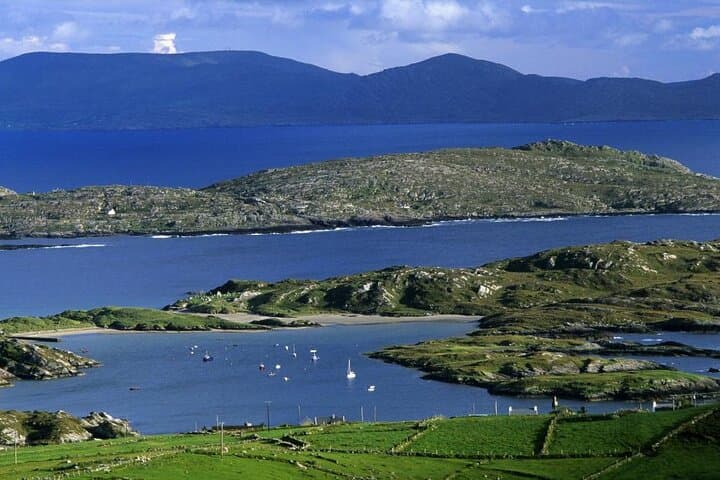
The minivan eases out of Killarney before dawn, headlights briefly catching dew on low hedgerows as the coachman sketches the day’s route on the foggy windshield. By the time the road drops toward the coast the air is already salted—an Atlantic breath that will follow you the whole day. The Ring of Kerry and the narrower Skellig Ring unfold as a sequence of coastlines, peatland, and stone—100 miles of road that insists you look up, step out, and remember why you came.
Verified experiences and guided adventures in the surrounding area.
Operated by Kerry Taxi Tours · Killarney, County Kerry
The minivan eases out of Killarney before dawn, headlights briefly catching dew on low hedgerows as the coachman sketches the day’s route on the foggy windshield. By the time the road drops toward the coast the air is already salted—an Atlantic breath that will follow you the whole day. The Ring of Kerry and the narrower Skellig Ring unfold as a sequence of coastlines, peatland, and stone—100 miles of road that insists you look up, step out, and remember why you came.
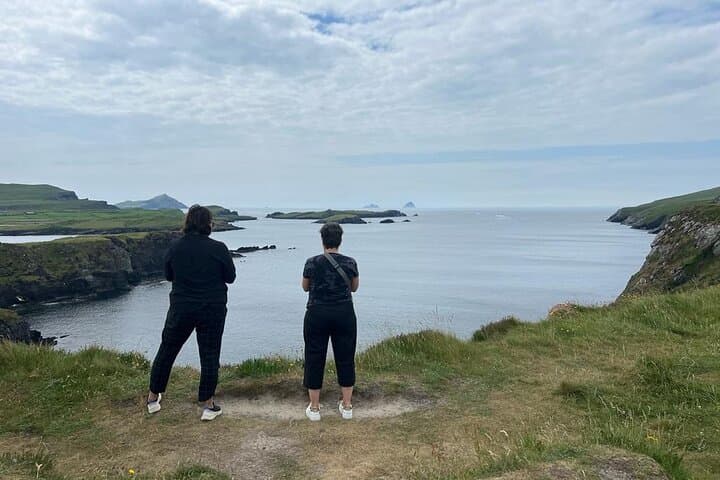
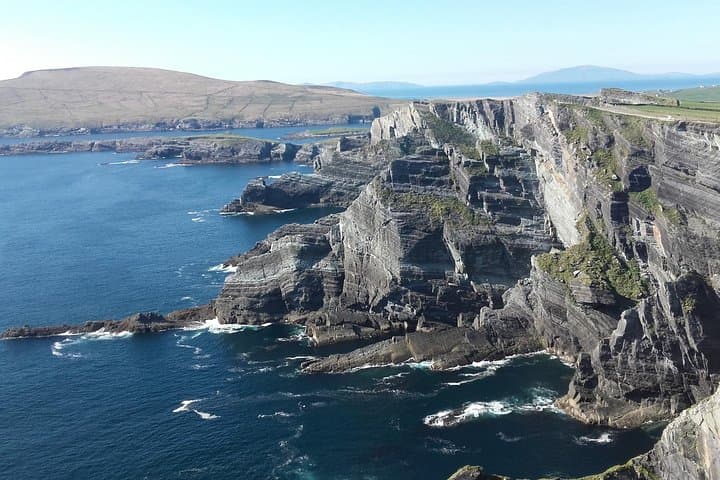
Geology and history are close companions here. Ancient sea cliffs and rounded headlands show the slow work of ocean and ice: layers of bedrock worn into sheer escarpments and sea stacks that dare the swell. Off the coast, Skellig Michael—the dramatic granite island crowned with a 6th-century monastic settlement—hovers on the horizon, a human punctuation against endless water and wind. On land, low stone walls, ring forts and turf‑fueled cottages offer a living line to Gaelic rural life; the landscape still carries old place names and the cadence of Irish speech.
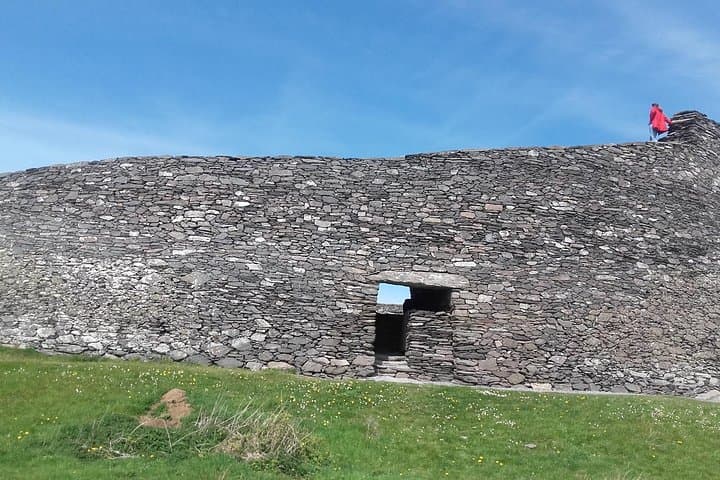
The route combines wide, panoramic drives with purposeful short walks. Stops include an authentic replica Irish village where turf smoke and thatch provide tactile context, a coastal fort perched against surf, walks to cliff faces where gulls and cormorants wheel, and a gentle descent to a scenic waterfall. The Skellig Ring, narrower and wilder, delivers intimate views of sea stacks and the channels that feed seabirds and migrating fish.
Practicalities matter: this is a private, guided tour running roughly 6–8 hours, covering just over 100 miles (about 160 km) of road. Most of the travel is seated in an air-conditioned minivan; walking segments are short—typically 20–45 minutes on uneven ground—and suitable for most fitness levels. Ferry trips to Skellig Michael are not included and require separate booking; weather and sea conditions govern access.
Pack layers and waterproofs: Atlantic weather changes fast. Comfortable walking shoes with good traction are essential for muddy or rocky little paths. The tour includes hotel pickup and bottled water, and your guide provides local commentary that stitches together geology, folklore, and modern life.
Timing is everything—aim for clear mornings for offshore views of Skellig Michael and late-afternoon light for the coastal cliffs. Bring a camera with a mid-range zoom for seabirds and landscape frames, and leave time to browse craft shops that sell hand-thrown ceramics and locally dyed wool. Whether you’re chasing cinematic coastline or quiet cultural detail, the Ring and Skellig Ring are a day’s worth of Ireland’s edge—raw, weatherwise, and remarkably immediate.
easy.
6–8 hours.
Light activity; suitable for most fitness levels but expect short, uneven walks of up to 45 minutes.
The tour provides views toward Skellig Michael from the mainland but does not include ferry tickets to land on the island; separate boat bookings are needed and are weather dependent.
Yes—pickup and drop‑off from Killarney accommodations are included; confirm your pickup point when you book.
Walking is limited to short stops—typically 20–45 minute walks on uneven terrain to viewpoints, a craft shop visit, and a waterfall base; there are no long hikes.
Bottled water is included; meals are not—there will be opportunities to eat at local cafés or packed lunches during longer stops.
The tour operates in most weather conditions; guides may alter stops for safety and visibility—bring appropriate rain gear.
Yes—infants and small children can use strollers and infant seats are available; inform the operator of any special requirements when booking.
The Skellig islands hosted an early Christian monastery from around the 6th century; the Ring of Kerry route follows old drove roads and fishing lanes shaped by centuries of rural life.
Coastal habitats are sensitive—stick to paths at cliff edges, leave no trace, and respect local bird colonies, especially during nesting season.
Kerry Taxi Tours operates guided outdoor trips and adventures with an emphasis on safety, stewardship, and memorable experiences.
The minivan eases out of Killarney before dawn, headlights briefly catching dew on low hedgerows as the coachman sketches the day’s route on the foggy windshield. By the time the road drops toward the coast the air is already salted—an Atlantic breath that will follow you the whole day. The Ring of Kerry and the narrower Skellig Ring unfold as a sequence of coastlines, peatland, and stone—100 miles of road that insists you look up, step out, and remember why you came.
The minivan eases out of Killarney before dawn, headlights briefly catching dew on low hedgerows as the coachman sketches the day’s route on the foggy windshield. By the time the road drops toward the coast the air is already salted—an Atlantic breath that will follow you the whole day. The Ring of Kerry and the narrower Skellig Ring unfold as a sequence of coastlines, peatland, and stone—100 miles of road that insists you look up, step out, and remember why you came.
Geology and history are close companions here. Ancient sea cliffs and rounded headlands show the slow work of ocean and ice: layers of bedrock worn into sheer escarpments and sea stacks that dare the swell. Off the coast, Skellig Michael—the dramatic granite island crowned with a 6th-century monastic settlement—hovers on the horizon, a human punctuation against endless water and wind. On land, low stone walls, ring forts and turf‑fueled cottages offer a living line to Gaelic rural life; the landscape still carries old place names and the cadence of Irish speech.
The route combines wide, panoramic drives with purposeful short walks. Stops include an authentic replica Irish village where turf smoke and thatch provide tactile context, a coastal fort perched against surf, walks to cliff faces where gulls and cormorants wheel, and a gentle descent to a scenic waterfall. The Skellig Ring, narrower and wilder, delivers intimate views of sea stacks and the channels that feed seabirds and migrating fish.
Practicalities matter: this is a private, guided tour running roughly 6–8 hours, covering just over 100 miles (about 160 km) of road. Most of the travel is seated in an air-conditioned minivan; walking segments are short—typically 20–45 minutes on uneven ground—and suitable for most fitness levels. Ferry trips to Skellig Michael are not included and require separate booking; weather and sea conditions govern access.
Pack layers and waterproofs: Atlantic weather changes fast. Comfortable walking shoes with good traction are essential for muddy or rocky little paths. The tour includes hotel pickup and bottled water, and your guide provides local commentary that stitches together geology, folklore, and modern life.
Timing is everything—aim for clear mornings for offshore views of Skellig Michael and late-afternoon light for the coastal cliffs. Bring a camera with a mid-range zoom for seabirds and landscape frames, and leave time to browse craft shops that sell hand-thrown ceramics and locally dyed wool. Whether you’re chasing cinematic coastline or quiet cultural detail, the Ring and Skellig Ring are a day’s worth of Ireland’s edge—raw, weatherwise, and remarkably immediate.