THE ADVENTURE COLLECTIVE® · Independent discovery and booking for outdoor travel

Lift off from Reykjavík for a 25–35 minute helicopter flight that combines panoramic city views and a brief landing on Mount Esja. It’s a compact, high-impact look at Iceland’s volcanic geology and coastal capital—perfect for travelers short on time but hungry for perspective.
Lift off from Reykjavík for a 25–35 minute helicopter flight that combines panoramic city views and a brief landing on Mount Esja. It’s a compact, high-impact look at Iceland’s volcanic geology and coastal capital—perfect for travelers short on time but hungry for perspective.
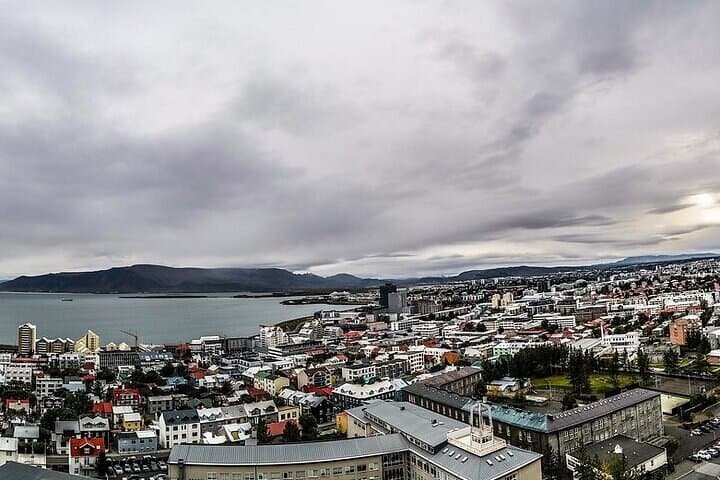
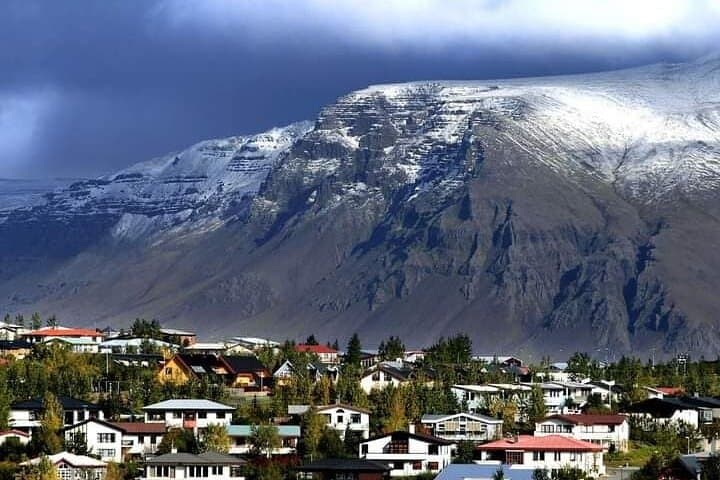
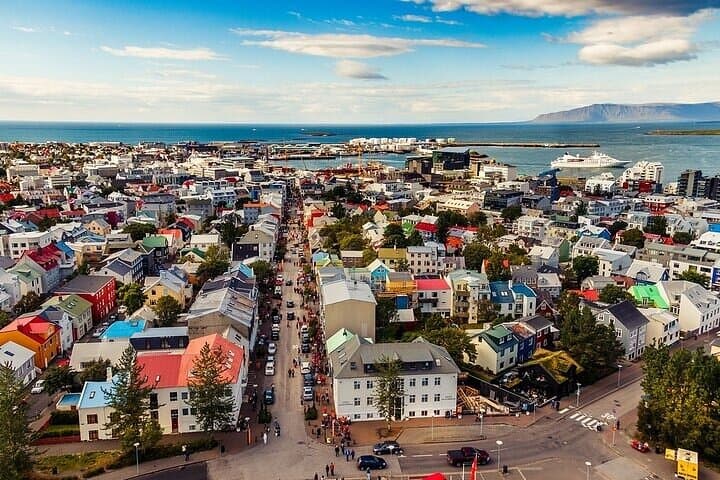
The helicopter lifts off from a quiet heliport on the edge of Reykjavík and, within minutes, the city contracts into a patchwork of colorful roofs and glittering harbors. You tilt forward, the bay widening beneath you, and Mount Esja—rocky, wind-scoured, and improbably close—appears like a sculpted ridge rising from the sea. The pilot banks gently, giving a slow sweep of the capital below before settling into a controlled hover over a small alpine plateau for a ten-minute landing.
Verified experiences and guided adventures in the surrounding area.
Operated by GlacierHeli · Reykjavík, Capital Region
The helicopter lifts off from a quiet heliport on the edge of Reykjavík and, within minutes, the city contracts into a patchwork of colorful roofs and glittering harbors. You tilt forward, the bay widening beneath you, and Mount Esja—rocky, wind-scoured, and improbably close—appears like a sculpted ridge rising from the sea. The pilot banks gently, giving a slow sweep of the capital below before settling into a controlled hover over a small alpine plateau for a ten-minute landing.
From above, Reykjavík reads as geography and human intention: curving coastline, the gridded parks, Harpa’s glass facets flashing in the sun. Esja, by contrast, speaks of geology. Its basalt columns, lava fields and ash layers record the volcanic episodes that built Iceland’s edge. The landing site puts you within arm’s reach of those formations—symmetrical rock faces that feel older than maps, mosses gripping black stone, and winds that seem to test your balance and resolve.
Icelanders long used these slopes for seasonal grazing and now treat Esja as a nearby wilderness classroom. The mountain is a local landmark—visible from many Reykjavík neighborhoods—and pilots use its ridgelines for orientation as much as for spectacle. On a calm day the air opens views of Faxaflói Bay, Seltjarnarnes, and the jagged outline of distant peninsulas.
Practicalities are direct. Glacier Heli’s shared flight runs about 25–35 minutes total with a landing window (roughly ten minutes on site), and groups are kept small—max five passengers—so the experience feels intimate. There’s minimal fitness required: the landing area is flat but exposed, so dress for wind and quick temperature changes. Tours include fees and taxes; bring a valid ID and note weight or special requirements at booking. Pregnant travelers should avoid flights and operators will cancel in bad weather with full refunds if done 24+ hours before departure.
Planning tips: time your flight for clear weather; low clouds truncate views. If you want cityscapes, ask for a seating arrangement that favors the side facing Reykjavík during check-in. For geology fans, bring a telephoto for basalt patterns and a wide lens for the sweeping coastline.
On the ground, respect fragile plant life—Dirkgrass and mountain moss recover slowly—and stay within the landing perimeter. In return, you get a compact, high-impact window into Iceland’s volcanic story: a city shaped by the sea, a mountain shaped by fire, and a short, electric moment in between when the sky feels like the most efficient way to understand both.
easy.
25–35 minutes.
Minimal fitness required; able to step in/out of helicopter and stand on uneven ground for ~10 minutes
The planned ground time is about 10 minutes—enough for photos and a short walk but not for extended hikes.
Yes; the operator lists the tour as suitable for all fitness levels, though children must be supervised and weight/age info is collected at booking.
Flights may be cancelled for unsafe conditions; you’ll receive a full refund if cancelled at least 24 hours prior or if the operator cancels due to weather.
Yes—booking asks for passenger weight to ensure safe weight-and-balance; provide accurate information when reserving.
Only small personal items are permitted aboard; large luggage cannot be accommodated on short scenic flights.
No—pilots brief passengers on safety procedures and boarding; no prior experience is required.
Esja’s volcanic rocks were formed by repeated eruptions and lava flows; the ridge has long acted as a visual landmark for Reykjavík’s residents.
Stick to marked landing areas—alpine mosses and lichens recover slowly. Operators follow strict environmental guidelines to limit foot traffic and fuel use.
GlacierHeli operates guided outdoor trips and adventures with an emphasis on safety, stewardship, and memorable experiences.
The helicopter lifts off from a quiet heliport on the edge of Reykjavík and, within minutes, the city contracts into a patchwork of colorful roofs and glittering harbors. You tilt forward, the bay widening beneath you, and Mount Esja—rocky, wind-scoured, and improbably close—appears like a sculpted ridge rising from the sea. The pilot banks gently, giving a slow sweep of the capital below before settling into a controlled hover over a small alpine plateau for a ten-minute landing.
The helicopter lifts off from a quiet heliport on the edge of Reykjavík and, within minutes, the city contracts into a patchwork of colorful roofs and glittering harbors. You tilt forward, the bay widening beneath you, and Mount Esja—rocky, wind-scoured, and improbably close—appears like a sculpted ridge rising from the sea. The pilot banks gently, giving a slow sweep of the capital below before settling into a controlled hover over a small alpine plateau for a ten-minute landing.
From above, Reykjavík reads as geography and human intention: curving coastline, the gridded parks, Harpa’s glass facets flashing in the sun. Esja, by contrast, speaks of geology. Its basalt columns, lava fields and ash layers record the volcanic episodes that built Iceland’s edge. The landing site puts you within arm’s reach of those formations—symmetrical rock faces that feel older than maps, mosses gripping black stone, and winds that seem to test your balance and resolve.
Icelanders long used these slopes for seasonal grazing and now treat Esja as a nearby wilderness classroom. The mountain is a local landmark—visible from many Reykjavík neighborhoods—and pilots use its ridgelines for orientation as much as for spectacle. On a calm day the air opens views of Faxaflói Bay, Seltjarnarnes, and the jagged outline of distant peninsulas.
Practicalities are direct. Glacier Heli’s shared flight runs about 25–35 minutes total with a landing window (roughly ten minutes on site), and groups are kept small—max five passengers—so the experience feels intimate. There’s minimal fitness required: the landing area is flat but exposed, so dress for wind and quick temperature changes. Tours include fees and taxes; bring a valid ID and note weight or special requirements at booking. Pregnant travelers should avoid flights and operators will cancel in bad weather with full refunds if done 24+ hours before departure.
Planning tips: time your flight for clear weather; low clouds truncate views. If you want cityscapes, ask for a seating arrangement that favors the side facing Reykjavík during check-in. For geology fans, bring a telephoto for basalt patterns and a wide lens for the sweeping coastline.
On the ground, respect fragile plant life—Dirkgrass and mountain moss recover slowly—and stay within the landing perimeter. In return, you get a compact, high-impact window into Iceland’s volcanic story: a city shaped by the sea, a mountain shaped by fire, and a short, electric moment in between when the sky feels like the most efficient way to understand both.