THE ADVENTURE COLLECTIVE® · Independent discovery and booking for outdoor travel

Take the Road to Hana the local way — in reverse, in a luxury van, and with a Native Hawaiian guide whose family has lived on the route for generations. Expect winding coastal roads, black sand beaches, freshwater pools and a hot lunch on a flower farm.
Take the Road to Hana the local way — in reverse, in a luxury van, and with a Native Hawaiian guide whose family has lived on the route for generations. Expect winding coastal roads, black sand beaches, freshwater pools and a hot lunch on a flower farm.
You step into a cooled luxury van before dawn, the coastline to your right still silver under a low sun. The driver clicks on the radio, but the first voice you really hear is your guide — a Native Hawaiian whose family has lived on these slopes for generations — pointing out how this journey will be different: we’re going reverse, all the way around the mountain. That means new angles on waterfalls, quieter pullouts, and the backside of Maui where most visitors never tread.
Verified experiences and guided adventures in the surrounding area.
Operated by Hawaiian Style Tours · Hana, Hawaii
You step into a cooled luxury van before dawn, the coastline to your right still silver under a low sun. The driver clicks on the radio, but the first voice you really hear is your guide — a Native Hawaiian whose family has lived on these slopes for generations — pointing out how this journey will be different: we’re going reverse, all the way around the mountain. That means new angles on waterfalls, quieter pullouts, and the backside of Maui where most visitors never tread.
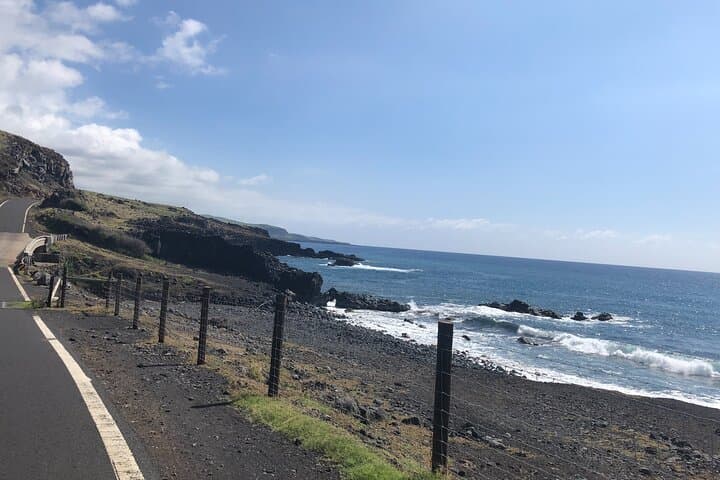
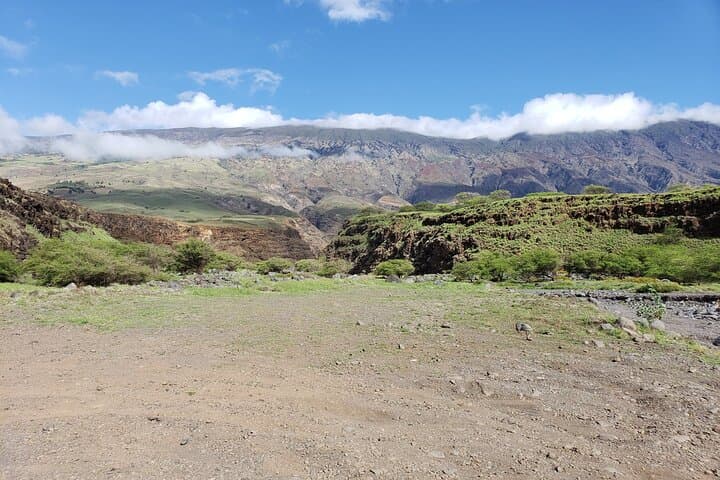
The road itself feels alive: more than 600 curves, 50+ one‑lane bridges, and a series of microclimates that flip from dry pasture to rainforest in under an hour. Geologically this is a story of two volcanoes — Haleakalā’s old flows meet shoreline lava and steep gulches carved by centuries of rain. Culturally, the day is threaded with local history: you'll pass Upcountry ranches, hear about 150 years of family ties to the land, and stop at a family fruit stand that’s been selling the “original banana bread” for four decades.
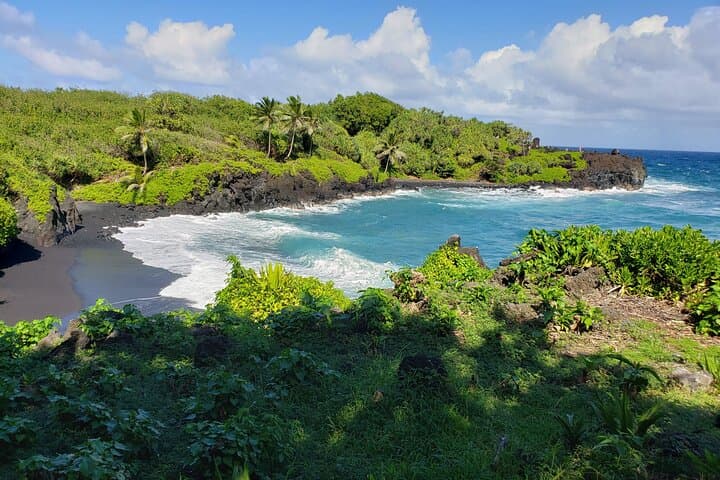
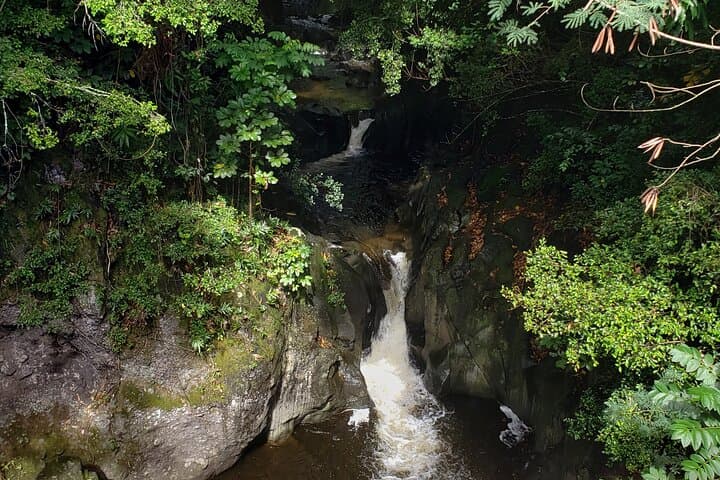
The reverse route changes the pacing. Morning light washes the leeward slopes, keeping Hana’s black sand bay and Waianapanapa State Park dramatic and relatively uncrowded when you arrive. Along the way you’ll see bamboo forests that lean like rows of green sentries, freshwater pools that dare you to take off your sandals, and the Seven Sacred Pools near Kipahulu where you can swim if conditions allow. The tour includes a hot lunch at a local flower farm, bottled water, reef‑safe sunscreen, towels for swims, and a souvenir backpack — all small logistics that let you focus on place instead of planning.
Practicalities matter on this drive. Even in a luxury van, the road is winding: bring motion‑sickness remedies and keep your camera secured. Footwear that works for slippery rocks is essential if you plan to wade into ponds. Respect private property and posted signs at swimming access points — many waterfalls rest on fragile ecosystems and cultural sites.
Timing is everything. The trip runs roughly 8–10 hours, so prepare for a long, full day and plan your energy accordingly. Pack sun protection, light rain layers and a refillable water bottle; the climate can shift from sun to downpour within minutes. If you want photos, the reverse route gives afternoon light on the outer coast and softer backlighting in the bamboo groves — but the best secret is simple: slow down. The Road to Hana is not a checklist; it’s a paced conversation with the island, and this full‑circle reverse tour is designed to let the island do most of the talking.
easy.
8–10 hours.
Suitable for most fitness levels; you'll be seated for long stretches with short, easy walks at stops.
The tour runs approximately 8–10 hours (about 480–600 minutes) including multiple stops and a hot lunch.
Yes — the tour is described as suitable for all physical fitness levels, but it’s not recommended for travelers with spinal injuries or serious heart conditions.
Swimming is weather and safety dependent; the itinerary includes potential swims at freshwater pools and a black sand beach when conditions allow.
Bring reef‑safe sunscreen, water shoes, a light rain layer, motion‑sickness remedies, cash for snacks, and your camera.
Yes — light continental breakfast, iced coffee options, bottled water, snacks, a hot lunch at a flower farm, and some local treats are included.
Pickup is offered across South Maui hotels and some airports/ports; exact pickup time is provided after booking and you'll be picked up about 60 minutes before departure.
This route traces paths used by native Hawaiians for centuries and passes upcountry ranches and plantations that shaped Maui’s 19th–20th century economy.
Visitors are asked to stay on marked trails, use reef‑safe sunscreen, and respect private and cultural sites to protect fragile freshwater ecosystems and coastal reefs.
Hawaiian Style Tours operates guided outdoor trips and adventures with an emphasis on safety, stewardship, and memorable experiences.
You step into a cooled luxury van before dawn, the coastline to your right still silver under a low sun. The driver clicks on the radio, but the first voice you really hear is your guide — a Native Hawaiian whose family has lived on these slopes for generations — pointing out how this journey will be different: we’re going reverse, all the way around the mountain. That means new angles on waterfalls, quieter pullouts, and the backside of Maui where most visitors never tread.
You step into a cooled luxury van before dawn, the coastline to your right still silver under a low sun. The driver clicks on the radio, but the first voice you really hear is your guide — a Native Hawaiian whose family has lived on these slopes for generations — pointing out how this journey will be different: we’re going reverse, all the way around the mountain. That means new angles on waterfalls, quieter pullouts, and the backside of Maui where most visitors never tread.
The road itself feels alive: more than 600 curves, 50+ one‑lane bridges, and a series of microclimates that flip from dry pasture to rainforest in under an hour. Geologically this is a story of two volcanoes — Haleakalā’s old flows meet shoreline lava and steep gulches carved by centuries of rain. Culturally, the day is threaded with local history: you'll pass Upcountry ranches, hear about 150 years of family ties to the land, and stop at a family fruit stand that’s been selling the “original banana bread” for four decades.
The reverse route changes the pacing. Morning light washes the leeward slopes, keeping Hana’s black sand bay and Waianapanapa State Park dramatic and relatively uncrowded when you arrive. Along the way you’ll see bamboo forests that lean like rows of green sentries, freshwater pools that dare you to take off your sandals, and the Seven Sacred Pools near Kipahulu where you can swim if conditions allow. The tour includes a hot lunch at a local flower farm, bottled water, reef‑safe sunscreen, towels for swims, and a souvenir backpack — all small logistics that let you focus on place instead of planning.
Practicalities matter on this drive. Even in a luxury van, the road is winding: bring motion‑sickness remedies and keep your camera secured. Footwear that works for slippery rocks is essential if you plan to wade into ponds. Respect private property and posted signs at swimming access points — many waterfalls rest on fragile ecosystems and cultural sites.
Timing is everything. The trip runs roughly 8–10 hours, so prepare for a long, full day and plan your energy accordingly. Pack sun protection, light rain layers and a refillable water bottle; the climate can shift from sun to downpour within minutes. If you want photos, the reverse route gives afternoon light on the outer coast and softer backlighting in the bamboo groves — but the best secret is simple: slow down. The Road to Hana is not a checklist; it’s a paced conversation with the island, and this full‑circle reverse tour is designed to let the island do most of the talking.