THE ADVENTURE COLLECTIVE® · Independent discovery and booking for outdoor travel

Take the Road to Hana the local way — in reverse, aboard a luxury vehicle driven by Native Hawaiian guides. This full-circle tour from West Maui swaps repeat views for new perspectives, with rainforest swims, a family-run banana bread stop, and a hot lunch at a flower farm.
Take the Road to Hana the local way — in reverse, aboard a luxury vehicle driven by Native Hawaiian guides. This full-circle tour from West Maui swaps repeat views for new perspectives, with rainforest swims, a family-run banana bread stop, and a hot lunch at a flower farm.
The van eases out of Lahaina before dawn, headlights cutting through the sugarcane-scented air as West Maui slips behind. Drivers swap stories in low voices; guides pull a thermos of strong Kona coffee and pass around warm slices of tropical fruit bread. The route is the Road to Hana — but reversed. Instead of retracing the same curves, the van climbs Haleakala’s shoulder and pushes along the island’s back roads, so each turn reveals a new face of Maui.
Verified experiences and guided adventures in the surrounding area.
Operated by Hawaiian Style Tours · Hana, Hawaii
The van eases out of Lahaina before dawn, headlights cutting through the sugarcane-scented air as West Maui slips behind. Drivers swap stories in low voices; guides pull a thermos of strong Kona coffee and pass around warm slices of tropical fruit bread. The route is the Road to Hana — but reversed. Instead of retracing the same curves, the van climbs Haleakala’s shoulder and pushes along the island’s back roads, so each turn reveals a new face of Maui.
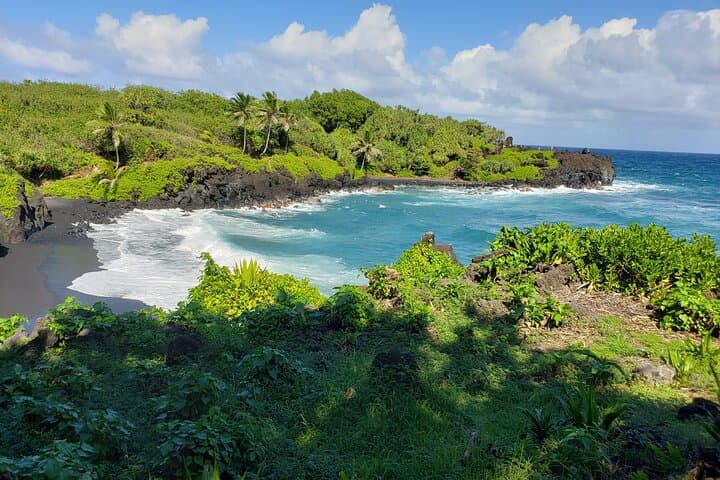
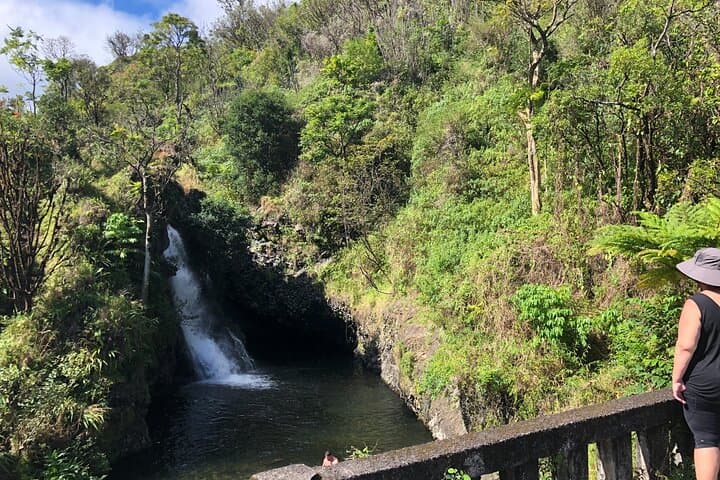
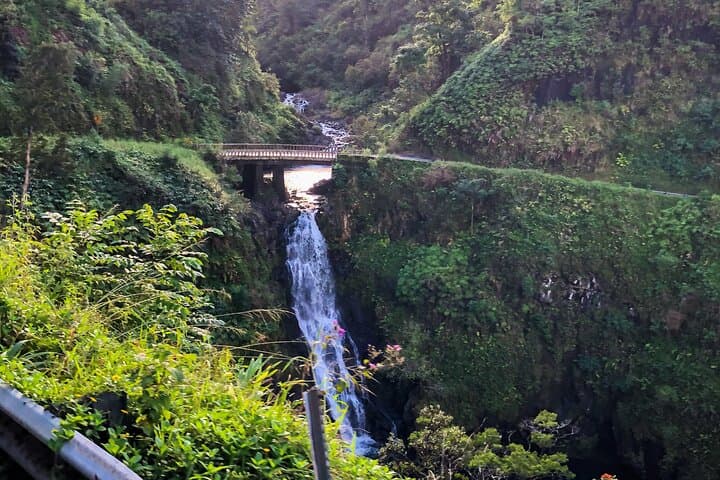
The geology here reads like a slow, volcanic novel. Two volcanoes — ancient West Maui and younger Haleakala — stitched the island together, and erosion carved steep gulches and black basalt cliffs that spill straight into the sea. Rainforest patches lace the eastern flank, fed by trade winds that gather moisture and then, almost knowingly, shed it over valleys and bamboo groves. Waterfall mouths throw silver at the sunlight; streams dare you closer with the sound of stones shifting under current.
Culturally, this tour leans local. The owners are Native Hawaiian, and their narration threads family memory through the ride: plantation-era stories, taro cultivation, and the small-business history of the banana-bread stand that’s been operating for decades. Stops include a family-run fruit stand — home of the “original Road to Hana banana bread” — and a flower farm where lunch arrives under a simple hale. Guides interpret place-names and point out sites that tourists often miss, like the old irrigation terraces and the haunts of seabirds that forage the shoreline.
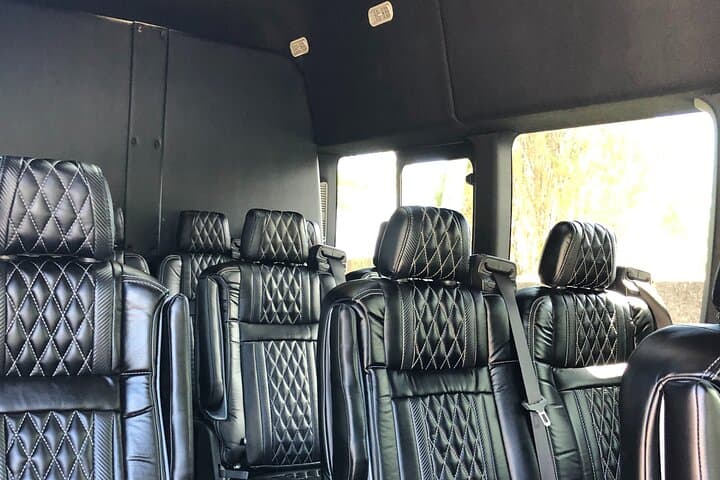
Practically, the day is long but accessible. Expect 8–10 hours aboard a luxury, air-conditioned vehicle with restroom breaks, light breakfast, bottled water, and a hot lunch. The itinerary covers 600+ turns and more than 50 single-lane bridges; seats are comfortable but motion can be steady. Weather switches fast: a sunlit parking lot can become a mist-wet path five minutes later. The tour includes towels for waterfall swims when conditions permit and a Malama Kit for sensitive riders.
Plan to arrive with layers, good traction shoes for wet rocks, reef-safe sunscreen, and ginger chews if you’re prone to car sickness. Carry a small dry bag for cameras and phones — waterfalls throw fine spray that loves electronics. Respect cultural sites and private land; guides will flag where photography or access is restricted.
For photographers and naturalists, the reverse route delivers staggered vistas and fewer crowds at prime stops. For those who want a humane, informed view of Hana rather than a checklist, this day trip delivers local storytelling, accessible adventure, and the kind of varied landscape that makes Maui feel less like a postcard and more like a place you can learn to read.
moderate.
8–10 hours.
Suitable for most travelers who can sit for long periods and do short walks across uneven, wet surfaces.
The operator provides pickup from most West Maui hotels and Lahaina-area locations; confirmation sets an exact pickup time about 60 minutes prior to departure.
Swims at waterfalls and the black-sand beach are weather and safety dependent; towels are provided when swimming is allowed.
Yes — there are planned restroom stops, and the luxury vehicle is comfortable for long-haul travel between breaks.
Children are welcome but the road’s length and curves can be challenging; consider motion-sickness precautions and the tour’s safety advisories.
Yes — a hot lunch at a flower farm is provided and included in the tour price.
Most stops involve short walks on uneven terrain (10–45 minutes at select sites); long hikes are not part of the itinerary.
Local guides draw on a family history that spans more than a century on Maui, linking plantation-era stories to contemporary Hawaiian life.
The tour emphasizes reef-safe sunscreen and staying on designated paths; guests are asked to limit single-use plastics and respect private land and cultural sites.
Hawaiian Style Tours operates guided outdoor trips and adventures with an emphasis on safety, stewardship, and memorable experiences.
The van eases out of Lahaina before dawn, headlights cutting through the sugarcane-scented air as West Maui slips behind. Drivers swap stories in low voices; guides pull a thermos of strong Kona coffee and pass around warm slices of tropical fruit bread. The route is the Road to Hana — but reversed. Instead of retracing the same curves, the van climbs Haleakala’s shoulder and pushes along the island’s back roads, so each turn reveals a new face of Maui.
The van eases out of Lahaina before dawn, headlights cutting through the sugarcane-scented air as West Maui slips behind. Drivers swap stories in low voices; guides pull a thermos of strong Kona coffee and pass around warm slices of tropical fruit bread. The route is the Road to Hana — but reversed. Instead of retracing the same curves, the van climbs Haleakala’s shoulder and pushes along the island’s back roads, so each turn reveals a new face of Maui.
The geology here reads like a slow, volcanic novel. Two volcanoes — ancient West Maui and younger Haleakala — stitched the island together, and erosion carved steep gulches and black basalt cliffs that spill straight into the sea. Rainforest patches lace the eastern flank, fed by trade winds that gather moisture and then, almost knowingly, shed it over valleys and bamboo groves. Waterfall mouths throw silver at the sunlight; streams dare you closer with the sound of stones shifting under current.
Culturally, this tour leans local. The owners are Native Hawaiian, and their narration threads family memory through the ride: plantation-era stories, taro cultivation, and the small-business history of the banana-bread stand that’s been operating for decades. Stops include a family-run fruit stand — home of the “original Road to Hana banana bread” — and a flower farm where lunch arrives under a simple hale. Guides interpret place-names and point out sites that tourists often miss, like the old irrigation terraces and the haunts of seabirds that forage the shoreline.
Practically, the day is long but accessible. Expect 8–10 hours aboard a luxury, air-conditioned vehicle with restroom breaks, light breakfast, bottled water, and a hot lunch. The itinerary covers 600+ turns and more than 50 single-lane bridges; seats are comfortable but motion can be steady. Weather switches fast: a sunlit parking lot can become a mist-wet path five minutes later. The tour includes towels for waterfall swims when conditions permit and a Malama Kit for sensitive riders.
Plan to arrive with layers, good traction shoes for wet rocks, reef-safe sunscreen, and ginger chews if you’re prone to car sickness. Carry a small dry bag for cameras and phones — waterfalls throw fine spray that loves electronics. Respect cultural sites and private land; guides will flag where photography or access is restricted.
For photographers and naturalists, the reverse route delivers staggered vistas and fewer crowds at prime stops. For those who want a humane, informed view of Hana rather than a checklist, this day trip delivers local storytelling, accessible adventure, and the kind of varied landscape that makes Maui feel less like a postcard and more like a place you can learn to read.