THE ADVENTURE COLLECTIVE® · Independent discovery and booking for outdoor travel

Paddle a glacial-fed river framed by Kenai Mountains on a lively 3-hour rafting trip from Seward. Expect Class II–III rapids, expert guides, and close-up wildlife viewing on a changing, dramatic watercourse.
Paddle a glacial-fed river framed by Kenai Mountains on a lively 3-hour rafting trip from Seward. Expect Class II–III rapids, expert guides, and close-up wildlife viewing on a changing, dramatic watercourse.
You hear the river before you see it: a low, impatient roar that threads through spruce and alder, then opens into a braided channel that dares you forward. On a cool Seward morning the Resurrection River moves with glacial authority — cold, clear, and quick — pushing a raftful of strangers into a shared rhythm of strokes and shouts. Guides from Kenai Backcountry Adventures brief you with a calm intensity, hand out rubber boots and PFDs, and turn the first signal into a practiced choreography.
Verified experiences and guided adventures in the surrounding area.
Operated by Kenai Backcountry Adventures · Seward, Alaska
You hear the river before you see it: a low, impatient roar that threads through spruce and alder, then opens into a braided channel that dares you forward. On a cool Seward morning the Resurrection River moves with glacial authority — cold, clear, and quick — pushing a raftful of strangers into a shared rhythm of strokes and shouts. Guides from Kenai Backcountry Adventures brief you with a calm intensity, hand out rubber boots and PFDs, and turn the first signal into a practiced choreography.
The stretch you run is compact—about 7 to 8 miles of shifting channels and ledge-driven drops that range from easy swells to solid Class II–III moves. Geologically, this river is young and restless: its flow is shaped by the Kenai Mountains and seasonal glacial melt, which can rearrange gravel bars and change lines from one trip to the next. Culturally, the water sits on ancestral Alutiiq (Sugpiaq) lands; later, Russian and American explorers used Resurrection Bay as a gateway, and today Seward remains the human hinge between ocean and inland ice.
Wildlife claims the margins. Bald eagles perch like sentries on spruce limbs; salmon push upstream in late summer, threading riffles while black bears and otters read the river’s calendar. The mountains on either side don’t merely look; they press in, their glaciers whispering of long winters and sudden spring runoff.
If you’re imagining a spectator ride, think again. This is a team sport: the guide reads the water, but every passenger paddles to make the raft hold a line through rock gardens and current seams. The thrills are immediate — a sterning plunge here, a collective heave there — but so is the scenery: glacier-polished bedrock, quicksilver riffles, and sudden open views into Resurrection Valley.
Practical notes: trips last about three hours from Seward pickup, with a short shuttle to the put-in. Temperatures are cool even in summer; wind, spray, and wind-driven rain are common. Guides provide waterproof dry bags, PFDs, and rubber boots, but plan to dress in layers, bring a waterproof outer shell, and secure gear in the provided dry bag. The river’s flow varies with melt—higher in late spring and early summer, lower and clearer in late summer—so timing slightly changes the ride.
For photographers, keep a small waterproof camera or a phone in a splashproof case; wide-angle shots capture the canyon and raft, while zoom lenses pick off eagles and distant glaciers. Above all, listen to your guide. The Resurrection demands respect: it gives big views and clean, sharp adrenaline to those who are prepared.
moderate.
3 hours.
Moderately fit — able to sit and paddle for stretches and follow quick commands; suitable for beginners with a reasonable fitness baseline.
The advertised trip is about three hours total from Seward pickup, including shuttle time; roughly 7–8 miles on the river depending on conditions.
Yes — guides run instructional briefings and everyone paddles together; the difficulty is moderate and suitable for beginners in reasonable health.
Specific age limits vary by operator; those with serious heart or spinal conditions and pregnant travelers are generally advised not to participate — check with the outfitter when booking.
Trips can be canceled or rescheduled for safety reasons (high water, heavy wind); operators typically offer full refunds if canceled at least 24 hours prior.
Expect spray and the occasional dunking in rapids; guides provide PFDs and rubber boots, but dress in quick-drying layers and use the supplied dry bag for essentials.
Yes, but use a waterproof case or secure it in the provided dry bag; keep valuable gear docked during Class III sections.
The Kenai Peninsula has been home to Alutiiq (Sugpiaq) peoples for millennia; Seward later grew as a coastal gateway during Russian and American exploration and settlement.
This river supports salmon runs and sensitive riparian habitat — follow Leave No Trace, pack out waste, and avoid disturbing spawning areas and shore-bound wildlife.
Kenai Backcountry Adventures operates guided outdoor trips and adventures with an emphasis on safety, stewardship, and memorable experiences.
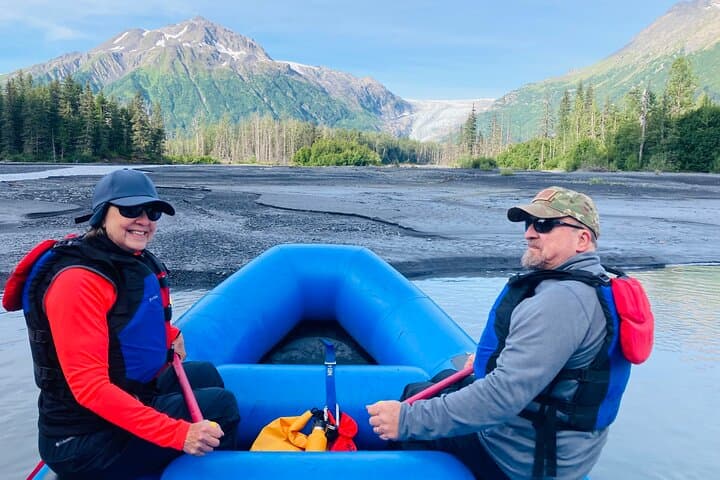
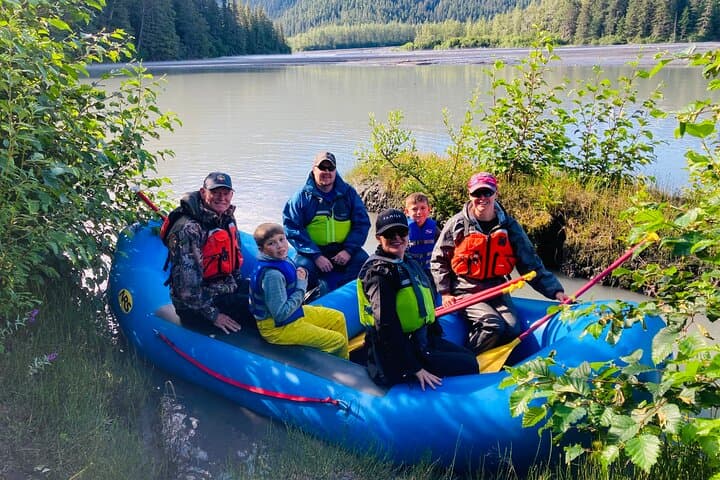
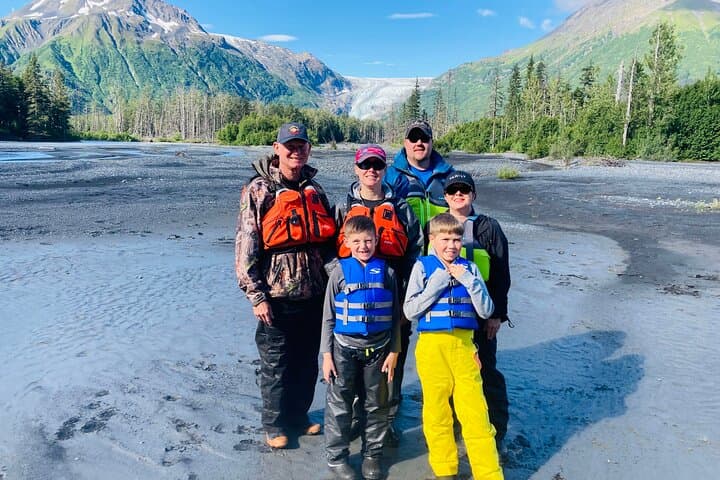
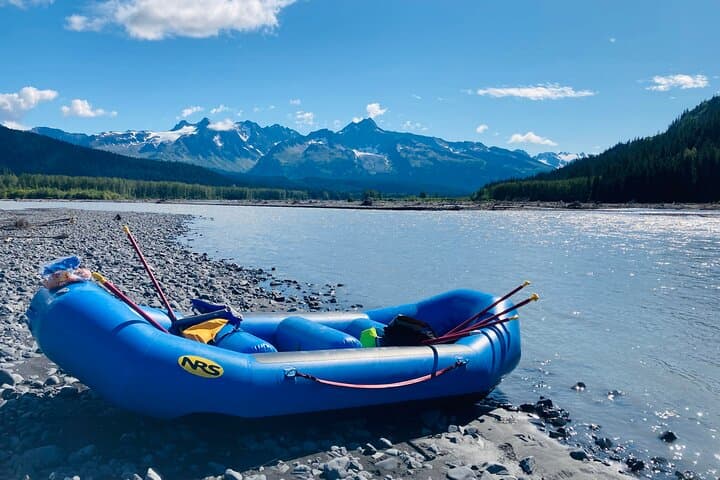
You hear the river before you see it: a low, impatient roar that threads through spruce and alder, then opens into a braided channel that dares you forward. On a cool Seward morning the Resurrection River moves with glacial authority — cold, clear, and quick — pushing a raftful of strangers into a shared rhythm of strokes and shouts. Guides from Kenai Backcountry Adventures brief you with a calm intensity, hand out rubber boots and PFDs, and turn the first signal into a practiced choreography.
You hear the river before you see it: a low, impatient roar that threads through spruce and alder, then opens into a braided channel that dares you forward. On a cool Seward morning the Resurrection River moves with glacial authority — cold, clear, and quick — pushing a raftful of strangers into a shared rhythm of strokes and shouts. Guides from Kenai Backcountry Adventures brief you with a calm intensity, hand out rubber boots and PFDs, and turn the first signal into a practiced choreography.
The stretch you run is compact—about 7 to 8 miles of shifting channels and ledge-driven drops that range from easy swells to solid Class II–III moves. Geologically, this river is young and restless: its flow is shaped by the Kenai Mountains and seasonal glacial melt, which can rearrange gravel bars and change lines from one trip to the next. Culturally, the water sits on ancestral Alutiiq (Sugpiaq) lands; later, Russian and American explorers used Resurrection Bay as a gateway, and today Seward remains the human hinge between ocean and inland ice.
Wildlife claims the margins. Bald eagles perch like sentries on spruce limbs; salmon push upstream in late summer, threading riffles while black bears and otters read the river’s calendar. The mountains on either side don’t merely look; they press in, their glaciers whispering of long winters and sudden spring runoff.
If you’re imagining a spectator ride, think again. This is a team sport: the guide reads the water, but every passenger paddles to make the raft hold a line through rock gardens and current seams. The thrills are immediate — a sterning plunge here, a collective heave there — but so is the scenery: glacier-polished bedrock, quicksilver riffles, and sudden open views into Resurrection Valley.
Practical notes: trips last about three hours from Seward pickup, with a short shuttle to the put-in. Temperatures are cool even in summer; wind, spray, and wind-driven rain are common. Guides provide waterproof dry bags, PFDs, and rubber boots, but plan to dress in layers, bring a waterproof outer shell, and secure gear in the provided dry bag. The river’s flow varies with melt—higher in late spring and early summer, lower and clearer in late summer—so timing slightly changes the ride.
For photographers, keep a small waterproof camera or a phone in a splashproof case; wide-angle shots capture the canyon and raft, while zoom lenses pick off eagles and distant glaciers. Above all, listen to your guide. The Resurrection demands respect: it gives big views and clean, sharp adrenaline to those who are prepared.