THE ADVENTURE COLLECTIVE® · Independent discovery and booking for outdoor travel

Stand shoulder-to-wing with a trained hawk in this small-group falconry encounter near Animal Ark. Learn raptor biology, conservation, and field-handling during a one-hour Hawk Walk.
Stand shoulder-to-wing with a trained hawk in this small-group falconry encounter near Animal Ark. Learn raptor biology, conservation, and field-handling during a one-hour Hawk Walk.
The walk begins under wide Nevada sky. Scrub sage and ponderosa pines frame a small gazebo beside Animal Ark; a licensed falconer fits you with a leather gauntlet and a trained hawk sizes you up with bright, hunting eyes. The bird shifts from perch to your arm with the soft authority of a practiced athlete — wings beating, talons finding the glove — and for a moment the human and raptor are linked by a single, deliberate exchange.
Verified experiences and guided adventures in the surrounding area.
Operated by Raptor Adventures · Reno, Nevada
The walk begins under wide Nevada sky. Scrub sage and ponderosa pines frame a small gazebo beside Animal Ark; a licensed falconer fits you with a leather gauntlet and a trained hawk sizes you up with bright, hunting eyes. The bird shifts from perch to your arm with the soft authority of a practiced athlete — wings beating, talons finding the glove — and for a moment the human and raptor are linked by a single, deliberate exchange.
Falconry has roots that stretch back millennia, a human-animal partnership that moved from subsistence hunting to modern conservation and education. In the high desert around Reno, geology matters: volcanic outcrops, rolling alluvial fans and the nearby Sierra edge create thermals that raptors use for effortless lift. Local culture values outdoor education — workshops and small-group encounters here emphasize identification, biology and the rehabilitation work that keeps injured birds from becoming permanent captives.
Practical guidance is straightforward. Sessions run about an hour for groups of six or fewer; federal rules require participants to be 14+ to hold birds. Expect brief classroom-style instruction followed by a supervised Hawk Walk where timing and body language matter more than brute strength. Wear closed-toe shoes and long sleeves to protect skin; the birds will land where the falconer directs, so listen closely and keep movements deliberate. Bring water, sun protection and a small camera (no flash) to record the flight. The encounter is compact but intense — educational, hands-on, and an immediate reminder that these predators are both fragile and formidable. Book in spring through fall; winter bookings typically resume after April 2.
easy.
1 hour.
Suitable for most people who can stand and walk short distances; no special fitness required.
Federal regulations require participants to be at least 14 years old to hold raptors; younger attendees may watch and participate without holding birds.
The activity is approximately one hour: a short briefing followed by a supervised Hawk Walk and close-up encounters.
Yes — photos and videos are allowed, but avoid flash and sudden movements that could disturb the birds.
Not recommended for travelers with serious spinal or cardiovascular conditions; check with the operator before booking.
Falconry is an ancient practice that in Nevada has shifted toward education and rehabilitation, using trained birds to teach local ecology and conservation.
The program supports raptor conservation through education and by highlighting rehabilitation efforts that return injured birds to the wild when possible.
Raptor Adventures operates guided outdoor trips and adventures with an emphasis on safety, stewardship, and memorable experiences.
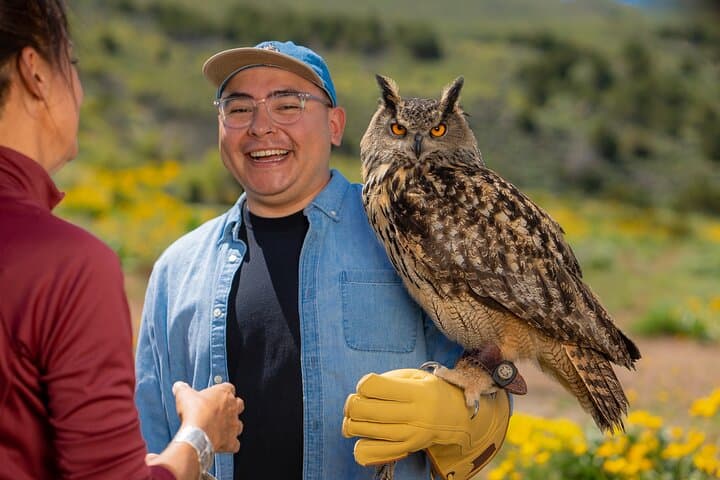
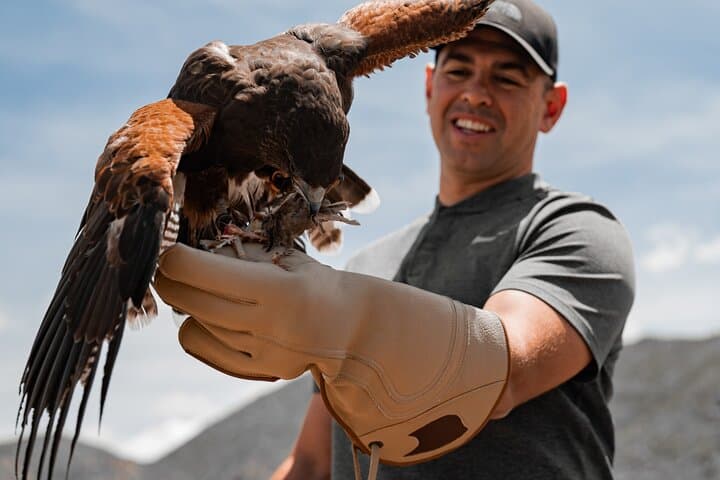
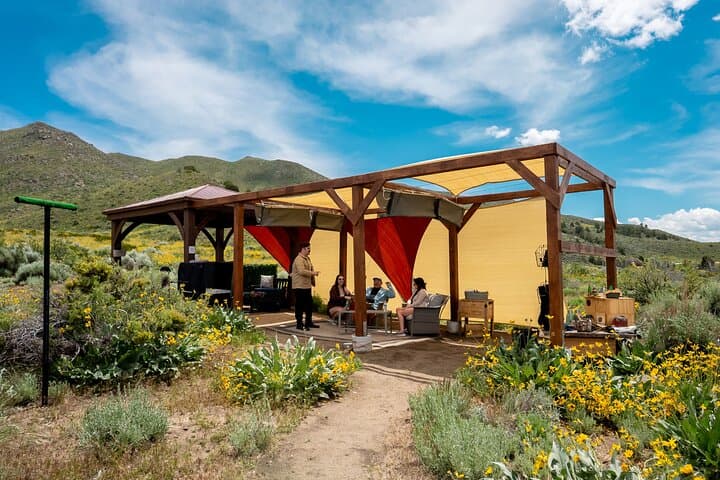
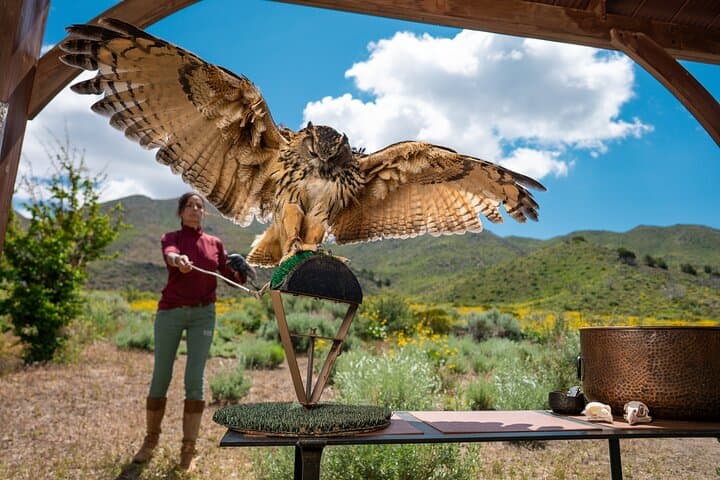
The walk begins under wide Nevada sky. Scrub sage and ponderosa pines frame a small gazebo beside Animal Ark; a licensed falconer fits you with a leather gauntlet and a trained hawk sizes you up with bright, hunting eyes. The bird shifts from perch to your arm with the soft authority of a practiced athlete — wings beating, talons finding the glove — and for a moment the human and raptor are linked by a single, deliberate exchange.
The walk begins under wide Nevada sky. Scrub sage and ponderosa pines frame a small gazebo beside Animal Ark; a licensed falconer fits you with a leather gauntlet and a trained hawk sizes you up with bright, hunting eyes. The bird shifts from perch to your arm with the soft authority of a practiced athlete — wings beating, talons finding the glove — and for a moment the human and raptor are linked by a single, deliberate exchange.
Falconry has roots that stretch back millennia, a human-animal partnership that moved from subsistence hunting to modern conservation and education. In the high desert around Reno, geology matters: volcanic outcrops, rolling alluvial fans and the nearby Sierra edge create thermals that raptors use for effortless lift. Local culture values outdoor education — workshops and small-group encounters here emphasize identification, biology and the rehabilitation work that keeps injured birds from becoming permanent captives.
Practical guidance is straightforward. Sessions run about an hour for groups of six or fewer; federal rules require participants to be 14+ to hold birds. Expect brief classroom-style instruction followed by a supervised Hawk Walk where timing and body language matter more than brute strength. Wear closed-toe shoes and long sleeves to protect skin; the birds will land where the falconer directs, so listen closely and keep movements deliberate. Bring water, sun protection and a small camera (no flash) to record the flight. The encounter is compact but intense — educational, hands-on, and an immediate reminder that these predators are both fragile and formidable. Book in spring through fall; winter bookings typically resume after April 2.