THE ADVENTURE COLLECTIVE® · Independent discovery and booking for outdoor travel

Walk the streets of Reims from cathedral square to the Boulingrin market with a guide who layers Roman, royal, and modern history into a two-hour route — finishing with a Champagne tasting at Sacrée Marianne. Ideal for history lovers and first-time visitors.
Walk the streets of Reims from cathedral square to the Boulingrin market with a guide who layers Roman, royal, and modern history into a two-hour route — finishing with a Champagne tasting at Sacrée Marianne. Ideal for history lovers and first-time visitors.
A cool morning finds the group gathered on the square before Reims Cathedral, where gothic spires and carved faces watch over the cobbles.
The guide threads a route through sunlit alleys and open squares, pausing at stone thresholds where Roman roads met medieval trade. You move in short bursts — two to four minutes between points — through layers of history: a Roman forum, a royal coronation city, civic façades from every era. The Boulingrin market at the end smells of fresh bread and citrus; the tasting at Sacrée Marianne hands you a flute that tastes of chalky soils and bright apple.
Geology matters here: the Champagne plain’s chalk aquifer gives the wines their minerality and cushions the city’s foundations, which is why cellars line the hills outside Reims and market basements in town. Culturally, Reims balances everyday market life with the ceremonials of wine and worship — artisans, vintners, and restoration teams all keep the city moving.
Practical guidance: the route is flat but cobbled; accessible for wheelchairs and prams, with brief on-foot links between stops. Expect 90–120 minutes on your feet and a final 20–30 minute tasting inside the Halles du Boulingrin. Bring a reusable bottle, comfortable shoes, and time to linger after the tour — small boutiques and cellar doors nearby reward curiosity. If you skip the Champagne, a non-alcoholic option is provided for younger guests.
Verified experiences and guided adventures in the surrounding area.
Operated by Office de Tourisme du Grand Reims · Reims, Grand Est
A cool morning finds the group gathered on the square before Reims Cathedral, where gothic spires and carved faces watch over the cobbles.
The guide threads a route through sunlit alleys and open squares, pausing at stone thresholds where Roman roads met medieval trade. You move in short bursts — two to four minutes between points — through layers of history: a Roman forum, a royal coronation city, civic façades from every era. The Boulingrin market at the end smells of fresh bread and citrus; the tasting at Sacrée Marianne hands you a flute that tastes of chalky soils and bright apple.
Geology matters here: the Champagne plain’s chalk aquifer gives the wines their minerality and cushions the city’s foundations, which is why cellars line the hills outside Reims and market basements in town. Culturally, Reims balances everyday market life with the ceremonials of wine and worship — artisans, vintners, and restoration teams all keep the city moving.
Practical guidance: the route is flat but cobbled; accessible for wheelchairs and prams, with brief on-foot links between stops. Expect 90–120 minutes on your feet and a final 20–30 minute tasting inside the Halles du Boulingrin. Bring a reusable bottle, comfortable shoes, and time to linger after the tour — small boutiques and cellar doors nearby reward curiosity. If you skip the Champagne, a non-alcoholic option is provided for younger guests.
easy.
2 hours.
Suitable for most fitness levels; requires standing and walking short urban distances.
Yes — the tour includes one flute of Champagne per adult or a non-alcoholic alternative for children.
Meet at the Tourist Office reception on the square in front of Reims Cathedral; the tour ends inside the Halles du Boulingrin after the tasting.
Yes — the operator indicates wheelchair and stroller access for the route and Halles; contact them in advance for specific assistance.
Full refunds are available if you cancel at least 24 hours before the scheduled departure time; check the booking for exact terms.
Reims was a major Roman town and later the traditional coronation site for French kings; its cathedral and civic spaces reflect that long civic and religious role.
Champagne production is governed by AOC rules and many growers are moving to sustainable practices; visitors are encouraged to limit glass waste and respect protected heritage sites.
Office de Tourisme du Grand Reims operates guided outdoor trips and adventures with an emphasis on safety, stewardship, and memorable experiences.
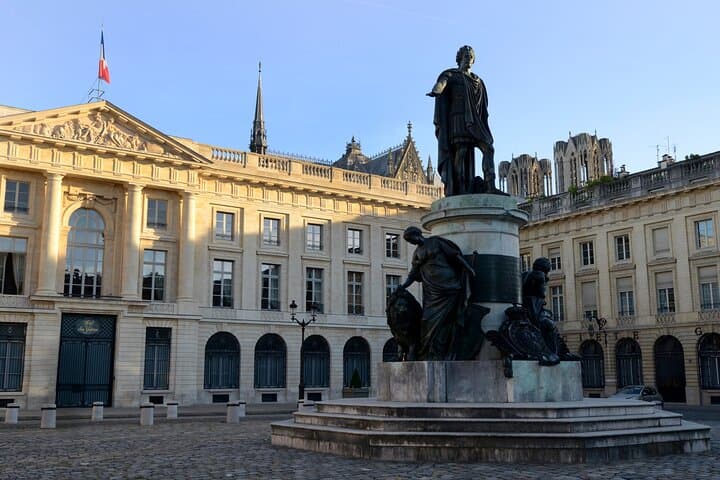
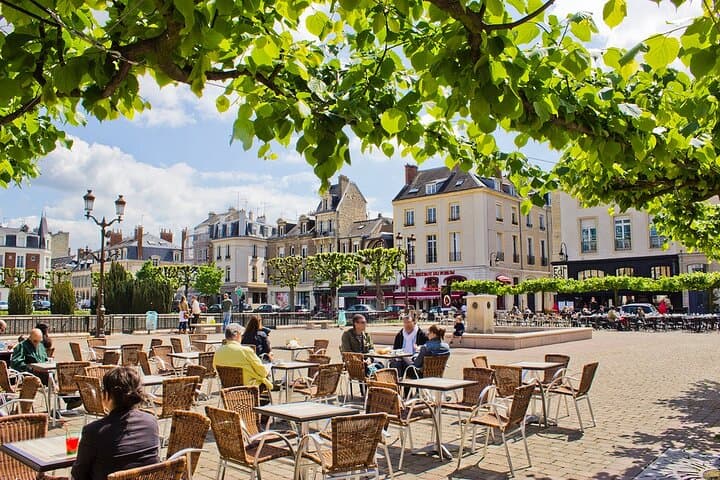
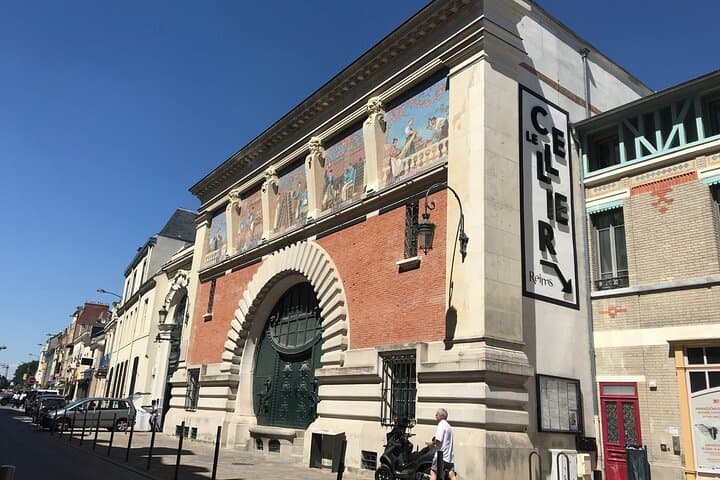
A cool morning finds the group gathered on the square before Reims Cathedral, where gothic spires and carved faces watch over the cobbles.
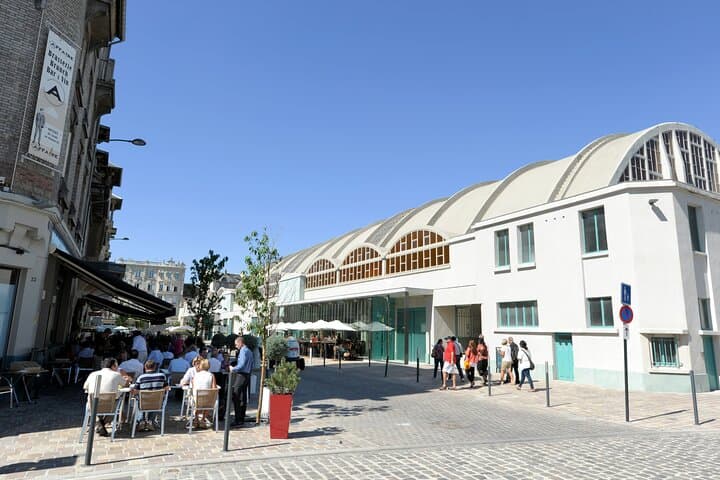
The guide threads a route through sunlit alleys and open squares, pausing at stone thresholds where Roman roads met medieval trade. You move in short bursts — two to four minutes between points — through layers of history: a Roman forum, a royal coronation city, civic façades from every era. The Boulingrin market at the end smells of fresh bread and citrus; the tasting at Sacrée Marianne hands you a flute that tastes of chalky soils and bright apple.
Geology matters here: the Champagne plain’s chalk aquifer gives the wines their minerality and cushions the city’s foundations, which is why cellars line the hills outside Reims and market basements in town. Culturally, Reims balances everyday market life with the ceremonials of wine and worship — artisans, vintners, and restoration teams all keep the city moving.
Practical guidance: the route is flat but cobbled; accessible for wheelchairs and prams, with brief on-foot links between stops. Expect 90–120 minutes on your feet and a final 20–30 minute tasting inside the Halles du Boulingrin. Bring a reusable bottle, comfortable shoes, and time to linger after the tour — small boutiques and cellar doors nearby reward curiosity. If you skip the Champagne, a non-alcoholic option is provided for younger guests.
A cool morning finds the group gathered on the square before Reims Cathedral, where gothic spires and carved faces watch over the cobbles.
The guide threads a route through sunlit alleys and open squares, pausing at stone thresholds where Roman roads met medieval trade. You move in short bursts — two to four minutes between points — through layers of history: a Roman forum, a royal coronation city, civic façades from every era. The Boulingrin market at the end smells of fresh bread and citrus; the tasting at Sacrée Marianne hands you a flute that tastes of chalky soils and bright apple.
Geology matters here: the Champagne plain’s chalk aquifer gives the wines their minerality and cushions the city’s foundations, which is why cellars line the hills outside Reims and market basements in town. Culturally, Reims balances everyday market life with the ceremonials of wine and worship — artisans, vintners, and restoration teams all keep the city moving.
Practical guidance: the route is flat but cobbled; accessible for wheelchairs and prams, with brief on-foot links between stops. Expect 90–120 minutes on your feet and a final 20–30 minute tasting inside the Halles du Boulingrin. Bring a reusable bottle, comfortable shoes, and time to linger after the tour — small boutiques and cellar doors nearby reward curiosity. If you skip the Champagne, a non-alcoholic option is provided for younger guests.