THE ADVENTURE COLLECTIVE® · Independent discovery and booking for outdoor travel

Walk the stage where generations of musicians have played and learn the deeper story written in red sandstone. This two-hour guided tour blends geology, music history, and practical tips for getting the most from Red Rocks Park.
Walk the stage where generations of musicians have played and learn the deeper story written in red sandstone. This two-hour guided tour blends geology, music history, and practical tips for getting the most from Red Rocks Park.
You arrive before the crowd, the air thin and sharp with Colorado light, and the red sandstone seems to glow from within. The amphitheatre’s tilted slabs rise like the ribs of the earth, a natural stage cut into the foothills. On a two-hour walking tour you stand on the stage and then climb into the upper seats—views unfurl east across the Great Plains while the rocks keep a kind of silent watch.
Verified experiences and guided adventures in the surrounding area.
Operated by WeVenture Denver · Morrison, Colorado
You arrive before the crowd, the air thin and sharp with Colorado light, and the red sandstone seems to glow from within. The amphitheatre’s tilted slabs rise like the ribs of the earth, a natural stage cut into the foothills. On a two-hour walking tour you stand on the stage and then climb into the upper seats—views unfurl east across the Great Plains while the rocks keep a kind of silent watch.
Red Rocks Park is less a single attraction than a long geological sentence. The hogbacks here are Fountain Formation sandstone, uplifted and tilted during the Laramide orogeny tens of millions of years ago; time and erosion sculpted the monoliths you’re walking around. Human history here runs long as well: Indigenous peoples, including Ute and Arapaho, used these sites for ceremony and travel long before the amphitheatre was conceived. The present-day venue took shape in the early 20th century and the current stage and seating were completed around 1941, when the city and federal work programs formalized a performance space that now hosts legends and newcomers alike.
A local guide threads these stories together—pointing out Creation Rock, the Hall of Fame exhibits, and the statue outside the Trading Post—while also noting the practicalities: where to watch sunrise, which viewpoints avoid glare, and where you might spot mule deer feeding at dusk. Wildlife here is subtle; red-tailed hawks quarter the thermals above and rabbits thread the underbrush below. If you like paleontology, ask about nearby Dinosaur Ridge—some of the earliest Jurassic footprints in North America are within a short drive.
Practical guidance: meet in front of the Red Rocks Trading Post; the tour runs about 2 hours and is wheelchair accessible, but wear sturdy shoes—the path includes stone steps and uneven surfaces. Bring water and sun protection year-round; afternoon concerts can push temperatures and crowds, while mornings deliver clearer light and fewer people. The Hall of Fame adds a museum feel to the walk—good for rainy minutes but plan most of the time outside.
If you plan to linger, your guide will recommend local spots in Morrison for a late lunch and a beer, and suggest scenic drives along Bear Creek Canyon or Lariat Loop. Respect the park: stay on trails, carry out trash, and keep voices low on the seating—Red Rocks’ acoustics are part of what makes the place special. Whether you come for music history, geology, or a short nature stroll, this tour makes the park legible: the rocks tell the timeline, and the guide helps you read it.
easy.
2 hours.
Suitable for most fitness levels; participants should be able to manage stairs and short, uneven trails.
Meet in front of the Red Rocks Trading Post inside Red Rocks Park & Amphitheatre; the guide will be there at the listed tour start time.
Yes—Red Rocks Park provides wheelchair-accessible routes and the tour notes accessible areas, though some viewpoints use steps.
The tour is approximately 2 hours and covers the amphitheatre, Hall of Fame area, and a short outdoor stroll.
Infants and small children in strollers are welcome; keep young children close on stairs and near edges.
Yes—parking is available but limited; arrive early to secure a spot, especially on concert or weekend days.
Possibly—mule deer, hawks, and small mammals are often spotted; wildlife sightings aren’t guaranteed but are common in quieter hours.
The area served Indigenous peoples long before it became a public park; the amphitheatre’s modern form was completed around 1941 as part of local park development.
The city of Denver manages the park—stay on designated trails, pack out trash, and avoid disturbing plant life to help preserve fragile foothill ecosystems.
WeVenture Denver operates guided outdoor trips and adventures with an emphasis on safety, stewardship, and memorable experiences.
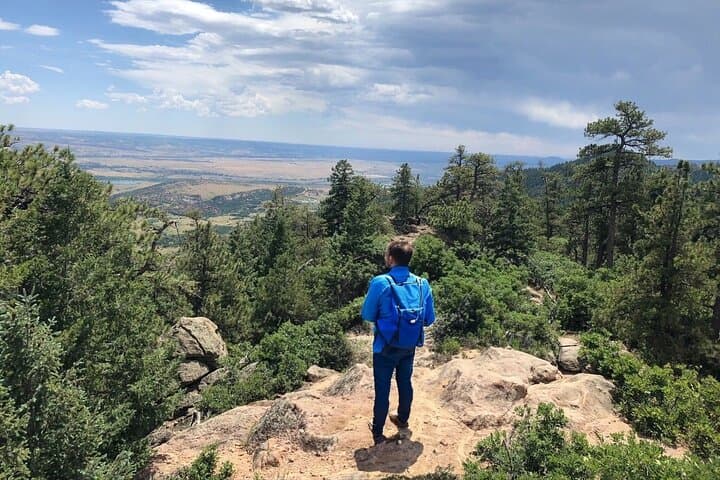
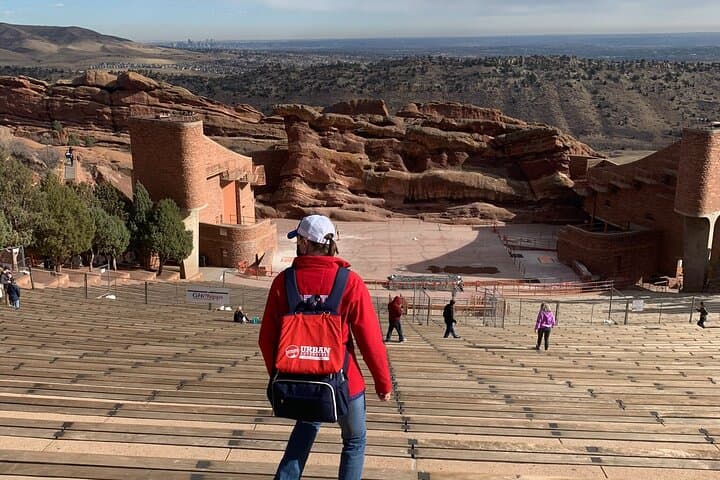
You arrive before the crowd, the air thin and sharp with Colorado light, and the red sandstone seems to glow from within. The amphitheatre’s tilted slabs rise like the ribs of the earth, a natural stage cut into the foothills. On a two-hour walking tour you stand on the stage and then climb into the upper seats—views unfurl east across the Great Plains while the rocks keep a kind of silent watch.
You arrive before the crowd, the air thin and sharp with Colorado light, and the red sandstone seems to glow from within. The amphitheatre’s tilted slabs rise like the ribs of the earth, a natural stage cut into the foothills. On a two-hour walking tour you stand on the stage and then climb into the upper seats—views unfurl east across the Great Plains while the rocks keep a kind of silent watch.
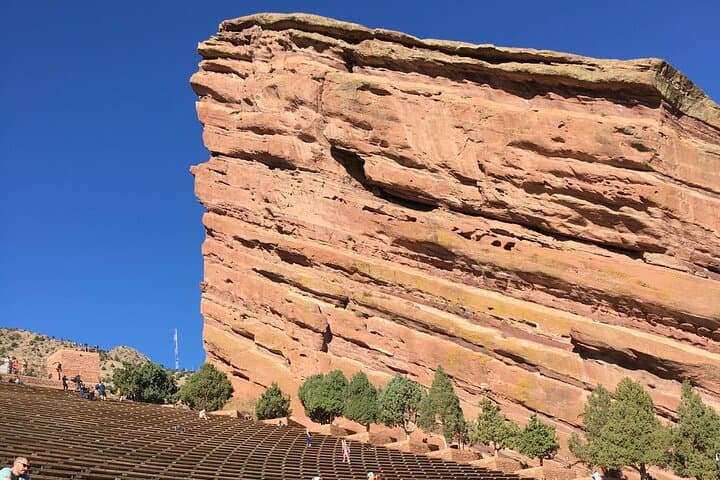
Red Rocks Park is less a single attraction than a long geological sentence. The hogbacks here are Fountain Formation sandstone, uplifted and tilted during the Laramide orogeny tens of millions of years ago; time and erosion sculpted the monoliths you’re walking around. Human history here runs long as well: Indigenous peoples, including Ute and Arapaho, used these sites for ceremony and travel long before the amphitheatre was conceived. The present-day venue took shape in the early 20th century and the current stage and seating were completed around 1941, when the city and federal work programs formalized a performance space that now hosts legends and newcomers alike.
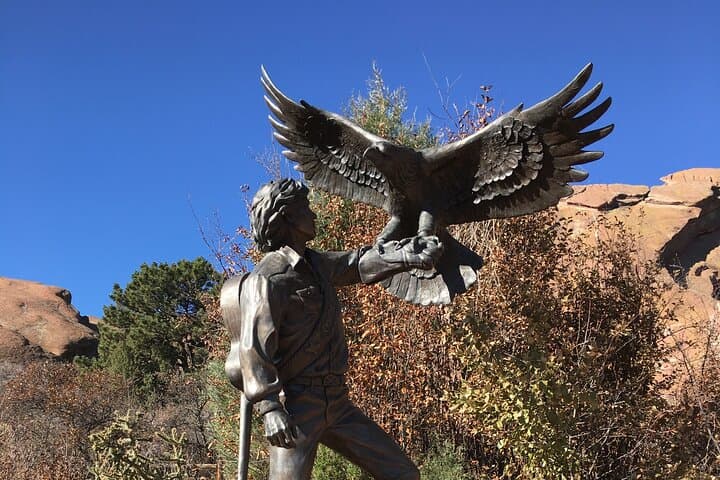
A local guide threads these stories together—pointing out Creation Rock, the Hall of Fame exhibits, and the statue outside the Trading Post—while also noting the practicalities: where to watch sunrise, which viewpoints avoid glare, and where you might spot mule deer feeding at dusk. Wildlife here is subtle; red-tailed hawks quarter the thermals above and rabbits thread the underbrush below. If you like paleontology, ask about nearby Dinosaur Ridge—some of the earliest Jurassic footprints in North America are within a short drive.
Practical guidance: meet in front of the Red Rocks Trading Post; the tour runs about 2 hours and is wheelchair accessible, but wear sturdy shoes—the path includes stone steps and uneven surfaces. Bring water and sun protection year-round; afternoon concerts can push temperatures and crowds, while mornings deliver clearer light and fewer people. The Hall of Fame adds a museum feel to the walk—good for rainy minutes but plan most of the time outside.
If you plan to linger, your guide will recommend local spots in Morrison for a late lunch and a beer, and suggest scenic drives along Bear Creek Canyon or Lariat Loop. Respect the park: stay on trails, carry out trash, and keep voices low on the seating—Red Rocks’ acoustics are part of what makes the place special. Whether you come for music history, geology, or a short nature stroll, this tour makes the park legible: the rocks tell the timeline, and the guide helps you read it.