THE ADVENTURE COLLECTIVE® · Independent discovery and booking for outdoor travel

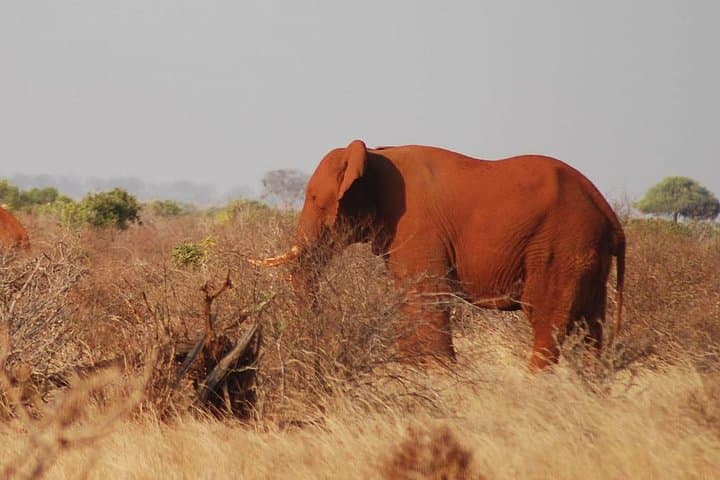
Spend two days inside Tsavo East searching for the park’s legendary red elephants and a dense variety of wildlife. This vehicle-based overnight safari balances long game drives with lodge comfort, making it accessible to most travelers.
Spend two days inside Tsavo East searching for the park’s legendary red elephants and a dense variety of wildlife. This vehicle-based overnight safari balances long game drives with lodge comfort, making it accessible to most travelers.
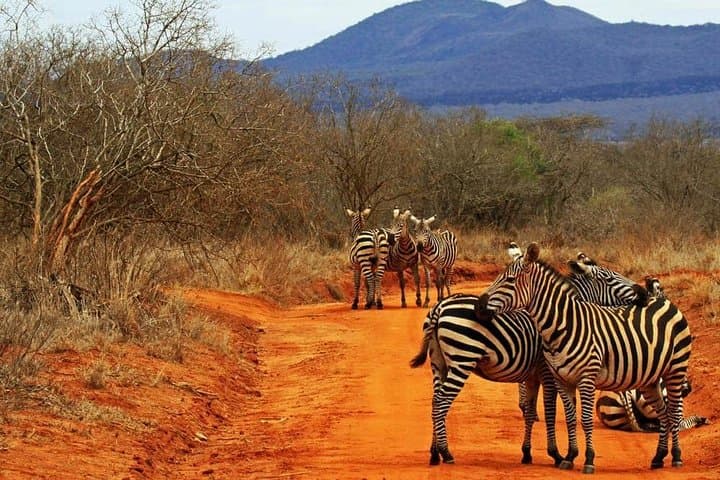
Dawn spreads a dry gold over the plains of Tsavo East, and the safari jeep nudges through a lane of acacia and red earth.
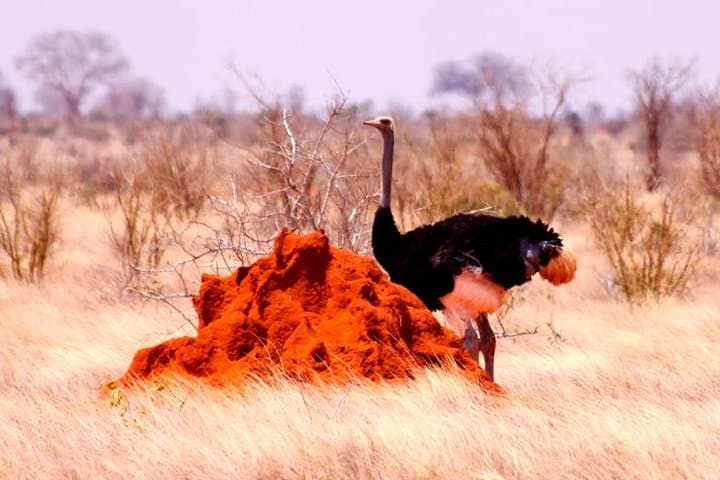
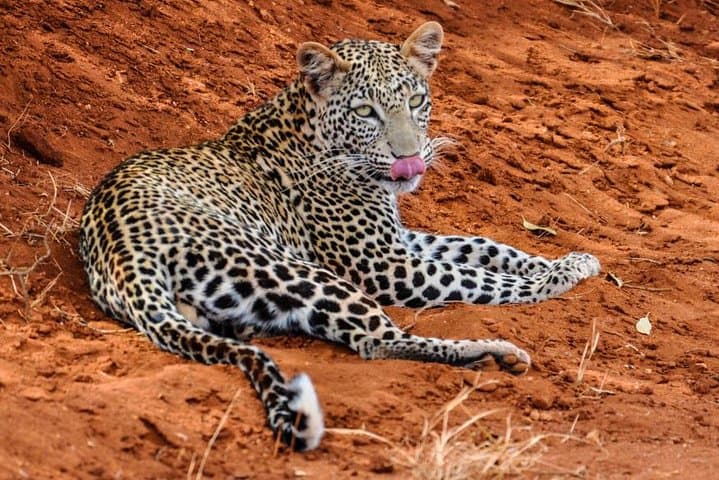
The first morning game drive feels immediate: red elephants emerge from scrub, ostriches drum across flats, and a distant lion watches the horizon.
Tsavo East is Kenya’s largest park, carved from semi-arid savanna and volcanic basalt flows that tilt and fracture into ridges and seasonal riverbeds.
The region’s geology—Pleistocene lava, red soils and alluvial fans—shapes watering holes that concentrate wildlife and birds; more than 500 species have been recorded here.
Human history is present in the park’s trade routes and the famous man-eaters of Tsavo that challenged colonial railway crews in 1898, a story preserved in nearby towns.
Local communities around Voi and Diani keep pastoral and coastal traditions, and lodges here work with guides drawn from the same landscape.
Practically, expect long, vehicle-based game drives at first light and late afternoon when animals are most active; heat peaks midday and roads can be rough after rains.
Bring a sun hat, layered clothing for cool mornings, plenty of water and binoculars; camera lenses 200–400mm work well for distant subjects.
Accommodation at a safari lodge provides meals and a sheltered base between drives.
Logistics: most operators pick up from Mombasa or Diani, drive 3–5 hours to the park, and require passport details for park entry.
Travelers should be ready for dusty roads, early wake-ups, and unforgettable close encounters with large mammals across red-tinged plains.
Verified experiences and guided adventures in the surrounding area.
Operated by Wildlife Safari Exploreans Day Trips · Voi, Taita-Taveta County
Dawn spreads a dry gold over the plains of Tsavo East, and the safari jeep nudges through a lane of acacia and red earth.
The first morning game drive feels immediate: red elephants emerge from scrub, ostriches drum across flats, and a distant lion watches the horizon.
Tsavo East is Kenya’s largest park, carved from semi-arid savanna and volcanic basalt flows that tilt and fracture into ridges and seasonal riverbeds.
The region’s geology—Pleistocene lava, red soils and alluvial fans—shapes watering holes that concentrate wildlife and birds; more than 500 species have been recorded here.
Human history is present in the park’s trade routes and the famous man-eaters of Tsavo that challenged colonial railway crews in 1898, a story preserved in nearby towns.
Local communities around Voi and Diani keep pastoral and coastal traditions, and lodges here work with guides drawn from the same landscape.
Practically, expect long, vehicle-based game drives at first light and late afternoon when animals are most active; heat peaks midday and roads can be rough after rains.
Bring a sun hat, layered clothing for cool mornings, plenty of water and binoculars; camera lenses 200–400mm work well for distant subjects.
Accommodation at a safari lodge provides meals and a sheltered base between drives.
Logistics: most operators pick up from Mombasa or Diani, drive 3–5 hours to the park, and require passport details for park entry.
Travelers should be ready for dusty roads, early wake-ups, and unforgettable close encounters with large mammals across red-tinged plains.
easy.
2 days (1 night).
Suitable for most fitness levels—safari is vehicle-based with short, easy walks at lodges
Expect roughly 3–5 hours by road depending on pickup location, traffic and stops en route.
This itinerary includes meals and fees as listed by the operator—confirm specific inclusions at booking.
The tour is vehicle-based and marked as suitable for most physical levels; however, infants must sit on laps and check accessibility with the operator.
Malaria risk exists in this region—consult a travel clinic for required vaccinations and prophylaxis recommendations before travel.
Tsavo East’s modern identity is shaped by its colonial-era railway history and the 1898 man-eaters of Tsavo, events that influenced park awareness and local museums.
Conservation here balances protected habitat with neighboring community livelihoods; supporting lodges that employ local guides helps reduce human-wildlife conflict.
Wildlife Safari Exploreans Day Trips operates guided outdoor trips and adventures with an emphasis on safety, stewardship, and memorable experiences.
Dawn spreads a dry gold over the plains of Tsavo East, and the safari jeep nudges through a lane of acacia and red earth.
The first morning game drive feels immediate: red elephants emerge from scrub, ostriches drum across flats, and a distant lion watches the horizon.
Tsavo East is Kenya’s largest park, carved from semi-arid savanna and volcanic basalt flows that tilt and fracture into ridges and seasonal riverbeds.
The region’s geology—Pleistocene lava, red soils and alluvial fans—shapes watering holes that concentrate wildlife and birds; more than 500 species have been recorded here.
Human history is present in the park’s trade routes and the famous man-eaters of Tsavo that challenged colonial railway crews in 1898, a story preserved in nearby towns.
Local communities around Voi and Diani keep pastoral and coastal traditions, and lodges here work with guides drawn from the same landscape.
Practically, expect long, vehicle-based game drives at first light and late afternoon when animals are most active; heat peaks midday and roads can be rough after rains.
Bring a sun hat, layered clothing for cool mornings, plenty of water and binoculars; camera lenses 200–400mm work well for distant subjects.
Accommodation at a safari lodge provides meals and a sheltered base between drives.
Logistics: most operators pick up from Mombasa or Diani, drive 3–5 hours to the park, and require passport details for park entry.
Travelers should be ready for dusty roads, early wake-ups, and unforgettable close encounters with large mammals across red-tinged plains.
Dawn spreads a dry gold over the plains of Tsavo East, and the safari jeep nudges through a lane of acacia and red earth.
The first morning game drive feels immediate: red elephants emerge from scrub, ostriches drum across flats, and a distant lion watches the horizon.
Tsavo East is Kenya’s largest park, carved from semi-arid savanna and volcanic basalt flows that tilt and fracture into ridges and seasonal riverbeds.
The region’s geology—Pleistocene lava, red soils and alluvial fans—shapes watering holes that concentrate wildlife and birds; more than 500 species have been recorded here.
Human history is present in the park’s trade routes and the famous man-eaters of Tsavo that challenged colonial railway crews in 1898, a story preserved in nearby towns.
Local communities around Voi and Diani keep pastoral and coastal traditions, and lodges here work with guides drawn from the same landscape.
Practically, expect long, vehicle-based game drives at first light and late afternoon when animals are most active; heat peaks midday and roads can be rough after rains.
Bring a sun hat, layered clothing for cool mornings, plenty of water and binoculars; camera lenses 200–400mm work well for distant subjects.
Accommodation at a safari lodge provides meals and a sheltered base between drives.
Logistics: most operators pick up from Mombasa or Diani, drive 3–5 hours to the park, and require passport details for park entry.
Travelers should be ready for dusty roads, early wake-ups, and unforgettable close encounters with large mammals across red-tinged plains.