THE ADVENTURE COLLECTIVE® · Independent discovery and booking for outdoor travel

Run the longest stretch of the Struma River — 10–12 km of rapids, canyon scenery, and birdlife a few kilometers past Simitli. This guided trip pairs professional instruction, full neoprene kit, and facilities at the rafting center for a 2.5–3 hour adventure.
Run the longest stretch of the Struma River — 10–12 km of rapids, canyon scenery, and birdlife a few kilometers past Simitli. This guided trip pairs professional instruction, full neoprene kit, and facilities at the rafting center for a 2.5–3 hour adventure.
You step off the dusty access road and feel the river before you see it — a cool, audible pull through the canyon, the current carrying a mix of mineral smell and wet stone. Inflated rafts wait like punctuation marks against a lip of gray rock; neoprene suits hiss as guides pull them on and clip helmets with the practiced calm of people who read water like a map. The Struma here is restless but readable: a 10–12 km run of churn and glide that spends 1.5–2 hours testing rhythm and nerve between March and November.
Verified experiences and guided adventures in the surrounding area.
Operated by X-Club · Simitli, Blagoevgrad Province
You step off the dusty access road and feel the river before you see it — a cool, audible pull through the canyon, the current carrying a mix of mineral smell and wet stone. Inflated rafts wait like punctuation marks against a lip of gray rock; neoprene suits hiss as guides pull them on and clip helmets with the practiced calm of people who read water like a map. The Struma here is restless but readable: a 10–12 km run of churn and glide that spends 1.5–2 hours testing rhythm and nerve between March and November.
Geology and history make this stretch interesting beyond its rapids. The Struma traces a route carved by uplift and incision where the Rila and Pirin foothills give way to the valley toward the Aegean. Rock outcrops alternate between smooth limestone shelves and blocky schist, creating ledges and drops that bend water into quick, playful rapids. For millennia the river corridor was a trade and migration route — Roman roads and Ottoman-era tracks threaded these valleys — and villages along the banks still lean on agriculture and small-scale tourism.
Local guides combine practical teaching with a cultural frankness: paddling technique and safety come first, then an eye for wildlife. Grey herons and cormorants fish the eddies; on a clear thermic day you might see griffon vultures or hawks wheel over the ridgelines. The rafting center near Poleto village (GPS 41.847986, 23.141863) doubles as a small outdoor hub — changing rooms, lockers, outside showers, a bar, and a rope garden with zipline if you want to extend the adrenaline.
For planning: expect to spend 2.5–3 hours total with briefing, outfit, transfer to the put-in and the downstream exit. Operators provide full equipment — neoprene suit, neoprene shoes, helmet, jacket and PFD — but bring a bathing suit, towel, a T‑shirt to wear under your PFD, and flip‑flops for after. Physical demand is moderate: you should be comfortable following instructions, able to swim, and ready to paddle for sustained bursts.
Timing matters. Spring runoff amplifies power and can lift difficulty; summer lowers water levels but brings warm weather; autumn offers crisp light and quieter banks. The center is wheelchair- and stroller-accessible at the base facilities, but rafting itself is not suitable for pregnant guests or those with serious spinal injuries. Combine the run with the rope garden for a full-day outdoor adventure — or plan a stop in Simitli or nearby Bansko for food and culture after you dry off.
On launch day, hydrate, protect your skin, secure cameras in a dry bag, and trust the brief. The Struma wants attention and respect; it rewards straightforward paddling with long, river-borne views and a steady line of rapids that keep the pulse honest without unnecessary theatrics.
moderate.
2.5–3 hours.
Comfortable for people with regular aerobic activity—able to paddle and follow instructions for short bursts; not suitable for those with serious spinal conditions or pregnancy.
The river run itself lasts about 1.5–2 hours over approximately 10–12 km; total time including briefing and transfers is 2.5–3 hours.
No prior experience is required — guides give a safety briefing and teach paddle commands; participants should have moderate fitness and basic swimming ability.
Bring a bathing suit, towel, quick-dry T‑shirt, flip‑flops for after, and a small dry bag for valuables. The operator supplies neoprene suits, shoes, helmets and PFDs.
Children can participate depending on age, weight and water level; check with the operator when booking as suitability varies with river conditions.
Yes — the rafting center includes a rope garden and zipline that can be combined for a full outdoor day.
Meet at the rafting center near Poleto village next to the gas station (GPS 41.847986, 23.141863). There’s convenient parking and public transport options nearby; confirm directions with your operator.
The Struma corridor has long been a north–south corridor from the Balkans to the Aegean; Roman and Ottoman routes passed through these valleys, shaping local trade and settlement patterns.
Respect riparian zones: avoid leaving trash, use provided toilets and disposal, and follow guides’ instructions to minimize bank erosion and disturbance to birds.
X-Club operates guided outdoor trips and adventures with an emphasis on safety, stewardship, and memorable experiences.
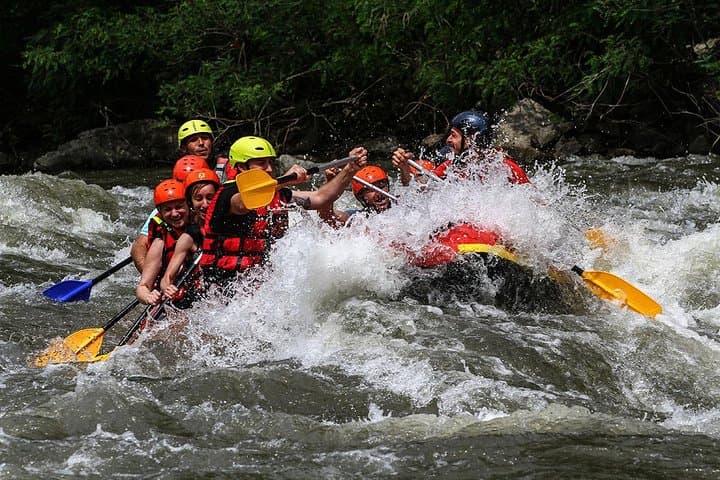
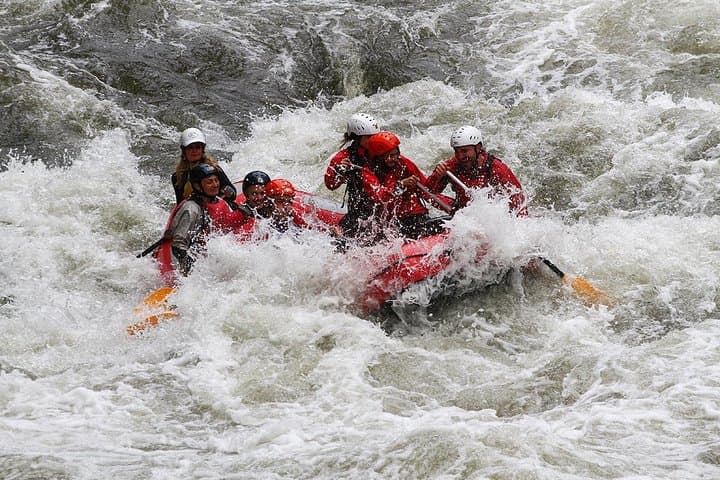
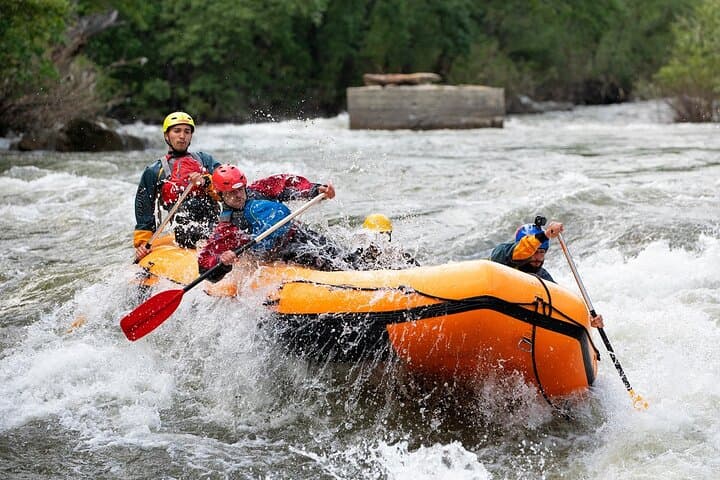
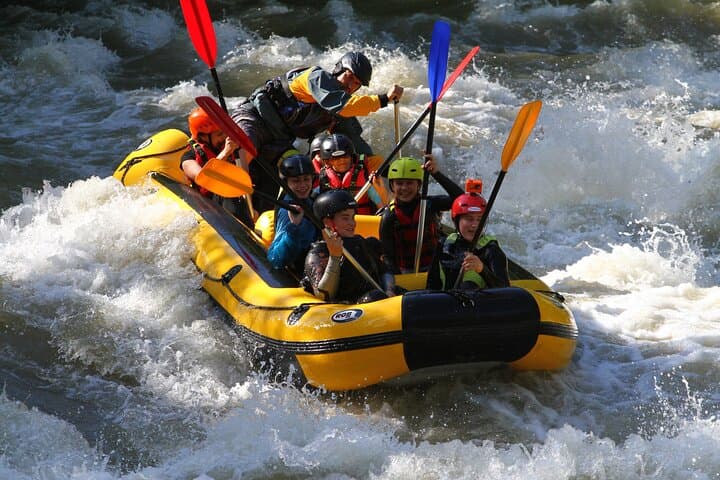
You step off the dusty access road and feel the river before you see it — a cool, audible pull through the canyon, the current carrying a mix of mineral smell and wet stone. Inflated rafts wait like punctuation marks against a lip of gray rock; neoprene suits hiss as guides pull them on and clip helmets with the practiced calm of people who read water like a map. The Struma here is restless but readable: a 10–12 km run of churn and glide that spends 1.5–2 hours testing rhythm and nerve between March and November.
You step off the dusty access road and feel the river before you see it — a cool, audible pull through the canyon, the current carrying a mix of mineral smell and wet stone. Inflated rafts wait like punctuation marks against a lip of gray rock; neoprene suits hiss as guides pull them on and clip helmets with the practiced calm of people who read water like a map. The Struma here is restless but readable: a 10–12 km run of churn and glide that spends 1.5–2 hours testing rhythm and nerve between March and November.
Geology and history make this stretch interesting beyond its rapids. The Struma traces a route carved by uplift and incision where the Rila and Pirin foothills give way to the valley toward the Aegean. Rock outcrops alternate between smooth limestone shelves and blocky schist, creating ledges and drops that bend water into quick, playful rapids. For millennia the river corridor was a trade and migration route — Roman roads and Ottoman-era tracks threaded these valleys — and villages along the banks still lean on agriculture and small-scale tourism.
Local guides combine practical teaching with a cultural frankness: paddling technique and safety come first, then an eye for wildlife. Grey herons and cormorants fish the eddies; on a clear thermic day you might see griffon vultures or hawks wheel over the ridgelines. The rafting center near Poleto village (GPS 41.847986, 23.141863) doubles as a small outdoor hub — changing rooms, lockers, outside showers, a bar, and a rope garden with zipline if you want to extend the adrenaline.
For planning: expect to spend 2.5–3 hours total with briefing, outfit, transfer to the put-in and the downstream exit. Operators provide full equipment — neoprene suit, neoprene shoes, helmet, jacket and PFD — but bring a bathing suit, towel, a T‑shirt to wear under your PFD, and flip‑flops for after. Physical demand is moderate: you should be comfortable following instructions, able to swim, and ready to paddle for sustained bursts.
Timing matters. Spring runoff amplifies power and can lift difficulty; summer lowers water levels but brings warm weather; autumn offers crisp light and quieter banks. The center is wheelchair- and stroller-accessible at the base facilities, but rafting itself is not suitable for pregnant guests or those with serious spinal injuries. Combine the run with the rope garden for a full-day outdoor adventure — or plan a stop in Simitli or nearby Bansko for food and culture after you dry off.
On launch day, hydrate, protect your skin, secure cameras in a dry bag, and trust the brief. The Struma wants attention and respect; it rewards straightforward paddling with long, river-borne views and a steady line of rapids that keep the pulse honest without unnecessary theatrics.