THE ADVENTURE COLLECTIVE® · Independent discovery and booking for outdoor travel

Plunge through rice fields and village life on a half‑day rafting trip from Senggigi to Karang Bayan. Quick transfers, local guides, and technical rapids make this an approachable yet authentic Lombok river run.
Plunge through rice fields and village life on a half‑day rafting trip from Senggigi to Karang Bayan. Quick transfers, local guides, and technical rapids make this an approachable yet authentic Lombok river run.
The river arrives before the valley does — a narrow, bright ribbon that cuts through rice paddies and past low stone houses, daring you to keep up. You meet your guide under the palms in Senggigi before the road slashes inland; a short transfer, a quick safety briefing, and then the current takes over. Boats clatter, helmets click, and the first run of whitewater sends spray into laughing faces. Between rapids, the river slows and lets you look: terraces step down like green fingers, children wave from bamboo bridges, and the air smells of wet earth and frying tempeh.
Verified experiences and guided adventures in the surrounding area.
Operated by Gadiza Lombok Tour & Travel · Senggigi, West Nusa Tenggara
The river arrives before the valley does — a narrow, bright ribbon that cuts through rice paddies and past low stone houses, daring you to keep up. You meet your guide under the palms in Senggigi before the road slashes inland; a short transfer, a quick safety briefing, and then the current takes over. Boats clatter, helmets click, and the first run of whitewater sends spray into laughing faces. Between rapids, the river slows and lets you look: terraces step down like green fingers, children wave from bamboo bridges, and the air smells of wet earth and frying tempeh.
This is Lombok river rafting in plain clothes — not a manufactured theme park but a route that threads through Sasak rice country and small villages. The valleys here are young: volcanic soils from nearby Rinjani give the river its grit and the farmers their good terraces. Historically, these waterways were lifelines for irrigation and travel; today local operators have carved short commercial sections into a half-day package that pairs adrenaline with cultural contact. Guides often point out traditional thatched homes and explain rice rotations or the local belief systems tied to land and water.
The trip’s cultural payoffs are as immediate as the rapids. You’ll float past homesteads where hand-threshing still happens, and guides — many drawn from the villages themselves — translate casual greetings and explain the Sasak way of life. Geologically, the river’s bed tells a story of volcanic ash and hardened lava robbed into finer sediment; the result is a fast, technical channel that punches up a dozen exciting sections in a short stretch.
Practicalities are straightforward. Operators will pick you up from hotels in Senggigi or Mataram, drive you to the Karang Bayan launch, rig the boats and run a safety briefing. Expect a day that includes transfers, a guided raft run, a boxed or local lunch, and a return to your hotel — plan on 5–7 hours door-to-door depending on traffic. Fitness-wise, moderate stamina is enough: you’ll paddle hard through class II–III rapids and sit through quieter stretches. The operator supplies life vests, helmets, and sturdy inflatable rafts; waterproof bags for phones are a must.
Timing matters: the dry season produces clear, technical water with exposed rocks; after monsoon rains the river swells and the rapids push harder. Bring reef shoes or secure sandals, sun protection, and a sense of curiosity. Respect local customs at river crossings, tip your guide if service is good, and avoid single-use plastics — the community depends on clean water for their rice and livelihoods. The payoff is direct: fast water, honest landscapes, and up-close encounters with a working countryside that still responds to the river’s moods.
moderate.
5–7 hours.
Moderate fitness—able to paddle, brace for brief exertion and quick movements
The guided raft section typically runs 1–2 hours depending on water levels; the full door‑to‑door program including transfers and lunch takes about 5–7 hours.
Yes—most operators cater to beginners and families; children should meet the operator’s minimum age and be comfortable in water.
Yes—standard safety kit (helmet, life jacket) and a safety briefing are included in the package.
Not recommended for pregnant travelers or those with serious heart or spinal conditions; disclose health issues when booking.
Yes—hotel pickup in Senggigi and Mataram is typically included; confirm exact pickup point when you book.
Lunch is provided by the operator; bring a refillable water bottle, snacks if you have dietary needs, and small cash for extras.
The valley’s settlements are predominantly Sasak; rice cultivation here follows age‑old rotations tied to local customs and seasonal irrigation.
Operators rely on clean water and village goodwill—avoid plastic waste, support local guides, and follow leave‑no‑trace practices to protect the river.
Gadiza Lombok Tour & Travel operates guided outdoor trips and adventures with an emphasis on safety, stewardship, and memorable experiences.
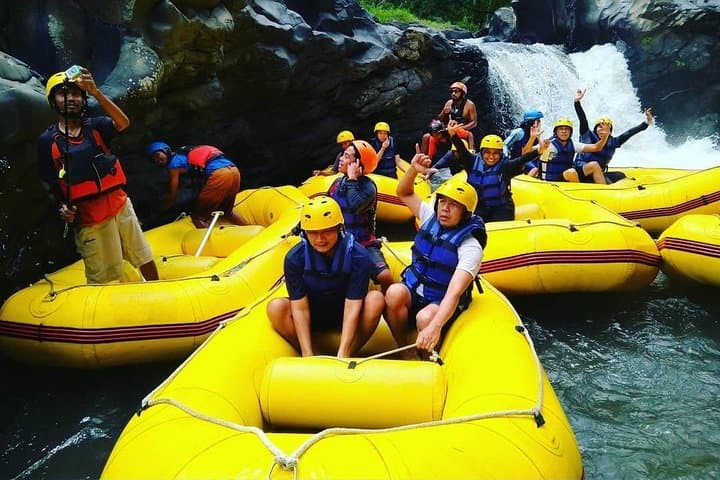
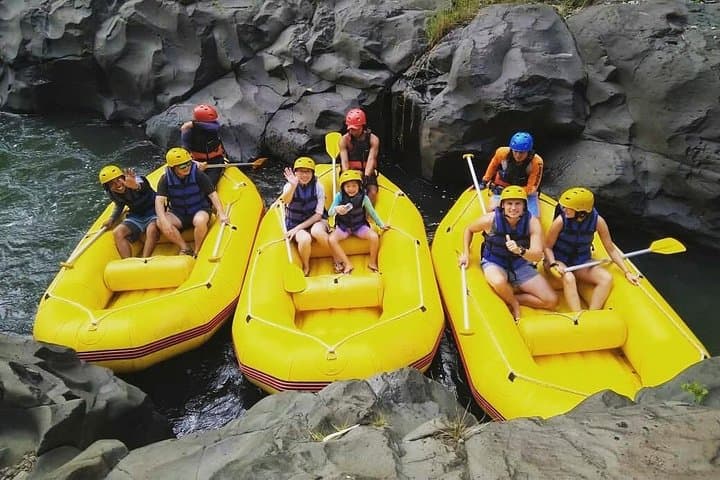
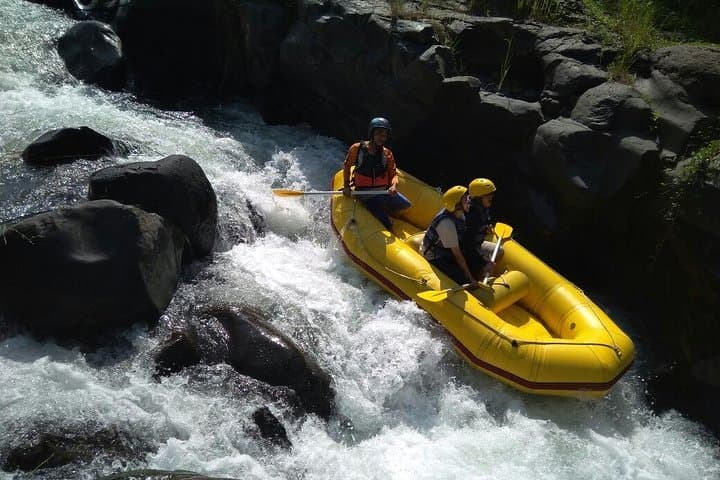
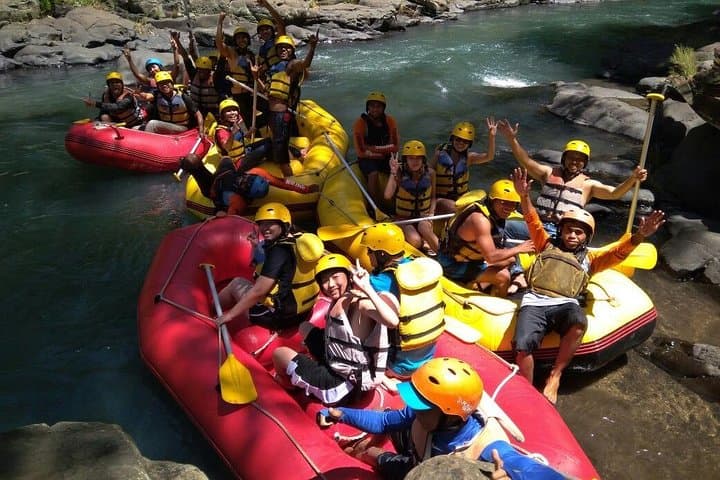
The river arrives before the valley does — a narrow, bright ribbon that cuts through rice paddies and past low stone houses, daring you to keep up. You meet your guide under the palms in Senggigi before the road slashes inland; a short transfer, a quick safety briefing, and then the current takes over. Boats clatter, helmets click, and the first run of whitewater sends spray into laughing faces. Between rapids, the river slows and lets you look: terraces step down like green fingers, children wave from bamboo bridges, and the air smells of wet earth and frying tempeh.
The river arrives before the valley does — a narrow, bright ribbon that cuts through rice paddies and past low stone houses, daring you to keep up. You meet your guide under the palms in Senggigi before the road slashes inland; a short transfer, a quick safety briefing, and then the current takes over. Boats clatter, helmets click, and the first run of whitewater sends spray into laughing faces. Between rapids, the river slows and lets you look: terraces step down like green fingers, children wave from bamboo bridges, and the air smells of wet earth and frying tempeh.
This is Lombok river rafting in plain clothes — not a manufactured theme park but a route that threads through Sasak rice country and small villages. The valleys here are young: volcanic soils from nearby Rinjani give the river its grit and the farmers their good terraces. Historically, these waterways were lifelines for irrigation and travel; today local operators have carved short commercial sections into a half-day package that pairs adrenaline with cultural contact. Guides often point out traditional thatched homes and explain rice rotations or the local belief systems tied to land and water.
The trip’s cultural payoffs are as immediate as the rapids. You’ll float past homesteads where hand-threshing still happens, and guides — many drawn from the villages themselves — translate casual greetings and explain the Sasak way of life. Geologically, the river’s bed tells a story of volcanic ash and hardened lava robbed into finer sediment; the result is a fast, technical channel that punches up a dozen exciting sections in a short stretch.
Practicalities are straightforward. Operators will pick you up from hotels in Senggigi or Mataram, drive you to the Karang Bayan launch, rig the boats and run a safety briefing. Expect a day that includes transfers, a guided raft run, a boxed or local lunch, and a return to your hotel — plan on 5–7 hours door-to-door depending on traffic. Fitness-wise, moderate stamina is enough: you’ll paddle hard through class II–III rapids and sit through quieter stretches. The operator supplies life vests, helmets, and sturdy inflatable rafts; waterproof bags for phones are a must.
Timing matters: the dry season produces clear, technical water with exposed rocks; after monsoon rains the river swells and the rapids push harder. Bring reef shoes or secure sandals, sun protection, and a sense of curiosity. Respect local customs at river crossings, tip your guide if service is good, and avoid single-use plastics — the community depends on clean water for their rice and livelihoods. The payoff is direct: fast water, honest landscapes, and up-close encounters with a working countryside that still responds to the river’s moods.