THE ADVENTURE COLLECTIVE® · Independent discovery and booking for outdoor travel

Travelers leave the resorts behind for a full day in Los Haitises: a two-hour rainforest walk, cave visits with Taino pictographs, and a multihour kayak through bird-thick mangroves before a local lunch. Expect a long, active day with rich cultural and natural highlights.
Travelers leave the resorts behind for a full day in Los Haitises: a two-hour rainforest walk, cave visits with Taino pictographs, and a multihour kayak through bird-thick mangroves before a local lunch. Expect a long, active day with rich cultural and natural highlights.
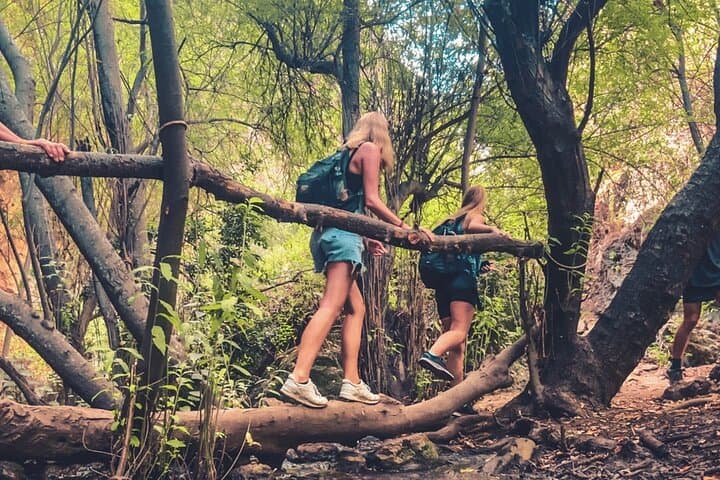
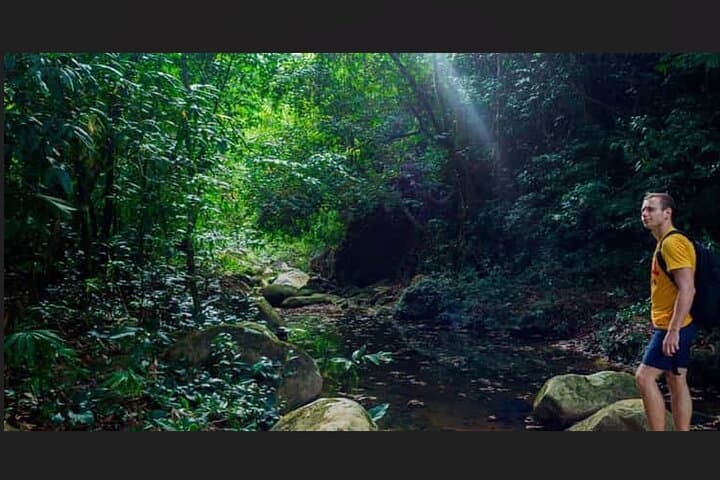
You start before sunrise in Punta Cana, folding into the hush of a coach bound for the island’s quieter northeast. The road narrows, palms give way to low farmland and then, suddenly, the mangrove labyrinth appears: a green grid of roots and dark water that seems to breathe. On the trail through Los Haitises National Park the forest doesn’t wait—it leans in. Trees press cool shade against your shoulders; the air smells of salt and loam. Guides point out medicinal leaves and the ghostly hollows where Taino pictographs still crease limestone walls; the caves feel like books with weathered pages.
Verified experiences and guided adventures in the surrounding area.
Operated by The Whales Las Ballenas · Sabana de la Mar, Hato Mayor del Rey
You start before sunrise in Punta Cana, folding into the hush of a coach bound for the island’s quieter northeast. The road narrows, palms give way to low farmland and then, suddenly, the mangrove labyrinth appears: a green grid of roots and dark water that seems to breathe. On the trail through Los Haitises National Park the forest doesn’t wait—it leans in. Trees press cool shade against your shoulders; the air smells of salt and loam. Guides point out medicinal leaves and the ghostly hollows where Taino pictographs still crease limestone walls; the caves feel like books with weathered pages.
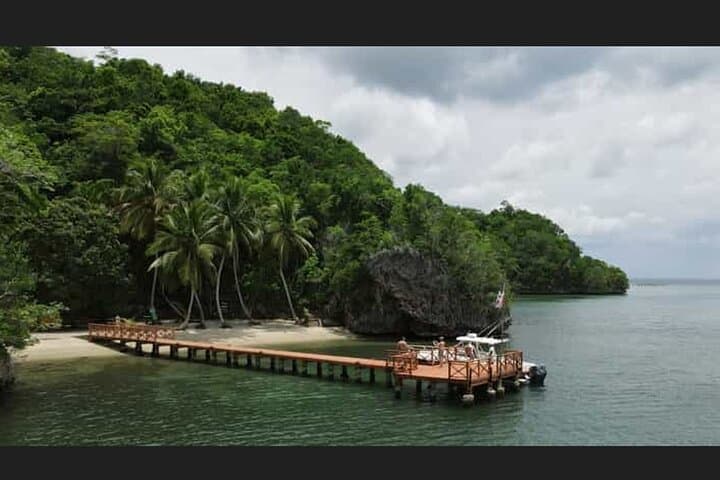
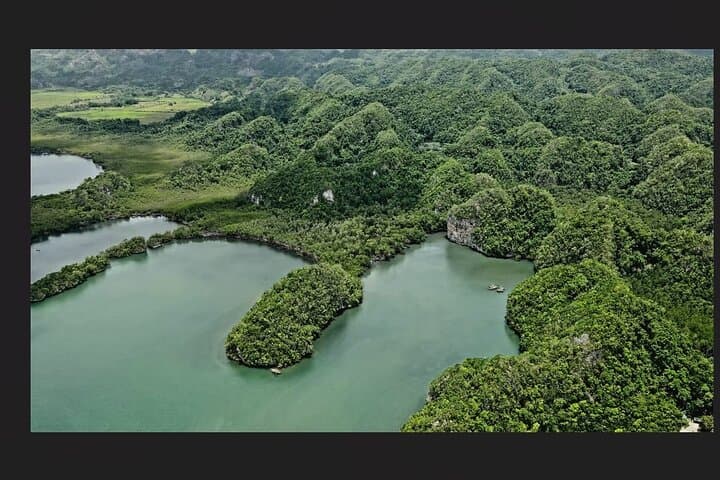
Los Haitises is geologic theater—limestone karst domes and mogotes rise from marsh and sea, some nearly 30 meters high, carved by millennia of wind and tidal patience. Spaniards and indigenous Taíno once navigated these coves; later, fishermen and farmers learned the rhythms of the mangroves, which act as both nursery and shield for the coast. Montaña Redonda, a separate stop on the route, offers a high, open vantage—coffee and cacao plantations ripple down toward beaches, and the countryside’s patchwork says more about culture than postcards ever could. Finish at Yanigua, where cacao farms, a blue amber mine and a natural spa give a local texture to the day.
The centerpiece of the trip is a two-hour forest hike followed by roughly four hours of guided kayaking through mangrove channels that funnel out into San Lorenzo Bay. Birdlife dominates the soundtrack: Hispaniolan woodpeckers tapping trunks, green emerald hummingbirds flashing. Guides are bilingual and point out over 900 Taino pictographs inside cave networks, tethering the landscape to human history.
Practicalities are simple but essential. Expect a long day—about 12–13 hours with hotel pickup and return. Trails are humid and can be slick; wear closed-toe shoes that can handle mud and river splashes. Kayaks are stable recreational tandems with lifejackets provided; basic paddling instruction is given before launch, but the channels demand attention to tides and roots. Bring reef-friendly sunscreen, a dry bag for electronics, and cash for the local lunch and small souvenirs.
Timing matters: mornings are cooler for hikes and birding, while late afternoon light softens the limestone faces for photography. The tour is family-friendly but not suitable for pregnant travelers or people with serious back issues. By the time you head back to Punta Cana the coach hums with quiet satisfaction—the day has stretched from forest floor to open bay, a single arc that makes clear why this part of the Dominican Republic still feels like an invitation rather than an itinerary.
moderate.
12–13 hours.
Moderate fitness; able to hike 2 hours on uneven terrain and paddle for several hours with breaks.
The guided kayaking through the mangroves is about four hours including paddling, short stops, and the final open-bay stretch at San Lorenzo.
The rainforest hike is roughly two hours over moderate, sometimes muddy terrain—suitable for most people who are comfortable walking uneven paths.
Yes—lifejackets and basic safety gear are provided and staff give a paddling safety briefing before launch.
Yes—families can join but the operator advises that children be strong swimmers and supervised; some cave areas and paddling sections require attention.
Guides typically speak Spanish and English; guides also explain local history, flora and fauna throughout the trip.
Yes—hotel pickup and drop-off in Punta Cana is included; confirmation includes bus and driver details the day before.
Los Haitises holds ancient Taino cave pictographs and was used by indigenous peoples for shelter and ceremony; its caves preserve patterns painted centuries ago.
The park protects critical mangrove nurseries and karst ecosystems; visitors should avoid touching pictographs and use reef-safe sunscreen to minimize impact.
The Whales Las Ballenas operates guided outdoor trips and adventures with an emphasis on safety, stewardship, and memorable experiences.
You start before sunrise in Punta Cana, folding into the hush of a coach bound for the island’s quieter northeast. The road narrows, palms give way to low farmland and then, suddenly, the mangrove labyrinth appears: a green grid of roots and dark water that seems to breathe. On the trail through Los Haitises National Park the forest doesn’t wait—it leans in. Trees press cool shade against your shoulders; the air smells of salt and loam. Guides point out medicinal leaves and the ghostly hollows where Taino pictographs still crease limestone walls; the caves feel like books with weathered pages.
You start before sunrise in Punta Cana, folding into the hush of a coach bound for the island’s quieter northeast. The road narrows, palms give way to low farmland and then, suddenly, the mangrove labyrinth appears: a green grid of roots and dark water that seems to breathe. On the trail through Los Haitises National Park the forest doesn’t wait—it leans in. Trees press cool shade against your shoulders; the air smells of salt and loam. Guides point out medicinal leaves and the ghostly hollows where Taino pictographs still crease limestone walls; the caves feel like books with weathered pages.
Los Haitises is geologic theater—limestone karst domes and mogotes rise from marsh and sea, some nearly 30 meters high, carved by millennia of wind and tidal patience. Spaniards and indigenous Taíno once navigated these coves; later, fishermen and farmers learned the rhythms of the mangroves, which act as both nursery and shield for the coast. Montaña Redonda, a separate stop on the route, offers a high, open vantage—coffee and cacao plantations ripple down toward beaches, and the countryside’s patchwork says more about culture than postcards ever could. Finish at Yanigua, where cacao farms, a blue amber mine and a natural spa give a local texture to the day.
The centerpiece of the trip is a two-hour forest hike followed by roughly four hours of guided kayaking through mangrove channels that funnel out into San Lorenzo Bay. Birdlife dominates the soundtrack: Hispaniolan woodpeckers tapping trunks, green emerald hummingbirds flashing. Guides are bilingual and point out over 900 Taino pictographs inside cave networks, tethering the landscape to human history.
Practicalities are simple but essential. Expect a long day—about 12–13 hours with hotel pickup and return. Trails are humid and can be slick; wear closed-toe shoes that can handle mud and river splashes. Kayaks are stable recreational tandems with lifejackets provided; basic paddling instruction is given before launch, but the channels demand attention to tides and roots. Bring reef-friendly sunscreen, a dry bag for electronics, and cash for the local lunch and small souvenirs.
Timing matters: mornings are cooler for hikes and birding, while late afternoon light softens the limestone faces for photography. The tour is family-friendly but not suitable for pregnant travelers or people with serious back issues. By the time you head back to Punta Cana the coach hums with quiet satisfaction—the day has stretched from forest floor to open bay, a single arc that makes clear why this part of the Dominican Republic still feels like an invitation rather than an itinerary.