THE ADVENTURE COLLECTIVE® · Independent discovery and booking for outdoor travel

Walk terraced ricefields, explore a limestone cave, share a garden-to-table meal with Thai ethnic hosts, and drift downstream in a bamboo boat—this two-day Pu Luong tour compresses the region’s best landscapes and culture into a compact, accessible trip.
Walk terraced ricefields, explore a limestone cave, share a garden-to-table meal with Thai ethnic hosts, and drift downstream in a bamboo boat—this two-day Pu Luong tour compresses the region’s best landscapes and culture into a compact, accessible trip.
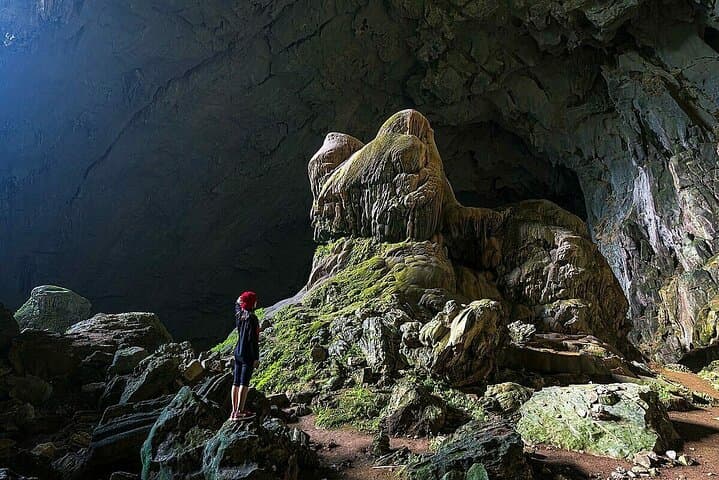
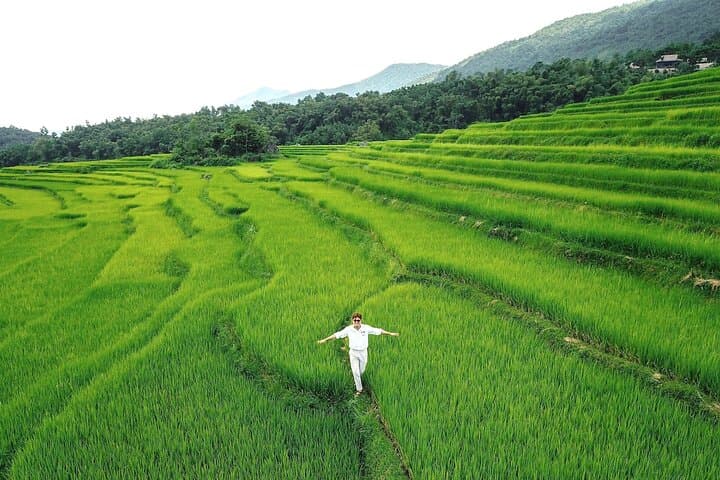
The first steps into Pu Luong feel like entering a living map. Narrow trails thread between terraces that cling to the hillsides, water sluices glinting like veins in the fields. The air here is damp with rice and soil; bamboo groves lean in as if to watch you pass. On day one you cross ridgelines toward Kho Muong Village, where stilt houses peek out from banana leaves and local children wave from narrow lanes. By afternoon the forest hushes and a limestone cave opens in cool shadow — a brief, damp cathedral before you return to the eco-lodge for a garden-to-table meal.
Verified experiences and guided adventures in the surrounding area.
Operated by Insight Vietnam · Pu Luong, Thanh Hóa Province
The first steps into Pu Luong feel like entering a living map. Narrow trails thread between terraces that cling to the hillsides, water sluices glinting like veins in the fields. The air here is damp with rice and soil; bamboo groves lean in as if to watch you pass. On day one you cross ridgelines toward Kho Muong Village, where stilt houses peek out from banana leaves and local children wave from narrow lanes. By afternoon the forest hushes and a limestone cave opens in cool shadow — a brief, damp cathedral before you return to the eco-lodge for a garden-to-table meal.
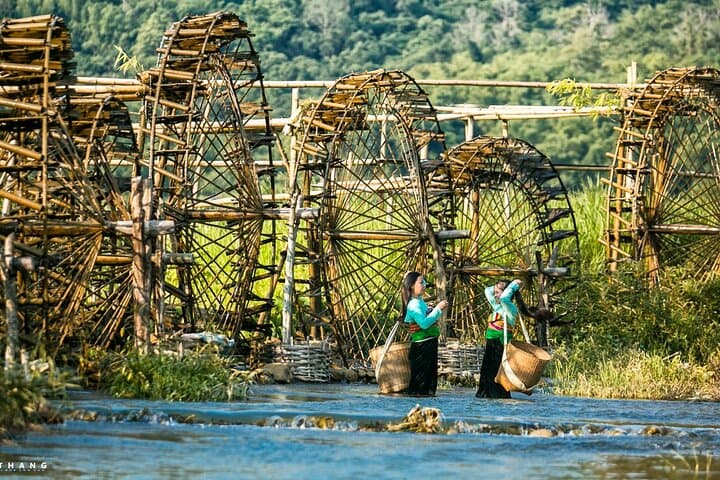
Pu Luong sits on the edge of the northern Annamite Range in Thanh Hóa Province, its topography carved by limestone scarps and terraced agriculture that the Thai ethnic minority have managed for generations. Geologically the reserve blends karst formations with mixed evergreen forest, creating pockets of biodiversity and small rivers that harvest the hills. Culturally, this is Thai country: you'll notice the black-stained stilt houses, water wheels that still turn, and a market rhythm (Thursday and Sunday) where goods are swapped in bright bundles.
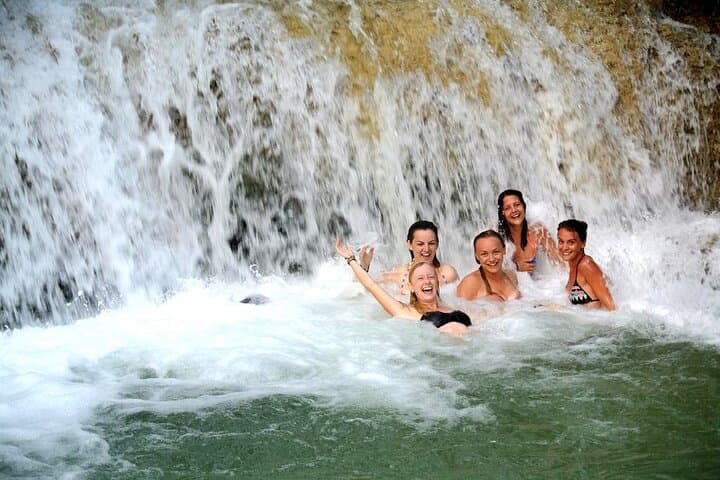
The second morning’s trek follows ridges to Hieu Village and a broad waterfall plunge pool where locals bathe and children leap off low rocks. After a lunch shared with village hosts, the tour slides into a contrasting lowland experience — a bamboo boat along the Cham River. Rowers steer past Ba Village and wooden water wheels, and the current seems to dare you forward, slow and steady.
Practical edge: trails are short but uneven — expect muddy staircases, narrow single-track, and brief, steep pitches. The trek pace is relaxed (suitable for most hikers), but bring solid footwear and a light rain layer; weather turns quickly in the mountains. Accommodation is an eco-lodge with simple rooms and local meals; staying overnight supports village businesses and conserves forests when done responsibly.
Best seasons are post-harvest and harvest—late summer through autumn—for golden terraces, or the misty cool of winter for atmospheric shots. Avoid heavy monsoon weeks when trails become slippery and caves unsafe. Guides are English-speaking and handle logistics, including pickup from Pu Luong; the itinerary is tightly scheduled to return you to Hanoi by late afternoon on day two.
This tour delivers two satisfying contrasts: a highland trek through living rice landscapes and an intimate river passage by bamboo boat. It’s small-scale cultural tourism with practical footing — come ready to walk, listen, and learn from a place where people still read the landscape in seasons.
moderate.
2 days (approx. 48 hours).
Suitable for travelers who can walk 3–5 hours over uneven terrain and short steep sections; not technical.
Pickup is arranged from Pu Luong accommodations; confirm your exact hotel pickup point when booking—departure typically starts around midday on day one.
Trekking is classified as moderate: several hours of walking over uneven, sometimes steep trails, but the pace is relaxed and suitable for most active travelers.
One night at an eco-lodge (Pu Luong Eco Garden or similar) with basic, clean rooms and local meals included.
Yes—two lunches, one dinner, and one breakfast are included, with at least one ‘garden-to-table’ meal prepared by the Thai ethnic community.
Yes—cave visits depend on weather and guest preference; if conditions are unsafe your guide will adjust the itinerary.
Yes. Travel insurance that covers medical evacuation, trip interruption, and activity-specific incidents is recommended.
The Thai ethnic group has farmed Pu Luong’s steep slopes for generations, carving terraces and developing irrigation systems and wooden water wheels still used today.
Pu Luong Nature Reserve protects mixed evergreen forest and karst habitats; choose registered guides, avoid single-use plastics, and stay on trails to reduce erosion and disturbance.
Insight Vietnam operates guided outdoor trips and adventures with an emphasis on safety, stewardship, and memorable experiences.
The first steps into Pu Luong feel like entering a living map. Narrow trails thread between terraces that cling to the hillsides, water sluices glinting like veins in the fields. The air here is damp with rice and soil; bamboo groves lean in as if to watch you pass. On day one you cross ridgelines toward Kho Muong Village, where stilt houses peek out from banana leaves and local children wave from narrow lanes. By afternoon the forest hushes and a limestone cave opens in cool shadow — a brief, damp cathedral before you return to the eco-lodge for a garden-to-table meal.
The first steps into Pu Luong feel like entering a living map. Narrow trails thread between terraces that cling to the hillsides, water sluices glinting like veins in the fields. The air here is damp with rice and soil; bamboo groves lean in as if to watch you pass. On day one you cross ridgelines toward Kho Muong Village, where stilt houses peek out from banana leaves and local children wave from narrow lanes. By afternoon the forest hushes and a limestone cave opens in cool shadow — a brief, damp cathedral before you return to the eco-lodge for a garden-to-table meal.
Pu Luong sits on the edge of the northern Annamite Range in Thanh Hóa Province, its topography carved by limestone scarps and terraced agriculture that the Thai ethnic minority have managed for generations. Geologically the reserve blends karst formations with mixed evergreen forest, creating pockets of biodiversity and small rivers that harvest the hills. Culturally, this is Thai country: you'll notice the black-stained stilt houses, water wheels that still turn, and a market rhythm (Thursday and Sunday) where goods are swapped in bright bundles.
The second morning’s trek follows ridges to Hieu Village and a broad waterfall plunge pool where locals bathe and children leap off low rocks. After a lunch shared with village hosts, the tour slides into a contrasting lowland experience — a bamboo boat along the Cham River. Rowers steer past Ba Village and wooden water wheels, and the current seems to dare you forward, slow and steady.
Practical edge: trails are short but uneven — expect muddy staircases, narrow single-track, and brief, steep pitches. The trek pace is relaxed (suitable for most hikers), but bring solid footwear and a light rain layer; weather turns quickly in the mountains. Accommodation is an eco-lodge with simple rooms and local meals; staying overnight supports village businesses and conserves forests when done responsibly.
Best seasons are post-harvest and harvest—late summer through autumn—for golden terraces, or the misty cool of winter for atmospheric shots. Avoid heavy monsoon weeks when trails become slippery and caves unsafe. Guides are English-speaking and handle logistics, including pickup from Pu Luong; the itinerary is tightly scheduled to return you to Hanoi by late afternoon on day two.
This tour delivers two satisfying contrasts: a highland trek through living rice landscapes and an intimate river passage by bamboo boat. It’s small-scale cultural tourism with practical footing — come ready to walk, listen, and learn from a place where people still read the landscape in seasons.