THE ADVENTURE COLLECTIVE® · Independent discovery and booking for outdoor travel

Spend a private day moving from Zagreb to Split with a focused visit to Plitvice Lakes and a stop in historic Rastoke. This fully private tour combines guided park access, a Kozjak boat ride, and customizable pickup or drop-off.
Spend a private day moving from Zagreb to Split with a focused visit to Plitvice Lakes and a stop in historic Rastoke. This fully private tour combines guided park access, a Kozjak boat ride, and customizable pickup or drop-off.
You wake before dawn in Zagreb, the city easing its streetlights into the low gray. The drive south pulls you through folded limestone ridges and villages still rinsing coffee rings from the night. By midmorning the road drops into a green bowl where water insists on movement — the Plitvice Lakes National Park — and the world reduced to the sound of falling water and wooden planks underfoot.
Verified experiences and guided adventures in the surrounding area.
Operated by VIATICA TRAVEL d.o.o. · Plitvička Jezera, Lika-Senj County
You wake before dawn in Zagreb, the city easing its streetlights into the low gray. The drive south pulls you through folded limestone ridges and villages still rinsing coffee rings from the night. By midmorning the road drops into a green bowl where water insists on movement — the Plitvice Lakes National Park — and the world reduced to the sound of falling water and wooden planks underfoot.
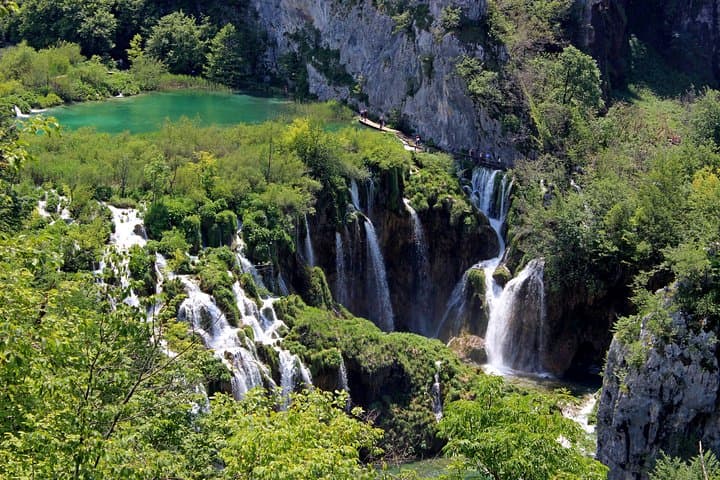
Plitvice sits on molten history: glacial and karst processes over millennia carved a stair-step of 16 terraced lakes joined by a series of waterfalls. Designated a UNESCO World Heritage Site, the park is both geological laboratory and choreography of water and travertine. Your private tour guide times the visit to show the park’s best waterfalls and to fit the compulsory short boat crossing of Kozjak Lake, a quiet blue interruption between thundering falls.
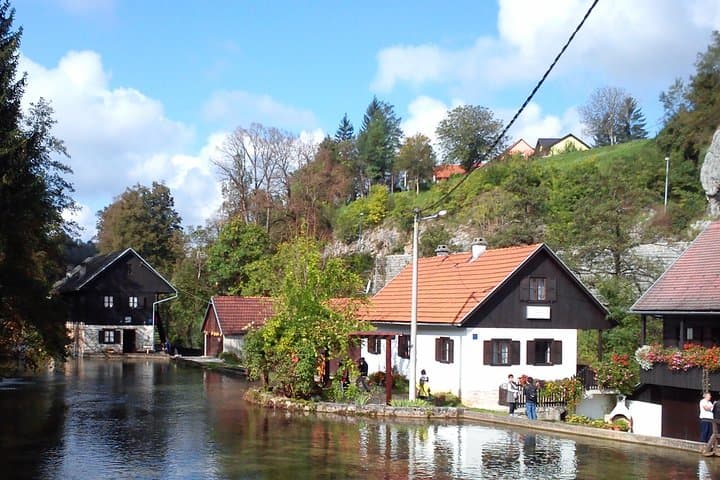
The morning begins with a pause at Rastoke, a village known locally as Little Plitvice. Here, centuries-old watermills channel streams into wooden troughs; people shaped the flow and, in doing so, created a human counterpoint to the park’s raw geomorphology. On the way you'll pass Lika’s patchwork fields and the occasional shepherd dog that regards you like a gatekeeper.
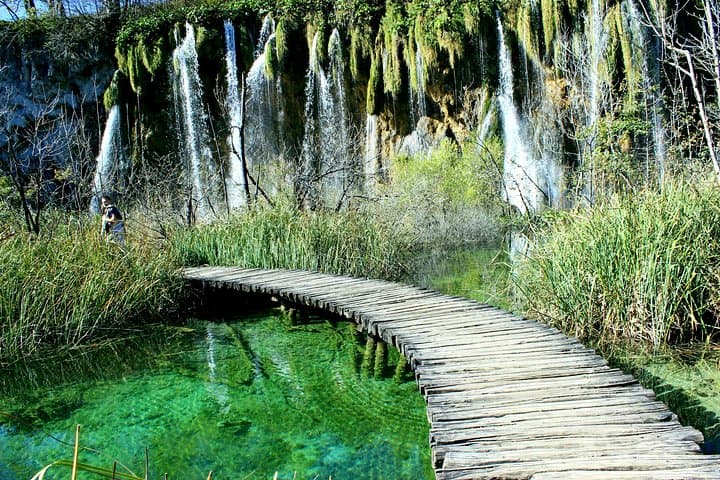
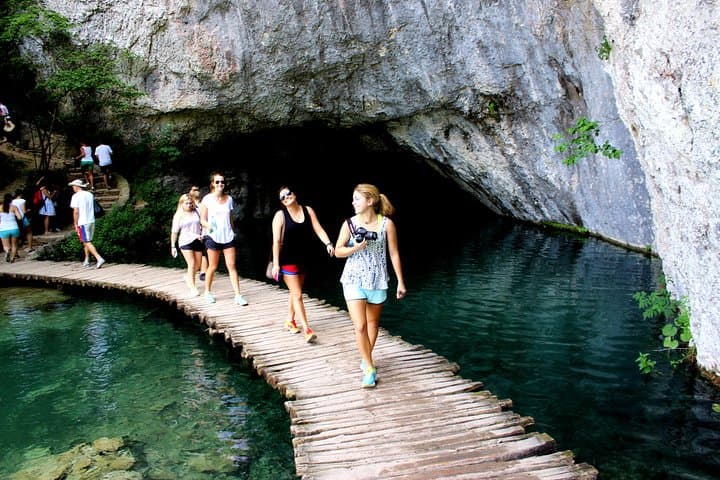
Inside the park you’ll cover the main waterfalls in roughly three hours — expect 4–6 kilometers of boardwalks and marked trails with intermittent stone steps and gentle elevation change of about 100–200 meters. The route alternates between exposed viewpoints where the falls command attention and shaded corridors of beech and fir where the air feels washed clean. Spring brings turquoise surges; summer makes the lakes gleam; autumn paints the forest; winter locks many wooden paths in frost, altering access.
Practical planning is the tour’s strength: private transport, an experienced driver-guide, and a scheduled boat ride make an efficient day out of a dispersed landscape. Tours run 7–9 hours door to door from Zagreb and can end in Split for travelers continuing south. Bring sturdy footwear for slippery boardwalks, a waterproof layer, and a small daypack; expect a fair amount of walking at a relaxed but steady pace. Entry fees to Plitvice are season-dependent and not always included, so confirm before you go.
This is not a race; it’s a paced encounter with water that keeps moving, daring you to slow down. A private tour gives you the flexibility to linger at the big falls, thread down lesser viewpoints, or sip coffee in Rastoke while the busloads pass by. For travelers who want to cross a major Croatian natural highlight off their list without managing connections, this curated transfer between cities is practical, vivid, and distinctly local.
moderate.
7–9 hours.
Moderate fitness; able to walk 4–6 km over uneven boardwalks and stairs with short standing periods
Admission is often not included—confirm at booking; ticket prices vary by season and age group.
The typical private-tour plan includes about three hours inside the park to see major falls and a Kozjak boat ride.
Yes, the tour can finish in Split; communicate your preferred drop-off when booking.
Yes—boardwalks are accessible and pace is adjustable, but there is walking and some stairs; notify the operator of mobility needs.
Meals are not typically included; there are café options in and around the park and Rastoke for a coffee or lunch stop.
Guides commonly speak English; request specific language needs when booking to confirm availability.
The area’s mills in Rastoke reflect centuries of human use of watercourses; the park’s lakes formed over thousands of years as water deposited travertine barriers on karst geology.
Plitvice faces pressure from tourism and local development; stay on marked paths, avoid swimming, and follow park rules to minimize erosion and disturbance.
VIATICA TRAVEL d.o.o. operates guided outdoor trips and adventures with an emphasis on safety, stewardship, and memorable experiences.
You wake before dawn in Zagreb, the city easing its streetlights into the low gray. The drive south pulls you through folded limestone ridges and villages still rinsing coffee rings from the night. By midmorning the road drops into a green bowl where water insists on movement — the Plitvice Lakes National Park — and the world reduced to the sound of falling water and wooden planks underfoot.
You wake before dawn in Zagreb, the city easing its streetlights into the low gray. The drive south pulls you through folded limestone ridges and villages still rinsing coffee rings from the night. By midmorning the road drops into a green bowl where water insists on movement — the Plitvice Lakes National Park — and the world reduced to the sound of falling water and wooden planks underfoot.
Plitvice sits on molten history: glacial and karst processes over millennia carved a stair-step of 16 terraced lakes joined by a series of waterfalls. Designated a UNESCO World Heritage Site, the park is both geological laboratory and choreography of water and travertine. Your private tour guide times the visit to show the park’s best waterfalls and to fit the compulsory short boat crossing of Kozjak Lake, a quiet blue interruption between thundering falls.
The morning begins with a pause at Rastoke, a village known locally as Little Plitvice. Here, centuries-old watermills channel streams into wooden troughs; people shaped the flow and, in doing so, created a human counterpoint to the park’s raw geomorphology. On the way you'll pass Lika’s patchwork fields and the occasional shepherd dog that regards you like a gatekeeper.
Inside the park you’ll cover the main waterfalls in roughly three hours — expect 4–6 kilometers of boardwalks and marked trails with intermittent stone steps and gentle elevation change of about 100–200 meters. The route alternates between exposed viewpoints where the falls command attention and shaded corridors of beech and fir where the air feels washed clean. Spring brings turquoise surges; summer makes the lakes gleam; autumn paints the forest; winter locks many wooden paths in frost, altering access.
Practical planning is the tour’s strength: private transport, an experienced driver-guide, and a scheduled boat ride make an efficient day out of a dispersed landscape. Tours run 7–9 hours door to door from Zagreb and can end in Split for travelers continuing south. Bring sturdy footwear for slippery boardwalks, a waterproof layer, and a small daypack; expect a fair amount of walking at a relaxed but steady pace. Entry fees to Plitvice are season-dependent and not always included, so confirm before you go.
This is not a race; it’s a paced encounter with water that keeps moving, daring you to slow down. A private tour gives you the flexibility to linger at the big falls, thread down lesser viewpoints, or sip coffee in Rastoke while the busloads pass by. For travelers who want to cross a major Croatian natural highlight off their list without managing connections, this curated transfer between cities is practical, vivid, and distinctly local.