THE ADVENTURE COLLECTIVE® · Independent discovery and booking for outdoor travel

Walk Korčula’s Old Town with a private guide and discover medieval statutes, a cathedral perched above a fish-bone street plan, and stories of seafarers like Marco Polo. This one-hour tour blends architecture, legend and local color for an efficient, sensory introduction to the island.
Walk Korčula’s Old Town with a private guide and discover medieval statutes, a cathedral perched above a fish-bone street plan, and stories of seafarers like Marco Polo. This one-hour tour blends architecture, legend and local color for an efficient, sensory introduction to the island.
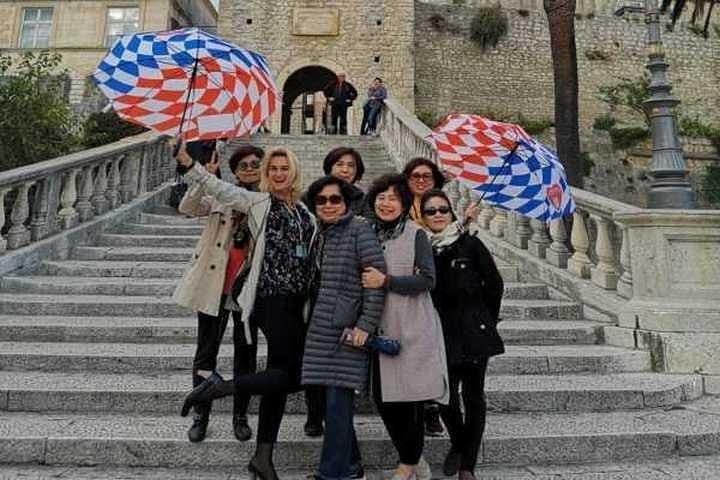
The main gate yaws open and the sea breeze slips through the first alley, carrying the tang of salt and grilled fish. You step across flagstones that have smoothed under centuries of foot traffic and immediately notice the town’s unusual plan: the streets fan from a central spine like a fish bone, alleys angling toward the Adriatic as if the island itself were pointing seaward. A private guide falls into step beside you, voice low against the cathedral bells, and the hour that follows feels both intimate and precise.
Verified experiences and guided adventures in the surrounding area.
Operated by Arko travel · Korčula, Dubrovnik-Neretva
The main gate yaws open and the sea breeze slips through the first alley, carrying the tang of salt and grilled fish. You step across flagstones that have smoothed under centuries of foot traffic and immediately notice the town’s unusual plan: the streets fan from a central spine like a fish bone, alleys angling toward the Adriatic as if the island itself were pointing seaward. A private guide falls into step beside you, voice low against the cathedral bells, and the hour that follows feels both intimate and precise.
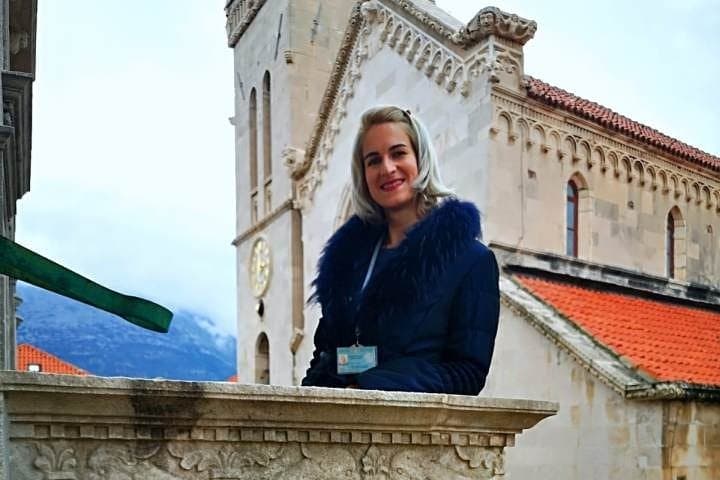
Korčula’s Old Town is compact but layered. Its city statute, first recorded in 1214, marks one of the oldest municipal codes in the region; the walls and gates that survive are chapters in a long civic story of Venetian trade, Venetian law, and island resilience. Stone here is the grammar: pale karst limestone quarried from the island and cut to hold roofs and façades in a warm, reflective light. The Cathedral of St. Mark occupies a high point above the central spine, its façade watching over the town like an attentive elder. Guides will point out the bishop’s residences and the civic buildings that mapped power in a maritime republic.
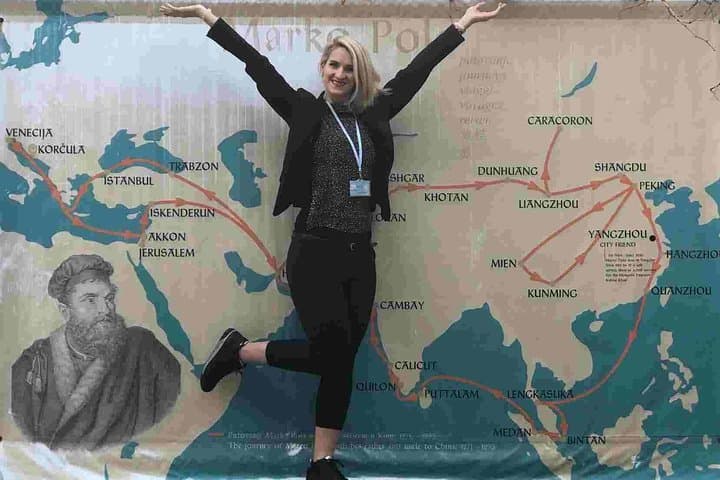
Then there are the stories — including the ever-argued link to Marco Polo. Korčula has long claimed the explorer as a native son; whether the house you see is the authentic one matters less than the way the tale reveals the town’s outward-facing identity: skilled sailors, travelers, traders who read the sea like a map. The Adriatic itself asserts a personality here, at once coaxing and brisk — breezes that chase away midday heat and a sea that edges close enough to make the harbor feel like a private courtyard.
Practicalities are streamlined. The one-hour private tour starts and ends at the Great Revelin gate; it’s accessible for most ages and fitness levels. Guides cover the cathedral, the principal lanes, and small corners where craftspeople and cafés still operate. Footwear matters: the flagstones are uneven and can be slick after rain. If you want fewer crowds, book a morning slot before day boats arrive or late afternoon when the light softens. The tour includes professional guidance; some church interiors may have separate admission. Hotels and the port offer pickup by arrangement, and the route is flexible if you prefer a deeper dive into architecture, wine, or local cuisine.
A private walking tour of Korčula is straightforward and sensory — stone that cools underfoot, a sea that dares you to lean closer, and a guide who threads facts and folklore together. It’s an efficient, revealing hour for travelers who want history paced to human steps, not bus schedules.
easy.
1 hour.
Suitable for most fitness levels; involves standing and walking on uneven pavement.
The private walking tour is one hour long, starting and ending at the Great Revelin gate in Korčula’s Old Town.
Yes—routes are short and the pace is gentle, though the flagstones can be uneven; strollers may be difficult in narrow alleys.
The tour covers exterior history; interior visits may require a separate admission or donation depending on church policy.
Yes—this is a private tour, so guides can tailor the focus to architecture, local food, or Marco Polo stories on request.
Language options depend on guide availability—confirm your preferred language when booking to ensure a suitable guide.
The meeting point is the main gate to the Old Town (Fortress Great Revelin); many hotels and the port offer pickup by arrangement.
Korčula’s city statute dates back to 1214 and the town was long a diocesan seat and strategic maritime hub under Venetian influence.
The Old Town is fragile—use marked paths, avoid touching frescoes, and support local shops to keep traditional crafts viable.
Arko travel operates guided outdoor trips and adventures with an emphasis on safety, stewardship, and memorable experiences.
The main gate yaws open and the sea breeze slips through the first alley, carrying the tang of salt and grilled fish. You step across flagstones that have smoothed under centuries of foot traffic and immediately notice the town’s unusual plan: the streets fan from a central spine like a fish bone, alleys angling toward the Adriatic as if the island itself were pointing seaward. A private guide falls into step beside you, voice low against the cathedral bells, and the hour that follows feels both intimate and precise.
The main gate yaws open and the sea breeze slips through the first alley, carrying the tang of salt and grilled fish. You step across flagstones that have smoothed under centuries of foot traffic and immediately notice the town’s unusual plan: the streets fan from a central spine like a fish bone, alleys angling toward the Adriatic as if the island itself were pointing seaward. A private guide falls into step beside you, voice low against the cathedral bells, and the hour that follows feels both intimate and precise.
Korčula’s Old Town is compact but layered. Its city statute, first recorded in 1214, marks one of the oldest municipal codes in the region; the walls and gates that survive are chapters in a long civic story of Venetian trade, Venetian law, and island resilience. Stone here is the grammar: pale karst limestone quarried from the island and cut to hold roofs and façades in a warm, reflective light. The Cathedral of St. Mark occupies a high point above the central spine, its façade watching over the town like an attentive elder. Guides will point out the bishop’s residences and the civic buildings that mapped power in a maritime republic.
Then there are the stories — including the ever-argued link to Marco Polo. Korčula has long claimed the explorer as a native son; whether the house you see is the authentic one matters less than the way the tale reveals the town’s outward-facing identity: skilled sailors, travelers, traders who read the sea like a map. The Adriatic itself asserts a personality here, at once coaxing and brisk — breezes that chase away midday heat and a sea that edges close enough to make the harbor feel like a private courtyard.
Practicalities are streamlined. The one-hour private tour starts and ends at the Great Revelin gate; it’s accessible for most ages and fitness levels. Guides cover the cathedral, the principal lanes, and small corners where craftspeople and cafés still operate. Footwear matters: the flagstones are uneven and can be slick after rain. If you want fewer crowds, book a morning slot before day boats arrive or late afternoon when the light softens. The tour includes professional guidance; some church interiors may have separate admission. Hotels and the port offer pickup by arrangement, and the route is flexible if you prefer a deeper dive into architecture, wine, or local cuisine.
A private walking tour of Korčula is straightforward and sensory — stone that cools underfoot, a sea that dares you to lean closer, and a guide who threads facts and folklore together. It’s an efficient, revealing hour for travelers who want history paced to human steps, not bus schedules.